
Best Combi Drill for Versatile Drilling and Screwdriving Products online india
Explore our real-time updated product directory index curated for performance, verified star metrics, and historical consumer trust rankings.
Verified Deal Selections
33 Items Indexed






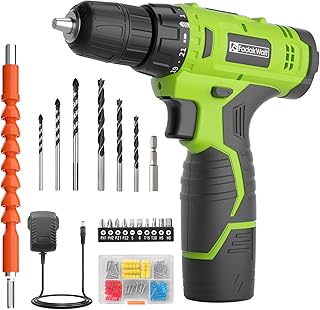


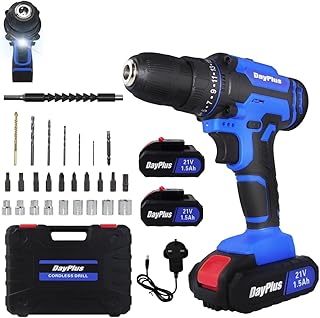


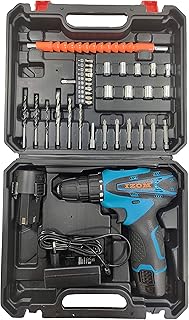


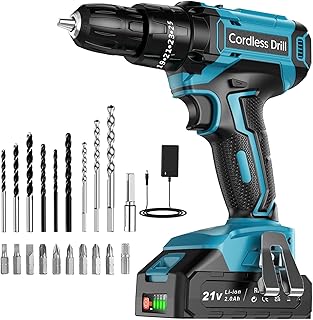

Choose the Right Combi Drill for Your Work
A combi drill combines several useful functions in one compact power tool. Depending on the model, it can handle screwdriving, standard drilling and hammer drilling. This versatility makes it useful for assembling furniture, installing fixtures, making holes in wood and metal, and carrying out suitable masonry work. Before buying, identify the materials you work with most often and select a drill with specifications that match those requirements.
What Is a Combi Drill?
A combi drill is a multi-function drill that normally offers rotary drilling, screwdriving and hammer drilling modes. The hammer function helps the drill work more effectively on suitable masonry surfaces, while standard drilling is useful for materials such as wood and metal. The screwdriving mode gives you greater control when fastening screws.
This combination makes the tool particularly useful when you want one power tool for several common jobs. However, a combi drill is not automatically suitable for every heavy-duty application. For demanding concrete drilling, specialist masonry work or continuous professional use, you should check the manufacturer's specifications and consider whether a dedicated rotary hammer or SDS drill is more appropriate.
Cordless Combi Drill vs Corded Combi Drill
Cordless combi drills are popular because they provide excellent mobility. They are useful for jobs around the home, construction sites, workshops and locations where access to mains electricity is limited. Battery-powered models are commonly available with rechargeable lithium-ion batteries, although battery capacity, charging time and runtime vary between models.
Corded combi drills connect to mains electricity and can be convenient when you need continuous operation without stopping to recharge a battery. They can suit workshop or fixed-location applications where a power socket is readily accessible. Consider your working environment and typical job duration before choosing between cordless and corded operation.
Key Features to Consider Before Buying a Combi Drill
Power and Battery Voltage
For cordless models, battery voltage can provide an indication of the drill's power class, but it should not be the only specification you consider. Look at torque, motor performance and the intended application as well. A compact model may be ideal for light household work, while a higher-performance drill may be better suited to demanding tasks.
Torque Settings
Adjustable torque settings help you control screwdriving force. Lower settings can be useful when working with delicate materials, while higher settings can help with larger fasteners and more demanding applications. Multiple torque positions can make the tool more adaptable to different jobs.
Speed Control
Variable speed control allows you to adjust drilling and screwdriving performance according to the material and task. Two-speed gearboxes are also common on versatile drills, offering a lower-speed range for controlled fastening and a higher-speed range for drilling applications.
Chuck Size and Compatibility
The chuck holds drill bits and other compatible accessories. A common chuck size for general-purpose combi drills is 13 mm, although compact models may use smaller chucks. Check the chuck specification and accessory compatibility before purchasing.
Hammer Action
Hammer action provides rapid forward impacts while the chuck rotates. This feature can help with suitable brickwork and masonry applications. Always check the product specifications for recommended materials and limitations before using hammer mode.
Combi Drills for Home and DIY Projects
A combi drill can be a practical addition to a home toolbox. You can use it for assembling furniture, mounting shelves, installing brackets, fixing hardware and carrying out general maintenance. A cordless model can be particularly convenient for moving between rooms or working outdoors.
For occasional DIY work, prioritise comfortable handling, simple controls, adequate battery capacity and useful accessories. You may not need the highest power rating if your typical jobs involve small fasteners and light drilling.
Combi Drills for Professional Applications
Professionals often need tools that can withstand frequent use. If you use a combi drill regularly, pay attention to build quality, motor performance, battery system, torque, ergonomics and availability of replacement batteries or compatible accessories. A comfortable grip and balanced design can also reduce fatigue during longer jobs.
How to Select a Combi Drill in India
Start by defining your primary applications. If you mainly assemble furniture and drive screws, a compact cordless model may be sufficient. If you regularly drill wood, metal and suitable masonry, choose a more versatile model with appropriate speed control and hammer action.
Also consider the complete package rather than focusing only on the drill price. A kit may include batteries, a charger, carrying case and accessories. Comparing the included equipment can help you determine the overall value of different options.
Safe and Effective Combi Drill Use
Always select the correct bit for the material and secure it properly in the chuck. Wear suitable eye protection and follow the tool manufacturer's operating instructions. Keep hands away from rotating components and disconnect or remove the battery before changing accessories when required by the tool design.
When drilling into walls, check the work area for hidden electrical cables, plumbing and other services. Use the correct drill mode and speed for the material, and avoid forcing the tool beyond its specified capability.
Find a Combi Drill That Matches Your Needs
The best combi drill depends on how and where you plan to use it. For household tasks, portability and ease of handling may be most important. For regular trade work, power, torque, battery performance and durability may have greater importance. Compare the available specifications carefully and choose a model that suits your materials, workload and working environment.
Introduction
A combi drill is a versatile power tool designed for drilling, screwdriving and, on suitable models, hammer drilling into masonry. For Indian homeowners, DIY users, tradespeople and professionals, a combi drill can provide a practical all-in-one solution for everyday fastening and drilling tasks. Instead of keeping separate tools for different applications, you can choose a suitable combi drill based on the material, workload and level of performance you need.When choosing a combi drill in India, consider factors such as power, battery voltage, torque, speed settings, chuck size, hammer action, ergonomics and included accessories. Cordless models offer freedom of movement, while corded options can provide continuous operation where a mains power supply is available.
Frequently Asked Questions
What is a combi drill used for?
A combi drill is designed for multiple applications, commonly including screwdriving, standard drilling and hammer drilling on suitable masonry. It can be useful for DIY, home maintenance, furniture assembly and professional tasks.
Is a cordless combi drill better than a corded model?
It depends on your application. Cordless models provide greater portability and flexibility, while corded models can provide continuous operation when mains power is available. Choose according to your workspace and typical workload.
Can a combi drill drill into concrete?
Some combi drills can handle suitable masonry, but not every model is designed for heavy concrete drilling. Check the manufacturer's specifications and use a dedicated rotary hammer or SDS drill when the application requires it.
What battery voltage should I choose for a combi drill?
The right battery voltage depends on the type of work you perform. Compact lower-voltage models can suit lighter DIY tasks, while higher-voltage systems may provide more power for demanding applications. Also compare torque, motor performance and battery capacity.
What should I check before buying a combi drill in India?
Consider the drill's power, torque, speed settings, chuck size, hammer function, battery capacity for cordless models, ergonomics, accessories and intended applications. Checking these factors helps you choose a tool suited to your actual workload.
Can a combi drill be used as a screwdriver?
Yes. Combi drills normally include adjustable torque settings and a screwdriving mode, allowing them to drive compatible screws. Use the appropriate bit and torque setting for the fastener and material.
Are combi drills suitable for DIY projects?
Yes. A combi drill can be useful for many DIY tasks, including furniture assembly, installing shelves, drilling holes and fastening screws. Select a model based on the materials and frequency of your projects.
Frequently Asked Questions (FAQ)
❓ How are these Combi Drill for Versatile Drilling and Screwdriving options ranked?
Our custom data engine continuously scans product entries to verify high-performing items that carry a consistent rating above 4.2 stars, filtering out unreliable listings or items with artificial review jumps.
❓ Does clicking outbound links increase my checkout price?
Absolutely not. All generated product buttons use standard, secure commercial tracking tags. The item cost values reflect the official live marketplace catalog pricing identically.
❓ How often are the pricing deals updated on this page?
Our data tables utilize automated cache transients refreshed continuously throughout the week to fetch the freshest inventory nodes, live pricing metrics, and tracking structures.
❓ Are these products backed by standard consumer warranties?
Yes. Because our directory routes you directly to the verified official listing pages on Amazon, your purchases qualify for complete merchant protections, returns, and original brand manufacturing warranties.