

♥ Wishlist
Compare 59 verified Baby Clothing and Shoes products in India. Reviews, ratings, pros, cons and buying advice updated for October 2026.


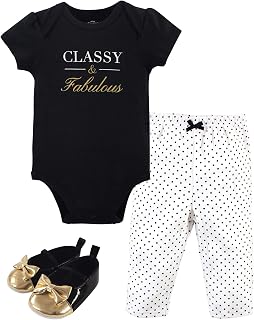


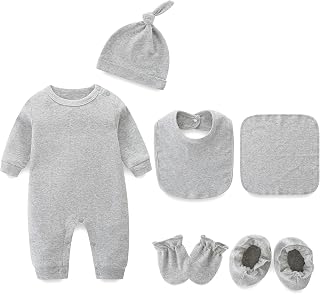


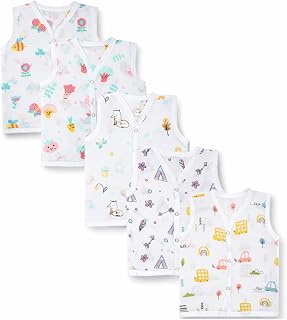


Finding good-value baby clothing and shoes in India is less about choosing the cheapest item and more about balancing comfort, fabric quality, fit, durability, practicality and price. Babies grow quickly, so an inexpensive garment that becomes uncomfortable after a few wears may offer less value than a slightly better-made option that remains useful through more of the season.
This buying guide is designed for parents, grandparents and gift buyers comparing baby clothes, infant footwear and everyday essentials in the Indian market. The right choice can vary considerably depending on a baby's age, growth rate, climate, daily routine and whether the item is intended for home use, outings, sleep, travel or special occasions.
Value should be assessed across the complete ownership period rather than by looking only at the purchase price. A low-priced product can become poor value if the material is uncomfortable, sizing is inconsistent, fasteners are inconvenient or the item cannot withstand ordinary washing.
Instead of judging every baby product using exactly the same criteria, compare items according to their intended purpose. A newborn bodysuit, toddler sandal and winter jacket have very different requirements.
Bodysuits are among the most practical baby clothing purchases because they can be worn alone in suitable weather or layered underneath other clothing. Look for comfortable neck openings, secure but easy-to-use fasteners and enough room around the torso and legs for normal movement.
For Indian conditions, lightweight breathable options can be particularly useful during warmer months. Parents should also consider how frequently the garment will need to be changed because feeding, spills and diaper changes can make several simple everyday pieces more useful than a small collection of elaborate outfits.
Rompers and sleepsuits can simplify dressing by combining several clothing functions into one garment. For younger babies, designs with convenient access around the diaper area can save time during changes.
When shopping online, pay close attention to the manufacturer's measurement chart rather than relying solely on age labels such as 0–3 months or 6–12 months. Babies of the same age can have substantially different body proportions.
Baby tops are useful as standalone garments and as layering pieces. When comparing them, examine neckline construction, sleeve length, fabric weight and the amount of stretch. A top that looks attractive but is difficult to pull over a baby's head may be less practical for frequent use.
Look for flexible waistbands and designs that allow unrestricted leg movement. Soft jogger-style bottoms, leggings and lightweight cotton trousers can serve different purposes depending on the season and activity.
Avoid choosing bottoms purely by waist size. Check the full measurement information, including length and intended age or height range, because babies and toddlers can vary considerably in proportions.
For cooler parts of India and winter travel, layering can be more versatile than purchasing a single very heavy garment. A lightweight base layer combined with a suitable outer layer allows parents to adjust clothing as temperatures change.
Check whether the garment is easy to put on, whether the sleeves allow natural movement and whether the material is appropriate for the expected indoor and outdoor temperature. For babies, comfort and ease of dressing should generally take priority over decorative details.
Socks are inexpensive but easy to overlook when comparing value. Look for a comfortable fit that stays in place without leaving pronounced pressure marks. Buying several practical pairs can make more sense than paying substantially more for elaborate designs that receive little use.
For babies who are not yet walking independently, footwear requirements differ from those of toddlers. The primary considerations are appropriate fit, flexibility, lightweight construction and comfort. Parents should avoid assuming that a visually attractive shoe is automatically appropriate for a baby's stage of development.
Once a child begins walking, fit becomes particularly important. The shoe should provide sufficient space without allowing excessive movement inside the footwear. Examine the sole, upper material, opening, fastening mechanism and overall flexibility.
Measure both feet when possible because one foot can be slightly larger than the other. Choose the size according to the manufacturer's measurement guidance rather than simply selecting the same size purchased previously.
Sandals can be useful in warm Indian weather, particularly for older babies and toddlers who are walking. Consider secure fastening, foot coverage, flexibility and whether the design is appropriate for the surface where it will be used.
Open footwear should not be selected solely because it appears cooler. The child's activity level and walking ability also matter when deciding between sandals, closed shoes and other footwear styles.
Traditional and occasion-specific baby clothing can be appealing for festivals, family celebrations and photographs. However, value depends heavily on expected usage. If an outfit is likely to be worn only once, compare the total cost with simpler clothing that can be reused for multiple occasions.
When buying festive clothing for infants, inspect the inside of the garment as carefully as the outside. Decorative elements, stiff fabrics, rough seams and complicated closures can reduce comfort even when the overall appearance is attractive.
Fabric choice has a major effect on comfort, particularly in India's varied climate. There is no single material that is ideal for every baby, season or situation.
Cotton is widely used in baby clothing because it can be comfortable for everyday wear and is available in many weights and constructions. Lightweight cotton can work well for warm conditions, while thicker cotton garments can be useful as part of a layered wardrobe.
Organic cotton refers to cotton produced under particular agricultural standards. Parents considering it should still inspect the finished garment's construction, softness, care instructions and fit. The word “organic” alone does not tell you whether a particular garment will be more comfortable or durable.
Muslin is commonly associated with lightweight baby textiles and can be useful where breathability and a light feel are priorities. Different muslin fabrics can vary substantially in weave and thickness, so product descriptions and photographs should be examined carefully.
Warmer fabrics can be useful during cold weather, especially in northern parts of India and for winter travel. Consider layering rather than automatically choosing the thickest available option, particularly when a baby moves between heated or enclosed indoor spaces and cooler outdoor environments.
In hot and humid conditions, prioritise lightweight clothing, comfortable fits and breathable fabrics. Loose but secure clothing can help avoid unnecessary restriction, while simple designs may make frequent changes easier.
During the monsoon, frequent washing and drying conditions should influence purchasing decisions. A practical wardrobe can include several easy-care everyday garments rather than relying heavily on a few delicate pieces.
Parents should also consider the drying environment available at home. Fabrics that require specialised care may be inconvenient when clothes need to be washed frequently.
Cooler northern regions can require substantially different clothing from warm coastal areas. Layering provides flexibility because temperatures can change throughout the day. Useful layers can include comfortable base garments, sweaters, jackets, socks and suitable head coverings where appropriate.
In warmer climates, lightweight clothing can be useful for much of the year. Rather than buying a large number of heavy garments, parents may obtain greater practical value from versatile everyday pieces that can be combined as required.
One of the most common online-shopping mistakes is treating an age label as an exact measurement. “0–3 months,” “3–6 months” and similar labels are useful starting points but should not replace measurements when a size chart is available.
Footwear requires particular care because incorrect sizing can make a shoe uncomfortable and may affect how a child moves. Online shoppers should use the size information supplied by the footwear manufacturer whenever possible.
Do not select children's footwear solely by copying the size of another brand. Sizing systems and shoe shapes can vary between manufacturers.
Flexibility is an important feature to examine in footwear intended for young children. A very rigid shoe may not provide the same feel or movement as a more flexible design. The appropriate construction depends on the child's age, mobility and intended use.
Hook-and-loop closures can be convenient for parents, while elastic openings may make some shoes easier to put on. Laces can provide adjustability but may be less convenient for very young children. Choose based on the child's age and the amount of supervision provided.
Inspect the shape and structure around the heel and ankle. The shoe should stay appropriately positioned without causing visible pressure or discomfort.
Children need adequate room for their toes. A shoe that is technically the correct length but too narrow can still be unsuitable. Look at available width information where the manufacturer provides it.
The lowest purchase price is not always the best value. A more useful comparison considers price, expected frequency of use, construction quality, comfort, care requirements and how quickly the child is likely to outgrow the item.
Brand familiarity can help shoppers create a shortlist, but it should not replace product-level evaluation. Depending on the category, Indian shoppers may encounter brands such as FirstCry, Mothercare, H&M, Marks & Spencer, Carter's, Puma and adidas. Availability, sizing, product construction and pricing can vary by item, so compare the specific product rather than assuming every product from a brand has identical characteristics.
For value shopping, it can also be useful to compare established brands against lesser-known manufacturers with strong product specifications and a substantial body of genuine customer feedback. A familiar logo does not automatically make one product a better purchase than another.
Product descriptions often contain more useful information than the marketing headline. Before adding an item to a shortlist, check the complete specification information available on the retailer or manufacturer's product page.
Customer reviews can provide useful information, but they should be interpreted carefully. A high star rating does not guarantee that a product will suit every baby.
Look for recurring comments rather than relying on a single review. Repeated observations about sizing, fabric feel, colour differences, stitching, durability or ease of washing may be more informative than isolated praise.
Babies can outgrow clothing quickly. Purchasing large quantities of a single size can result in unused garments. A balanced wardrobe across current and near-future sizes can be more practical.
Decorative elements can make an outfit attractive, but they should not outweigh comfort, fabric suitability and ease of dressing.
A garment that requires complicated care may be inconvenient for daily baby use. Always check washing instructions before buying several pieces.
Age ranges are approximate. Whenever possible, compare actual measurements with the manufacturer's size chart.
Footwear fit can vary considerably between brands and models. Measure the child's feet instead of assuming that the previous shoe size will fit the next pair.
A winter garment that works well in a cold region may be unnecessary in a hot climate. Likewise, very lightweight clothing may be inadequate for genuinely cold conditions. Match purchases to local weather and the child's daily routine.
A practical wardrobe does not need to contain dozens of different styles. Prioritise frequently used essentials first, then add seasonal and occasion-specific items according to actual needs.
Shopping requirements change rapidly during the first few years. Newborn clothing generally needs to prioritise easy dressing, soft materials and convenient access for frequent changes. Toddlers require more emphasis on freedom of movement, durability and clothing that can cope with active daily use.
Footwear requirements also change. A non-walking infant has different needs from a child who regularly walks outdoors. Parents should therefore avoid purchasing footwear simply because it looks similar to an adult shoe.
When two products appear similar, use a consistent comparison method rather than choosing whichever has the more attractive photograph.
Paying more can make sense when the additional cost corresponds to a feature that matters to your specific situation. For example, a parent who washes an item frequently may place greater value on construction and easy care, while a family buying one special-occasion outfit may prioritise design and comfort.
However, price should not be used as a shortcut for quality. Compare the actual specifications, fit information, materials, construction and customer feedback before deciding whether a premium product offers meaningful additional value.
Care labels exist because fabrics and construction can respond differently to washing, drying and ironing. Following the stated instructions can help preserve the garment's shape and appearance.
Many parents prefer to wash newly purchased baby clothing before the first wear. Follow the garment's care instructions and use a washing routine suitable for the material.
Baby clothing experiences frequent handling and washing. Check buttons, snaps, seams, elastic and decorative components periodically and stop using any item that develops a damaged or potentially unsafe component.
Allow shoes to dry appropriately after use and follow the manufacturer's cleaning instructions. Avoid treating all footwear materials in the same way because leather, synthetic materials, mesh and textile uppers can require different care.
Baby products deserve additional attention to construction and age suitability. Examine garments for loose or damaged components before use and follow manufacturer guidance regarding intended age and use.
Prices and promotions can change frequently, so shoppers should compare the current price with comparable products instead of assuming that a discount automatically represents a bargain.
Multipacks can offer practical value when the garments are basic items that a baby will wear frequently. They are particularly useful for parents who want several similar pieces for routine changes.
Individual purchases can make more sense when you need a specific size, colour, fabric weight or occasion-specific design. Compare the cost per usable item rather than assuming that a multipack is always the better deal.
Gift buyers often do not know a baby's exact measurements. In that situation, practical basics or clothing with flexible sizing can be safer choices than highly fitted items. Consider the season in which the clothing will be used and avoid buying too many pieces that may be outgrown before they are needed.
For gifts, simple designs and versatile colours can increase the likelihood that parents will use the item regularly. If buying footwear, obtaining the child's current measurements and preferred brand sizing information is especially useful.
Indian shoppers have access to a wide range of domestic and international baby brands through online marketplaces and specialist retailers. Product listings can change during the year, including prices, sizes, colour options, seller information and promotional offers.
For that reason, a useful buying guide should be treated as a framework for evaluating the current product listing rather than a guarantee that a particular price, discount, rating or stock status will remain unchanged. Always verify the live product information before placing an order.
For everyday use, practical clothing made from comfortable, seasonally appropriate materials is generally the easiest choice. Lightweight breathable garments can be useful in warm weather, while layered clothing is more adaptable during cooler periods.
Cotton can be a practical choice for many everyday baby garments, particularly when the fabric weight and construction suit the climate. Always check the actual fabric composition and care instructions rather than assuming that every cotton garment has the same characteristics.
The appropriate quantity depends on how frequently the baby needs changes, how often laundry is done, the season and how quickly the child is growing. A smaller collection of frequently used essentials can be more economical than purchasing a large wardrobe in one size.
Avoid choosing footwear simply by buying a substantially larger size. Excessive space can affect how a shoe stays on the foot and may be inconvenient for a walking child. Use the manufacturer's sizing guidance and the child's current foot measurements.
The answer depends on whether the baby is pre-walking, beginning to walk or already walking regularly. For a child who is not yet walking, footwear requirements differ from those of an active toddler. Choose according to developmental stage, fit, comfort and intended use.
Not necessarily. Higher prices can sometimes correspond to particular materials, construction details or design features, but price alone does not establish quality. Compare specifications, fit, care requirements and customer feedback before paying more.
A recognised brand can provide useful consistency and product information, but the specific item still needs to be evaluated. Compare the exact garment's material, sizing, construction, care instructions and current price with competing products.
Focus on the size chart, fabric composition, garment construction, care instructions, customer feedback and return or exchange terms. Product photographs can help, but specifications and measurements are usually more useful for making a purchase decision.
Measure the child where practical and compare those measurements with the exact manufacturer's size chart. Do not assume that a particular age label represents the same fit across different brands.
Compare footwear using fit, measured foot length, walking stage, flexibility, fastening, materials, customer feedback and current price. A low purchase price is not meaningful if the shoe does not fit correctly or is unsuitable for the child's intended use.
Ratings are useful as one signal, but they should not be the only deciding factor. Read individual reviews for recurring information about fit, materials, durability, comfort and real-world use.
The best value baby clothing and shoes in India are not necessarily the products with the lowest price or the highest rating. Strong buying decisions come from matching the product to the child's current size, developmental stage, climate and daily routine while considering materials, construction, care requirements and expected frequency of use.
Before purchasing, compare several similar products and read the complete specifications. For clothing, give particular attention to fabric, sizing and ease of dressing. For shoes, measure both feet and follow the exact manufacturer's size chart. For every purchase, verify the current product details, price, availability, seller information and applicable return or exchange terms at the time of ordering.
Brands such as FirstCry, Mothercare, H&M, Marks & Spencer, Carter's, Puma and adidas can be useful starting points for comparison, but the strongest value decision should ultimately be based on the specific product rather than the brand name alone.