

♥ Wishlist
Compare 56 verified Smart Home Tech for Connected Living in India products in India. Reviews, ratings, pros, cons and buying advice updated for October 2026.


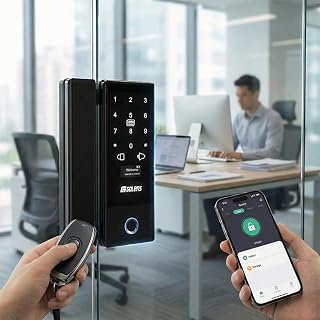


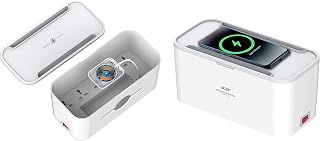


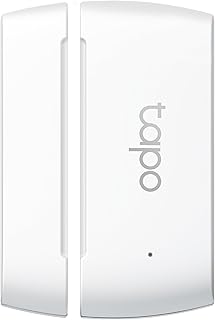


Smart home technology in India has moved beyond premium luxury products and is now accessible to everyday households looking for convenience, security, energy savings and better control over daily routines. From smart speakers and lighting solutions to security cameras, smart plugs and connected appliances, the right devices can improve how homes function without requiring a complete renovation.
This independent buying guide explores the best value smart home tech options for Indian consumers in 2026. Instead of focusing only on expensive flagship products, the selection approach considers practical features, compatibility, reliability, ease of installation, long-term usefulness and overall value for money.
Buying smart home devices requires more consideration than simply selecting the product with the highest number of features. A useful smart device should solve a real household problem while remaining simple enough for everyday use.
The smart home market includes many different product categories. Understanding where each device provides the most benefit helps buyers spend wisely.
Smart speakers are often the starting point for building a connected home. They allow users to control compatible devices through voice commands, set reminders, play music, check weather updates and create simple automation routines.
Popular options include Amazon Echo devices and Google Nest products. Buyers should compare sound quality, microphone performance, language support, smart home compatibility and pricing before selecting a model.
Smart bulbs and lighting systems are among the easiest upgrades for Indian homes. They allow users to adjust brightness, change colours, schedule operation and create different lighting moods.
Brands such as Philips Hue, Wipro, Syska and TP-Link offer smart lighting options across different budgets. When comparing smart lights, consider brightness levels, colour accuracy, energy efficiency, app features and whether a hub is required.
Smart plugs provide an affordable way to convert traditional appliances into connected devices. They are useful for controlling lamps, chargers, kitchen appliances and entertainment equipment remotely.
Important buying factors include maximum power rating, safety certifications, overheating protection, scheduling features and compatibility with voice assistants.
Home security cameras have become increasingly popular among Indian households. They provide remote monitoring, motion alerts and visibility when family members are away.
Before purchasing a security camera, compare:
Brands such as TP-Link Tapo, Xiaomi, EZVIZ and Realme offer various camera solutions suitable for different household requirements.
Smart doorbells combine traditional doorbell functions with connected security features. They can provide visitor notifications, video monitoring and remote communication.
When evaluating smart doorbells, consider installation requirements, weather resistance, camera quality, subscription requirements and integration with existing smart home systems.
Modern appliances increasingly include smart controls and automation features. Smart air conditioners, washing machines, robotic vacuum cleaners and kitchen appliances can improve convenience when their connected features provide genuine daily benefits.
Brands including LG, Samsung, Xiaomi, Haier and others offer connected appliances across multiple categories. Buyers should compare core appliance performance first and treat smart features as an additional advantage rather than the only reason to purchase.
A complete smart home setup does not need to be purchased at once. A gradual approach often provides better value.
For beginners, starting with a smart speaker, a few smart bulbs and one or two smart plugs can provide noticeable improvements without a large investment.
A more advanced setup may include security cameras, multiple lighting zones, automation routines and connected appliances. This approach provides a balance between convenience and cost.
Premium users may consider advanced security systems, integrated entertainment solutions, smart climate control and whole-home automation platforms.
Consumers researching smart home technology can compare products from established brands including Amazon, Google, Philips, TP-Link, Xiaomi, Samsung, LG, Wipro, Syska, Realme and other recognised manufacturers.
Brand reputation, after-sales support, software updates, ecosystem compatibility and product availability should all be considered alongside specifications.
The best option depends on individual needs, budget and existing devices. Some households may benefit most from smart lighting, while others may prioritise security cameras, smart speakers or connected appliances.
Smart home devices can provide meaningful benefits when they solve everyday problems. Products that improve convenience, security or energy management generally offer better long-term value.
No. Compatibility varies between ecosystems and manufacturers. Checking platform support before purchasing helps avoid connection problems later.
Beginners often find smart speakers, smart bulbs and smart plugs easier to install and understand before expanding into more advanced automation systems.
Smart technology changes quickly, so product comparisons should be reviewed regularly throughout 2026 to reflect new features, improved devices and changing consumer needs.
The best value smart home technology is not always the most expensive or feature-packed option. Indian buyers should focus on reliability, compatibility, security, practical usefulness and long-term support. A carefully planned smart home setup can provide everyday convenience while avoiding unnecessary spending on features that do not improve daily life.