
Best Water Purifier for Clean and Safe Drinking Water Products online india
Explore our real-time updated product directory index curated for performance, verified star metrics, and historical consumer trust rankings.
Verified Deal Selections
20 Items Indexed


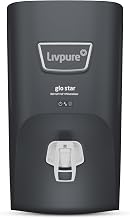


Choose a Water Purifier for Your Home
A water purifier helps treat water before you use it for drinking and cooking. Different purification systems address different water conditions, so one technology may not suit every household. Factors such as dissolved solids, suspended particles, microbial contamination, source water and regular maintenance can influence the right choice.
When shopping for a water purifier in India, start by identifying your water source. Municipal water, borewell water, tanker water and mixed sources can have different characteristics. If you know the quality of your incoming water, use that information to narrow down suitable purification technologies instead of selecting a product only because it has more features.
Types of Water Purifiers to Consider
RO Water Purifiers
Reverse osmosis, commonly called RO, uses a semipermeable membrane to reduce many dissolved substances in water. RO purifiers are often considered for water with higher total dissolved solids. Depending on the model, an RO system may also combine additional filtration and purification stages.
UV Water Purifiers
Ultraviolet purification uses UV light as part of the treatment process. UV systems are commonly paired with filtration stages and can be suitable for particular water sources where dissolved solids are not the primary concern. Always check the manufacturer's stated application and installation requirements.
UF Water Purifiers
Ultrafiltration, or UF, uses a fine membrane to filter certain particles and contaminants. UF systems can be useful in situations where the incoming water characteristics match the technology's intended use. Some models combine UF with other purification methods for broader treatment.
Multi-Stage Water Purifiers
Multi-stage purifiers combine two or more treatment methods. A system may include sediment filtration, activated carbon, RO, UV or UF stages. The exact combination varies by product, so check the listed stages rather than assuming every multi-stage purifier provides the same treatment.
Important Features to Compare
Purification technology should be the first consideration, but several other specifications can affect everyday usability. Check the purifier's water storage capacity if you prefer a tank-based system. A larger storage tank may be useful for families that need treated water available during supply interruptions.
Filter configuration also matters. Sediment filters can help reduce suspended particles, while activated carbon filters are commonly used for improving taste and odour and reducing certain organic compounds. Replacement schedules differ between filters and depend on water quality and usage, so consider ongoing maintenance before buying.
Water Purifier Buying Guide for Indian Homes
Before purchasing, consider the number of people using the purifier and your average daily drinking and cooking water requirements. A compact system may suit a smaller household, while a higher-capacity model can be more practical for larger families. Also measure the available installation area to ensure the purifier fits comfortably.
Consider electricity availability as well. Some purification technologies require electrical power, while certain filtration systems can operate without continuous electricity. If your home experiences frequent power interruptions, check whether the chosen purifier has storage capacity or other features that support your routine.
Maintenance and Filter Replacement
Regular maintenance helps a purifier continue operating as intended. Filters and membranes have finite service lives, and replacement intervals can depend on the water source, usage and product design. Follow the manufacturer's maintenance recommendations and do not ignore filter-change indicators where provided.
Keep the exterior and dispensing area clean, and arrange professional servicing when the product requires technical attention. If you notice unusual taste, odour, reduced flow or changes in purifier performance, check the filters and consult the product's service guidance.
Why Compare Water Purifiers Online?
Online category shopping makes it easier to review specifications before making a purchase. You can compare purification technologies, storage capacity, filtration stages, installation requirements and other listed features in one place. Pay attention to the complete product specifications and included accessories rather than relying only on promotional descriptions.
For Indian households, the most suitable water purifier depends on local water conditions, household size, available space, maintenance preferences and budget. Taking these factors into account can help you choose a system that fits your actual requirements and supports a convenient daily drinking-water routine.
Shop Water Purifiers Based on Your Needs
Whether you are replacing an older purifier, setting up a new kitchen or looking for a filtration solution for another space, compare products according to your water source and usage. Review the purification method, filter stages, capacity, maintenance needs and installation information before making your final selection.
Introduction
Clean drinking water is an everyday need, and the right water purifier can make home water treatment more convenient. Water quality can vary between cities, neighbourhoods, borewell sources, municipal supplies and stored water. Therefore, choosing a suitable purifier starts with understanding the type of water you receive and the treatment technology you need. This water purifier category is designed for shoppers in India who want to explore practical water purification options for their homes, kitchens, offices and other everyday spaces. Compare purification technologies, filtration stages, capacity and maintenance requirements before choosing a model that fits your water source and household needs.
Frequently Asked Questions
Which water purifier is suitable for home use?
The suitable purifier depends on your water source and its quality. Compare RO, UV, UF and multi-stage systems according to dissolved solids, microbial concerns, suspended particles and the manufacturer's recommended applications.
Is RO suitable for every type of water?
RO is designed to reduce many dissolved substances and can be useful for water with higher dissolved solids. However, it may not be necessary for every water source. Test your water quality and select a system based on the actual characteristics of your supply.
How often should water purifier filters be replaced?
Filter replacement intervals vary by purifier, filter type, water quality and usage. Follow the manufacturer's recommended schedule and replace filters when the product indicates that servicing is required.
What water purifier capacity should I choose for a family?
Choose storage capacity according to household size, daily drinking-water consumption and the reliability of your water supply. Larger households may prefer greater storage, while smaller households may find a compact capacity sufficient.
What is the difference between RO, UV and UF water purification?
RO uses a semipermeable membrane to reduce many dissolved substances, UV uses ultraviolet light as part of microbial treatment, and UF uses a fine membrane to filter certain particles and contaminants. Some products combine these technologies.
Does a water purifier require electricity?
It depends on the purification technology and product design. Many RO and UV systems require electricity, while some filtration-based systems can operate without it. Check the product specifications before purchasing.
What should I check before buying a water purifier online?
Check the purification technology, suitability for your water source, storage capacity, filter stages, replacement requirements, installation needs, dimensions, warranty information and other specifications provided for the product.
Frequently Asked Questions (FAQ)
❓ How are these Water Purifier for Clean and Safe Drinking Water options ranked?
Our custom data engine continuously scans product entries to verify high-performing items that carry a consistent rating above 4.2 stars, filtering out unreliable listings or items with artificial review jumps.
❓ Does clicking outbound links increase my checkout price?
Absolutely not. All generated product buttons use standard, secure commercial tracking tags. The item cost values reflect the official live marketplace catalog pricing identically.
❓ How often are the pricing deals updated on this page?
Our data tables utilize automated cache transients refreshed continuously throughout the week to fetch the freshest inventory nodes, live pricing metrics, and tracking structures.
❓ Are these products backed by standard consumer warranties?
Yes. Because our directory routes you directly to the verified official listing pages on Amazon, your purchases qualify for complete merchant protections, returns, and original brand manufacturing warranties.