

♥ Wishlist








Baby proofing is the process of identifying potential household hazards and taking practical steps to reduce them. As babies become more mobile, they can reach places that were previously outside their range. A home that felt safe for adults may therefore need additional precautions for a crawling or walking child. The right baby proofing safety products can provide an extra layer of protection while children learn to explore their surroundings.
Parents in India can use baby safety products throughout bedrooms, living rooms, kitchens, bathrooms, hallways, and other areas where children spend time. Instead of relying on a single type of safety accessory, it is useful to assess each room individually. Look for accessible electrical outlets, low cabinets, drawers, doors, windows, furniture edges, stairs, and other areas where a child could encounter an avoidable risk.
Electrical outlets can attract curious toddlers, particularly when they are positioned close to the floor. Outlet covers and other suitable electrical safety accessories can help prevent children from accessing unused sockets. Parents should also keep electrical cords organised and away from areas where children play.
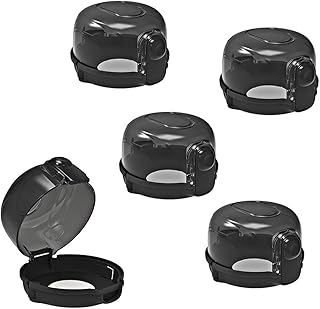
Kitchen and bathroom cabinets may contain cleaning products, medicines, sharp objects, or other household items that children should not handle. Cabinet and drawer safety locks can help restrict access to selected storage spaces. However, hazardous substances should still be stored securely and out of children's reach.
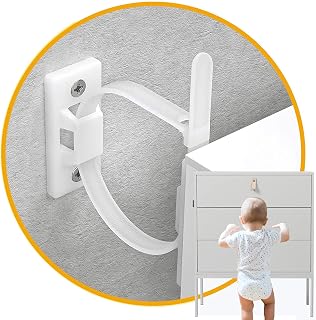
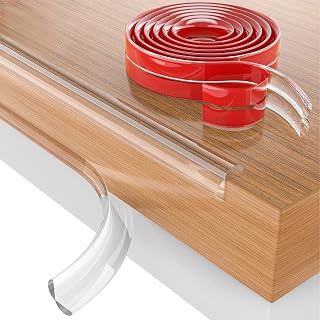
Furniture with hard or sharp corners can become a concern once a baby starts walking or moving quickly around a room. Corner guards and edge protectors can help soften exposed furniture edges. Measure the relevant surfaces before purchasing to ensure that the selected safety accessory fits properly.
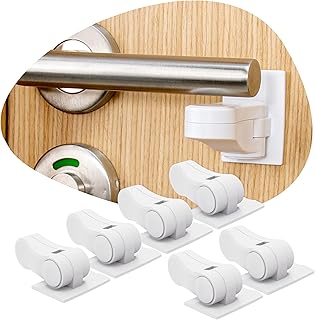
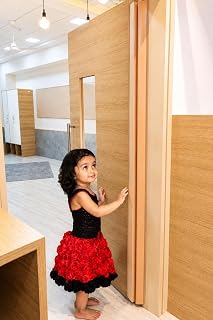
Doors and windows can create different safety concerns depending on their position and design. Door safety accessories can help prevent little fingers from getting caught or restrict access to selected rooms. Window safety solutions may also be useful where children can reach an opening. Always choose products appropriate for the specific window or door mechanism.
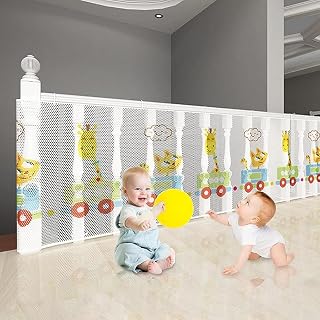
Stairs can become particularly challenging once a child begins crawling and walking. Safety gates can help limit access to stairways and selected areas of the home. Installation should follow the manufacturer's instructions, and gates should be checked regularly to make sure they remain secure.
Start by walking through your home from a child's perspective. Identify objects and areas that are easy for a baby or toddler to reach. Consider sockets, cords, cabinets, drawers, furniture, doors, windows, stairs, and other household features. This simple inspection can help you decide which types of safety products are most relevant.
Next, check the product's intended use, dimensions, installation method, and compatibility. A safety accessory designed for one type of cabinet, socket, door, or window may not work correctly on another. Read the product information carefully and compare measurements before ordering.
Ease of installation also matters. Some products use adhesive mounting, while others require screws, pressure fitting, or another installation method. Choose an option that suits the surface and provides a secure fit. For products that protect against falls or restrict access, proper installation is especially important.
Look for child safety products with secure closures, suitable construction, reliable attachment methods, and clear usage instructions. Products should be appropriate for the child's age and the hazard they are intended to address. A good baby proofing plan combines suitable safety accessories with supervision and sensible storage practices.
It is also worth checking installed products regularly. Children grow quickly and may eventually learn how a lock, latch, or gate works. Inspect safety accessories for loose fittings, damaged components, worn adhesive, or other signs that they may need adjustment or replacement.
When shopping for baby proofing safety products online in India, compare the product type, dimensions, material, installation requirements, compatibility, and intended age range before making a purchase. Consider which rooms require protection and prioritise the hazards that could cause the greatest concern.
A thoughtful baby proofing approach does not mean making every part of a home inaccessible. Instead, it helps parents reduce preventable risks while allowing children to explore age-appropriate spaces. By combining appropriate safety products with supervision and safe household habits, families can create a more comfortable environment for growing babies and toddlers.
Children learn through movement and exploration, so their surroundings change as they develop. Baby proofing helps families prepare for these changing abilities before a child reaches a new area or develops a new skill. Reviewing home safety regularly is therefore more useful than treating baby proofing as a one-time task.
Whether you need protection for electrical outlets, furniture corners, cabinets, doors, windows, or stairs, selecting the right safety accessories can make everyday spaces easier to manage. Use each product according to its instructions and continue supervising children, especially around hazards that cannot be completely removed.
Creating a safer home becomes especially important when babies and toddlers start crawling, standing, and exploring. Everyday household features such as electrical sockets, sharp corners, drawers, cabinets, doors, and stairs can present risks to curious little ones. Baby proofing safety products can help parents and caregivers reduce these common hazards and create a more child-friendly environment. The Baby Proofing Safety category brings together practical safety solutions designed to help protect young children around the home. When choosing products, consider the age and mobility of your child, the layout of your home, and the specific areas that require additional protection.