
Best Air Compressor for Home, Workshop and Professional Use Products online india
Explore our real-time updated product directory index curated for performance, verified star metrics, and historical consumer trust rankings.
Verified Deal Selections
32 Items Indexed


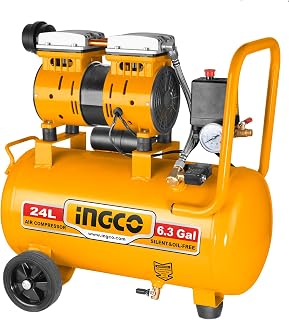


Choose the Right Air Compressor for Your Application
An air compressor is a practical machine for generating and storing compressed air for different tools and applications. Depending on the design and specifications, compressors can support tasks such as tyre inflation, air blowing, pneumatic tool operation, spray painting, workshop maintenance, and selected construction or industrial activities. The best choice depends on how much air your application consumes and how frequently you expect to use the machine.
When shopping for an air compressor in India, start by identifying the work you need it to perform. A compact compressor can be convenient for occasional inflation, cleaning, and other lighter jobs. In contrast, a workshop may require a higher-capacity machine that can deliver compressed air consistently during longer operating periods. Matching the compressor to the application can help improve productivity and avoid choosing a machine that is either unnecessarily large or unable to meet demand.
Important Air Compressor Specifications to Compare
Several specifications influence compressor performance. Tank capacity indicates how much compressed air the receiver can store. A larger tank can provide a useful reserve for intermittent applications and may reduce how frequently the motor needs to restart. However, tank size alone does not determine overall performance.
Air pressure, commonly stated in bar or PSI, indicates the pressure the compressor can produce. Check the pressure requirement of the pneumatic tool or equipment you intend to operate. Airflow, often expressed as litres per minute or cubic feet per minute, is equally important because air-consuming tools need an adequate continuous supply. Always compare the compressor's rated airflow with the requirements of your equipment rather than selecting a model based only on motor power.
Air Compressors for Different Uses
Home and General Maintenance
For household users, a compact compressor may be useful for inflating vehicle or bicycle tyres, sports equipment, cleaning hard-to-reach areas with compressed air, and completing occasional maintenance tasks. Portability can be particularly valuable when the compressor needs to be moved around a garage, home, or small workspace.
Garage and Automotive Work
Automotive workshops often use compressed air for tyre inflation, cleaning, air tools, and other maintenance activities. If you plan to operate pneumatic impact wrenches, grinders, or similar tools, pay close attention to airflow requirements and duty cycle. A compressor with suitable capacity can provide a more dependable air supply during repeated workshop operations.
Painting and Workshop Applications
Spray painting and similar applications can require a consistent airflow and suitable pressure. Before purchasing, check the specifications of the spray gun or other air-powered equipment. A compressor that cannot maintain the required airflow may produce inconsistent results and require frequent pauses.
Portable or Stationary Air Compressor?
Portable compressors are designed for flexibility. They can work well where equipment needs to move between locations or where storage space is limited. Their compact format can make them convenient for homeowners, mobile technicians, and smaller workshops.
Stationary compressors are generally more suitable when compressed air is required at a fixed workstation. Larger systems can offer greater capacity for demanding applications, although they require suitable installation space and a stable operating environment. Consider available floor space, ventilation, electrical supply, and the expected workload before choosing a stationary model.
How to Select an Air Compressor in India
Begin by listing the tools and applications you expect to use. Check their pressure and airflow requirements, then select a compressor that can meet those requirements with an appropriate operating margin. Consider tank size, motor specifications, power supply, portability, noise, maintenance needs, and available space.
For occasional jobs, buying a very large compressor may add unnecessary cost and take up valuable space. Likewise, selecting a small compressor for demanding pneumatic equipment can lead to frequent cycling and reduced productivity. A balanced choice should suit your actual workload rather than relying on a single specification.
Air Compressor Buying Considerations
Before placing an order, review the complete product specifications and confirm the included accessories, power requirements, pressure rating, airflow information, tank capacity, dimensions, and intended application. Also consider how easily the machine can be transported or stored. Wheels, handles, compact construction, and other practical features can make a difference in everyday use.
Regular care also matters. Follow the manufacturer's operating and maintenance instructions, keep air intake areas clean, inspect hoses and connections, and drain accumulated moisture from the receiver when required. Proper maintenance can help maintain reliable operation and extend equipment life.
Whether you need compressed air for a home garage, automotive workshop, maintenance tasks, painting, inflation, or professional applications, compare models according to real-world requirements. A well-matched air compressor can provide dependable compressed air while making a wide range of jobs faster and more convenient.
Introduction
Find the right air compressor for a wide range of applications, from inflating tyres and operating pneumatic tools to workshop maintenance, spray painting, cleaning, and professional work. An air compressor converts mechanical power into stored compressed air, which can then supply tools and equipment when needed. Choosing the right model depends on the required air pressure, airflow, tank capacity, motor power, portability, and intended workload. For shoppers in India, the ideal air compressor can vary considerably between occasional household use and demanding workshop applications. Compact portable compressors can suit inflation and light-duty tasks, while larger tank-based machines can provide a steadier supply of compressed air for repeated operations. Compare the important specifications before buying so that the compressor matches both your equipment and your working environment.
Frequently Asked Questions
What is an air compressor used for?
An air compressor produces and stores compressed air for applications such as tyre inflation, cleaning, spray painting, pneumatic tools, workshop maintenance, and other air-powered tasks.
How do I choose the right air compressor?
Choose a compressor according to the pressure and airflow requirements of your tools or applications. Also compare tank capacity, motor power, duty cycle, portability, power supply, available space, and expected frequency of use.
Is a larger air compressor always better?
No. A larger compressor may provide greater capacity, but it can also require more space, power, and investment. Select a model that matches your actual air demand and workload.
What does air compressor tank capacity mean?
Tank capacity refers to the amount of compressed air the receiver can store. A larger tank can provide a greater air reserve for intermittent applications, although compressor airflow and pressure are also important.
What is the difference between portable and stationary compressors?
Portable compressors are designed for easier movement and flexible use, while stationary compressors are generally installed in a fixed location and can suit applications requiring a larger or more consistent compressed-air supply.
Can an air compressor be used for spray painting?
Yes, suitable air compressors can be used with compatible spray-painting equipment. Check the spray gun's required pressure and airflow and ensure the compressor can maintain the required supply.
Why are pressure and airflow both important?
Pressure determines the force available from the compressed air, while airflow indicates how much air the compressor can supply over time. Air-powered tools often require both specifications to fall within a suitable range.
Frequently Asked Questions (FAQ)
❓ How are these Air Compressor for Home, Workshop and Professional Use options ranked?
Our custom data engine continuously scans product entries to verify high-performing items that carry a consistent rating above 4.2 stars, filtering out unreliable listings or items with artificial review jumps.
❓ Does clicking outbound links increase my checkout price?
Absolutely not. All generated product buttons use standard, secure commercial tracking tags. The item cost values reflect the official live marketplace catalog pricing identically.
❓ How often are the pricing deals updated on this page?
Our data tables utilize automated cache transients refreshed continuously throughout the week to fetch the freshest inventory nodes, live pricing metrics, and tracking structures.
❓ Are these products backed by standard consumer warranties?
Yes. Because our directory routes you directly to the verified official listing pages on Amazon, your purchases qualify for complete merchant protections, returns, and original brand manufacturing warranties.