

♥ Wishlist


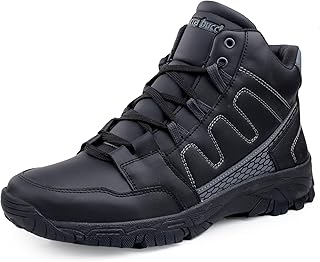


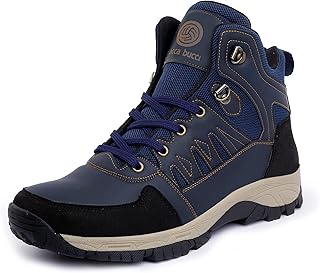


Choosing the right men trekking shoes can make a noticeable difference when you spend long hours on trails, hills or uneven outdoor surfaces. Trekking footwear needs to provide a practical balance of comfort, grip, stability and durability. Whether you are planning a weekend hike, exploring mountain paths or preparing for an outdoor trip, the right pair can help you move with greater confidence.
Men trekking shoes are built for more demanding conditions than everyday casual footwear. Their construction typically focuses on traction and support, while the materials aim to handle regular exposure to dust, stones, moisture and changing trail surfaces. However, no single shoe suits every adventure. Your choice should reflect the type of terrain, distance, weather and activity you expect.
Start by considering where you intend to wear your trekking shoes. Easy trails and maintained paths may require a lighter design that feels flexible during extended walks. In contrast, rocky routes and uneven terrain can benefit from footwear that offers stronger support and a more protective construction.
For hill stations and mountain destinations in India, pay close attention to outsole traction. A tread pattern with dependable grip can be useful when walking across loose soil, gravel or uneven rock. If your plans include wet conditions, also consider materials and construction that offer suitable protection from moisture.
The outsole is one of the most important parts of trekking footwear. Look for a tread pattern appropriate for the surfaces you expect to encounter. Deeper or more pronounced lugs can provide useful traction on many uneven outdoor surfaces, while a less aggressive tread may feel more comfortable on easier paths.
Trekking can involve several hours of walking, so comfort matters. Look for a fit that leaves enough room for natural toe movement without allowing excessive heel movement. Suitable cushioning can help make longer walks more comfortable, particularly when carrying a backpack.
Support requirements depend on the route and personal preference. Low-cut trekking shoes can offer freedom of movement and a lighter feel. Designs with greater coverage may appeal to shoppers who want additional ankle support on challenging trails. Always consider the shoe construction alongside your walking style and terrain.
Outdoor footwear faces more wear than ordinary everyday shoes. Durable uppers, reinforced areas and sturdy outsole construction can be valuable when walking over rough surfaces. Check the product specifications carefully to understand the materials and intended use before purchasing.
India offers an extensive variety of hiking environments, from forest trails and rocky hills to high-altitude routes and dry paths. Weather can also change quickly between regions and seasons. Therefore, shoppers should consider the destination rather than selecting footwear based only on appearance.
For warm-weather hikes, breathability can be an important consideration. For rainy destinations, moisture resistance may be more useful. If you frequently travel between different environments, a versatile trekking shoe can provide greater practical value. Always check the manufacturer's specifications for water resistance, intended terrain and care requirements.
Fit is especially important for trekking because poorly fitting footwear can become uncomfortable during extended walks. Measure your feet according to the sizing guidance provided for the product. Consider the socks you normally wear for trekking and allow appropriate room around the toes. Your heel should remain secure without excessive pressure.
Also consider when you will use the shoes. Feet can swell slightly during prolonged activity, so a fit that feels comfortable during a quick trial should still provide suitable space for longer walks. If you shop online, review the available size information and return or exchange conditions before placing your order.
When comparing different pairs, focus on practical specifications rather than choosing solely by colour or appearance. Compare outsole design, upper material, closure system, cushioning, weight, fit information and weather-related features where these details are provided. Your intended trail should guide the decision.
Price is another consideration, but the cheapest option is not always the most suitable choice for demanding outdoor use. A well-matched pair can offer better comfort and usability when its construction suits your regular activities. Think about how often you trek and the conditions in which you normally walk.
Proper care can help maintain trekking shoes over time. Remove loose dirt after outdoor trips and follow the product's cleaning instructions. Allow footwear to dry naturally after exposure to moisture, and avoid using excessive heat unless the manufacturer specifically recommends it. Store the shoes in a dry, ventilated place between adventures.
Inspect the outsole and upper regularly, especially if you use your shoes on rough trails. Signs of significant wear can affect grip and overall performance. Replacing heavily worn footwear can be important when traction and stability are essential for your outdoor activities.
The best men trekking shoes are the ones that match your terrain, walking style, fit requirements and expected conditions. Whether you need footwear for occasional hiking, hill walks or regular outdoor exploration, compare the available features carefully before making your choice. Prioritise a secure fit, suitable traction and practical comfort so you can focus on enjoying the trail.
Find men trekking shoes designed for outdoor trails, hiking trips, hill walks and active travel. Choose footwear with suitable grip, support, comfort and durability for the terrain and conditions you expect to encounter.