
Best Plunge Saws in India Products online india
Explore our real-time updated product directory index curated for performance, verified star metrics, and historical consumer trust rankings.
Verified Deal Selections
55 Items Indexed


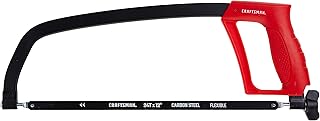


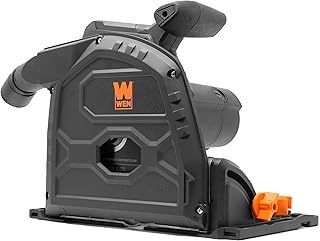


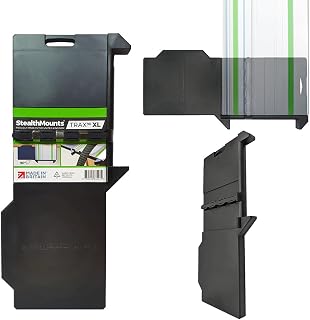


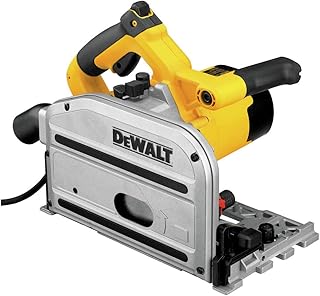


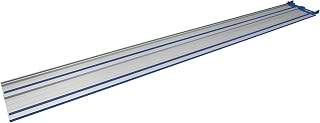


Plunge saws are precision cutting tools designed to let the blade enter a workpiece from above rather than requiring a cut to begin at an exposed edge. This design makes them useful for woodworking, cabinetry, furniture making, renovation projects and other applications where controlled internal cuts matter. For shoppers in India, choosing the right plunge saw involves more than comparing prices. Blade diameter, cutting depth, power source, guide compatibility, dust management and intended material all influence the practical performance of a saw.
Unlike a conventional circular saw, a plunge saw uses a guarded blade mechanism that allows the operator to lower the blade into the material at a selected point. This can help produce clean and repeatable cuts when working with large boards, panels, worktops and similar materials. A suitable guide rail can further improve straightness and consistency, especially when cutting long sheet materials.
What Is a Plunge Saw?
A plunge saw is a circular cutting tool with a blade that moves vertically into the workpiece. The operator positions the saw at the desired starting point and lowers the blade to begin cutting. This makes the tool particularly useful when a cut must start away from an edge.
Plunge saws are commonly used for crosscuts, rip cuts and openings in suitable wood-based materials. Depending on the model and blade, they may also be appropriate for materials such as plywood, MDF, laminated boards and worktops. Always check the manufacturer's specifications and use a blade intended for the material being cut.
Key Features to Compare
Blade Diameter and Cutting Depth
Blade size affects the maximum cutting depth available from a saw. When comparing models, check the stated cutting depth at different cutting angles rather than considering blade diameter alone. A saw with sufficient capacity for your regular material thickness can make projects easier to manage.
Power and Speed
For corded models, motor power is an important consideration for demanding cutting work. Cordless plunge saws offer greater freedom of movement and can be convenient on jobsites where mains power is unavailable. Variable speed features may provide additional control for applications involving different materials or blades.
Guide Rail Compatibility
Guide rail compatibility is especially valuable for long, straight cuts. A compatible rail can help keep the saw aligned and improve repeatability when working with sheet goods. Before buying accessories separately, check which rails and connectors are compatible with the selected saw.
Dust Extraction
Cutting wood-based materials can create considerable dust. Many plunge saws include a dust outlet that can connect to a suitable extraction system. Effective dust collection can help keep the working area cleaner and improve visibility around the cutting line. Wear appropriate respiratory and eye protection according to the material and working environment.
Where Can You Use a Plunge Saw?
Plunge saws can be useful for cabinet construction, furniture projects, interior fitting, shelving and general woodworking. They are particularly practical when working with large panels because the controlled plunge action allows cuts to begin at selected locations. Professionals may use them for installation and fabrication tasks, while experienced DIY users can use them for carefully planned home projects.
For sheet materials, accurate measurement and stable support remain essential. Place the workpiece securely, mark the intended cut clearly and ensure the blade will not contact hidden fasteners or other obstructions. A suitable guide rail can help improve accuracy, but it does not replace careful setup.
Plunge Saw Buying Guide for Indian Shoppers
Start by identifying the materials and maximum thicknesses you normally cut. Next, decide whether a corded or cordless model better suits your workspace. Corded tools can provide continuous operation, while cordless tools can simplify movement around a site. If you already use a particular battery platform, checking compatible cordless tools may also be practical.
Consider ergonomics as well. A comfortable handle, manageable weight, accessible controls and a smooth plunge mechanism can make repeated cuts less tiring. Safety features, blade guards and a secure locking mechanism should also receive attention. Look for clear specifications covering cutting capacity, bevel range, blade size and included accessories.
How to Choose the Right Plunge Saw
For occasional woodworking, focus on the cutting capacity and features that directly match your projects rather than paying for specifications you will not use. For professional applications, consider durability, precision, accessory availability and compatibility with your existing workshop setup. If you regularly cut large panels, guide rail support and dust extraction may be particularly important.
Price is another consideration, but the lowest purchase price does not always represent the most suitable choice. Compare the complete setup, including required blades, rails, batteries or other accessories. Checking the specifications carefully can help you select a plunge saw that fits your cutting requirements and working conditions in India.
Safe and Accurate Plunge Saw Use
Before cutting, secure the workpiece and inspect the blade and guard. Set the required cutting depth according to the material and follow the manufacturer's operating instructions. Keep both hands in safe positions, maintain a stable stance and allow the blade to reach the appropriate operating speed before making the cut.
Use the correct blade for the application and replace damaged or unsuitable blades promptly. Disconnect or remove the battery before changing blades or performing maintenance. Keep the cutting path clear and avoid forcing the saw through the material. Appropriate eye, hearing and respiratory protection can provide additional protection depending on the job.
Compare Plunge Saws Before Buying
When comparing plunge saws, create a simple checklist based on your actual projects. Consider cutting depth, bevel capability, blade diameter, motor or battery system, guide rail compatibility, dust extraction, weight and included accessories. This approach makes it easier to distinguish between models with similar headline specifications.
Whether you are equipping a woodworking workshop or selecting a saw for a renovation project, understanding these differences can make the buying process more straightforward. Explore the plunge saw category to compare available options and identify a model that matches your required cutting performance, compatibility and working style.
Introduction
Discover plunge saws designed for controlled, accurate cutting in wood and sheet materials. This category helps Indian shoppers understand plunge-cutting saws, their key features, applications and important factors to consider before choosing a model.
Frequently Asked Questions
What is a plunge saw used for?
A plunge saw is used for controlled cuts that can begin within a workpiece rather than only at an edge. It is commonly used for woodworking, cabinetry, furniture making, panel cutting and renovation projects.
Can a plunge saw cut plywood?
Many plunge saws can cut plywood when fitted with an appropriate blade and operated within the manufacturer's specified cutting capacity. Check the blade specification and maximum material thickness before cutting.
What is the difference between a plunge saw and a circular saw?
A plunge saw allows the blade to be lowered into the workpiece from above, which is useful for starting internal cuts. A conventional circular saw generally begins a cut from an exposed edge unless a suitable technique is used.
Are guide rails necessary for a plunge saw?
A guide rail is not required for every application, but it can make long, straight and repeatable cuts easier. Check compatibility between the saw and the guide rail before purchasing accessories.
Should I choose a corded or cordless plunge saw?
Choose according to your working environment and cutting requirements. Corded models provide continuous mains-powered operation, while cordless models offer greater mobility. Battery compatibility can be important if you already own compatible power-tool batteries.
What blade size should I choose for a plunge saw?
The appropriate blade size depends on the saw design, required cutting depth and material thickness. Always use the blade diameter and type specified as compatible with the selected model.
What safety precautions should I take when using a plunge saw?
Secure the workpiece, inspect the blade and guard, set the correct cutting depth and follow the manufacturer's instructions. Use suitable personal protective equipment and disconnect the power source before changing blades or carrying out maintenance.
Frequently Asked Questions (FAQ)
❓ How are these Plunge Saws in India options ranked?
Our custom data engine continuously scans product entries to verify high-performing items that carry a consistent rating above 4.2 stars, filtering out unreliable listings or items with artificial review jumps.
❓ Does clicking outbound links increase my checkout price?
Absolutely not. All generated product buttons use standard, secure commercial tracking tags. The item cost values reflect the official live marketplace catalog pricing identically.
❓ How often are the pricing deals updated on this page?
Our data tables utilize automated cache transients refreshed continuously throughout the week to fetch the freshest inventory nodes, live pricing metrics, and tracking structures.
❓ Are these products backed by standard consumer warranties?
Yes. Because our directory routes you directly to the verified official listing pages on Amazon, your purchases qualify for complete merchant protections, returns, and original brand manufacturing warranties.