
Best Reciprocating Saw for Powerful and Precise Cutting Products online india
Explore our real-time updated product directory index curated for performance, verified star metrics, and historical consumer trust rankings.
Verified Deal Selections
53 Items Indexed





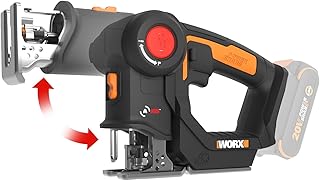


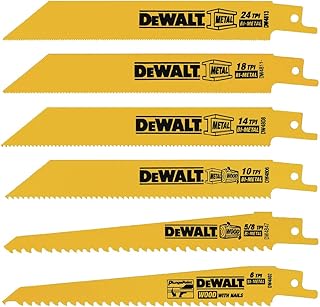


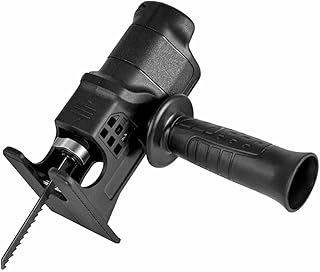


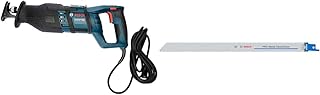


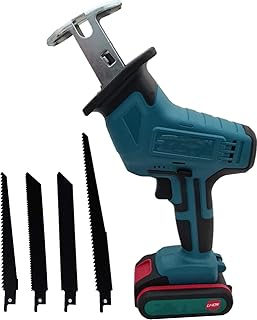
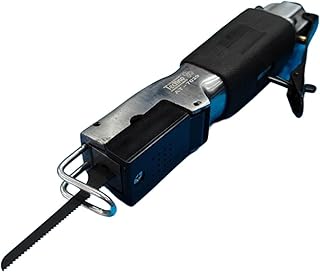


A reciprocating saw is a versatile power cutting tool designed for jobs where a straight, controlled cut is difficult to achieve with conventional saws. Its blade moves rapidly back and forth, allowing the tool to cut through a wide range of materials when paired with the correct blade. In India, reciprocating saws can be useful for renovation projects, workshop tasks, plumbing work, electrical installations, construction jobs and demanding DIY applications.
When choosing a reciprocating saw, start by considering the type of work you expect to perform. Different cutting applications require different blade types, lengths and tooth patterns. A coarse-tooth blade can suit many wood-cutting applications, while a finer-tooth blade is generally more appropriate for certain metal-cutting tasks. Specialised blades are also available for materials such as plastic, demolition materials and other applications. Using the correct blade helps improve cutting performance and can reduce unnecessary wear.
Choose the Right Reciprocating Saw for Your Work
Reciprocating saws are available in corded and cordless formats. A corded model can provide continuous operation when a suitable electrical supply is available, making it practical for workshop and extended cutting applications. A cordless reciprocating saw uses a rechargeable battery and offers greater freedom of movement. It can be particularly convenient when working in areas without easy access to a power outlet.
Power and cutting speed are also important considerations. A higher-powered model may be suitable for demanding materials and heavier applications, while a compact option can be easier to handle during lighter repair and DIY work. Variable-speed control can provide additional flexibility because it allows the user to adjust the cutting action according to the material and task.
Important Features to Compare
Look at the tool's stroke length, strokes per minute, motor performance, blade-changing system and overall design before making a purchase. Stroke length describes the distance travelled by the blade during its movement, while strokes per minute indicate how quickly the blade completes its reciprocating action. These specifications can help you understand how a model is designed to perform.
A tool-free blade-change mechanism can make switching between blades more convenient. An adjustable or pivoting shoe can help provide better control when positioning the tool against a workpiece. Ergonomic handles and balanced construction can also make a difference during longer jobs. If you regularly work in different locations, consider the battery system, charging time and compatibility with other tools if you already use a cordless platform.
Applications of a Reciprocating Saw
A reciprocating saw can handle a variety of cutting tasks when fitted with an appropriate blade. Wood cutting is common in renovation and construction work, while metal-cutting blades can assist with suitable pipes, sheets and other metal components. The tool can also be useful for cutting plastic pipes, removing old materials and performing controlled demolition work.
Its relatively compact blade design makes it useful for cutting in locations where a larger saw may be difficult to position. However, the final result depends on the blade, material, tool settings and technique. Always check that the blade is designed for the material before starting the job.
How to Select a Reciprocating Saw in India
Think about your workload, available power source, material types and expected frequency of use. For occasional household repairs, a compact model may provide the convenience you need. For regular workshop, construction or renovation work, you may want to compare motor performance, durability, speed control and blade compatibility more closely.
Also consider practical factors such as tool weight, grip comfort and access to compatible replacement blades. A lightweight design can be easier to manoeuvre, while a robust construction may be preferable for demanding applications. Comparing these factors before purchasing can help you select a reciprocating saw that matches your actual requirements rather than choosing based on power specifications alone.
Use Your Reciprocating Saw Safely
Safety should always be part of the cutting process. Wear suitable eye protection and follow the manufacturer's operating instructions. Secure the workpiece before cutting and keep hands away from the blade path. Check the blade and tool condition before use, and disconnect a corded tool from its power source or remove the battery when changing accessories if the manufacturer's instructions require it.
For cordless models, use the recommended battery and charger. Avoid forcing the blade through a material because excessive pressure can reduce control and place unnecessary strain on the tool. Allow the saw and blade to perform the cutting action while maintaining a stable grip and suitable working position.
Shop for a Reciprocating Saw Online
Shopping for a reciprocating saw online makes it easier to compare specifications, blade compatibility and design features before selecting a model. Consider the materials you normally cut, the working environment and the amount of use you expect. By matching the saw to your applications, you can choose a practical power cutting tool for DIY projects, repairs, renovation and professional work in India.
Introduction
Find a reciprocating saw for demanding cutting tasks around the home, workshop, construction site or garden. This versatile power tool uses a fast back-and-forth blade movement to cut through materials such as wood, metal, plastic and selected building materials. Whether you need a tool for renovation, installation, repair or general DIY work, choosing the right reciprocating saw can make cutting jobs faster and more manageable.
Frequently Asked Questions
What is a reciprocating saw used for?
A reciprocating saw is used for cutting materials such as wood, metal and plastic when fitted with a suitable blade. It is commonly used for renovation, repair, construction, plumbing, workshop and DIY applications.
Can a reciprocating saw cut metal?
Yes. A reciprocating saw can cut suitable metal materials when you use a blade specifically designed for metal cutting. Select the blade according to the type and thickness of the material.
Can a reciprocating saw cut wood?
Yes. Reciprocating saws can cut wood with an appropriate wood-cutting blade. Blade tooth design and length should match the material and cutting application.
Should I buy a corded or cordless reciprocating saw?
A corded model can be practical for extended work near a suitable power source, while a cordless model offers greater mobility. Choose according to your workspace, workload and access to electricity.
What should I check before buying a reciprocating saw?
Compare power, stroke length, strokes per minute, speed control, blade compatibility, tool weight, grip design and the available power system. Also consider the materials and frequency of use.
Are reciprocating saw blades interchangeable?
Blade compatibility depends on the saw's blade mounting system. Always check the manufacturer's specifications and use blades designed for the particular tool and cutting application.
Is a reciprocating saw suitable for DIY projects?
Yes. A suitable reciprocating saw can be useful for household repairs, renovation, woodworking and other DIY cutting tasks. Select an appropriate blade and follow safe operating practices.
Frequently Asked Questions (FAQ)
❓ How are these Reciprocating Saw for Powerful and Precise Cutting options ranked?
Our custom data engine continuously scans product entries to verify high-performing items that carry a consistent rating above 4.2 stars, filtering out unreliable listings or items with artificial review jumps.
❓ Does clicking outbound links increase my checkout price?
Absolutely not. All generated product buttons use standard, secure commercial tracking tags. The item cost values reflect the official live marketplace catalog pricing identically.
❓ How often are the pricing deals updated on this page?
Our data tables utilize automated cache transients refreshed continuously throughout the week to fetch the freshest inventory nodes, live pricing metrics, and tracking structures.
❓ Are these products backed by standard consumer warranties?
Yes. Because our directory routes you directly to the verified official listing pages on Amazon, your purchases qualify for complete merchant protections, returns, and original brand manufacturing warranties.