
Best Tiller Cultivators for Efficient Soil Preparation Products online india
Explore our real-time updated product directory index curated for performance, verified star metrics, and historical consumer trust rankings.
Verified Deal Selections
55 Items Indexed


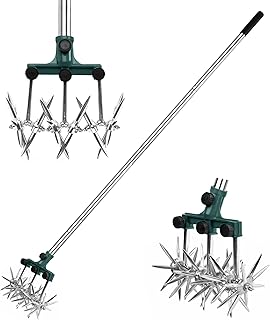


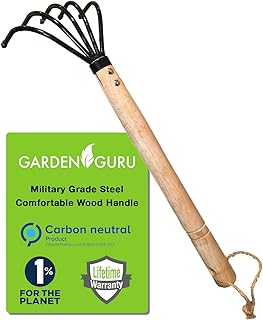


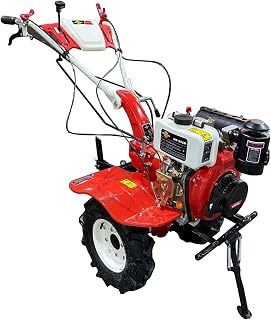


Choose Tiller Cultivators for Practical Soil Preparation
Tiller cultivators are agricultural machines used to loosen and prepare soil before planting. They can break up compacted soil, mix organic matter into the topsoil and help create a workable seedbed. Depending on the machine design, they can suit vegetable gardens, nurseries, small farms, orchards and other cultivation areas.
For Indian farming conditions, the right machine depends on several practical factors. Soil can vary considerably between regions, while cultivated plots may range from small garden beds to larger agricultural fields. Therefore, it is useful to assess the land before selecting a model rather than choosing equipment based only on engine power or price.
Types of Tiller Cultivators to Consider
Different cultivator designs serve different working requirements. Petrol tiller cultivators can provide useful mobility for areas without convenient electrical access. Electric models may suit smaller spaces where a reliable power supply is available. Heavy-duty machines can be appropriate for tougher soil conditions, while compact cultivators can make manoeuvring easier around beds, plants and narrow spaces.
Some machines also support interchangeable or specialised attachments. Depending on the model, attachments may help with tasks such as weeding, furrowing or other cultivation work. Always check manufacturer specifications and compatibility before purchasing additional implements.
Key Features to Compare Before Buying
Engine or Motor Power
Power affects how effectively a cultivator can work through different soil conditions. A machine intended for compact or demanding soil may require more power than one used for light garden cultivation. Match the power rating with the size of the area and the type of work you expect to perform.
Tilling Width and Depth
Working width determines how much soil the machine can cover in one pass. A wider tilling width can reduce the number of passes across an open plot, while a narrower machine can offer better control in restricted spaces. Working depth is equally important because different crops and cultivation tasks may require different soil preparation depths.
Blade and Tine Design
The blades or tines perform the primary soil-working function. Look for a robust design that matches your intended application. The arrangement and construction of the tines can influence how the machine cuts through, loosens and mixes soil.
Controls and Manoeuvrability
Comfort and control matter during extended cultivation work. Consider handle design, machine balance, steering, operating controls and overall weight. A manageable machine can make it easier to work around boundaries, plants and uneven sections of land.
Benefits of Using Tiller Cultivators
Using a suitable cultivator can reduce the physical effort required for repeated soil preparation. Mechanical tilling can also help break up surface compaction and create a more workable soil structure for subsequent planting tasks. For growers managing multiple beds or plots, efficient cultivation can save time compared with relying entirely on manual digging.
Regular cultivation should still be planned according to the soil and crop requirements. Excessive tilling can disturb soil structure and organic matter, so use the machine only when appropriate for the cultivation method being followed.
How to Select a Tiller Cultivator in India
Start by measuring the area you need to cultivate and identifying the typical soil conditions. Next, decide whether petrol, electric or another drive system fits your working environment. Compare tilling width, depth, power, tine construction, machine weight and operating controls. If you expect to perform more than basic soil preparation, check whether compatible attachments are available.
Maintenance requirements should also influence your decision. Review information about air filters, engine oil, spark plugs, belts, blades, tines and other service components where applicable. Easy access to replacement parts and routine servicing can make long-term ownership more convenient.
Safe and Responsible Cultivator Use
Read the operating instructions before using a cultivator. Wear suitable footwear and protective equipment, keep other people away from the working area and inspect the machine before starting. Remove stones, wire and other objects that could interfere with the tines. Switch off the machine and follow the manufacturer's procedure before cleaning, adjusting or servicing moving components.
Store the cultivator in a dry, secure location and complete recommended maintenance at the required intervals. Proper care can help maintain performance and reduce avoidable wear.
Shop Tiller Cultivators Based on Your Requirements
Finding the right tiller cultivator starts with understanding your land, soil and cultivation routine. Compare suitable models by power, working width, working depth, tine design, controls, portability and maintenance needs. A well-matched cultivator can make routine soil preparation more manageable while helping you work efficiently across gardens, farms and cultivated plots in India.
Introduction
Prepare soil efficiently with tiller cultivators designed for cultivation, loosening, mixing and maintaining agricultural soil. These machines can help reduce manual effort while making routine soil preparation more practical for farmers, gardeners and landowners across India. When choosing a cultivator, consider the size and condition of your land, soil type, required working depth, engine or motor power, tilling width and available attachments. Comparing these factors can help you select equipment that matches your cultivation requirements.
Frequently Asked Questions
What are tiller cultivators used for?
Tiller cultivators are primarily used to loosen, break up and prepare soil for planting. Depending on the model and attachments, they may also support weeding, furrowing and other cultivation tasks.
How do I choose the right tiller cultivator?
Consider your plot size, soil condition, required working depth, tilling width, power source, machine weight and intended applications. Choose specifications that match the actual conditions in which you will use the machine.
Are petrol tiller cultivators suitable for farms?
Petrol cultivators can be useful where mobility and independent operation are important. Suitability depends on the machine's power, working width, soil conditions and the size of the area being cultivated.
What tilling width should I choose?
A wider working width can cover open areas more quickly, while a narrower width can provide easier manoeuvrability around small beds and restricted spaces. Select the width according to your land layout and cultivation needs.
Can tiller cultivators work in hard soil?
Some higher-powered cultivators are designed for tougher soil conditions. However, performance depends on soil moisture, compaction, tine design, working depth and machine power. Check the manufacturer's specifications for the intended application.
What maintenance does a tiller cultivator need?
Maintenance varies by model but may include cleaning, checking blades or tines, inspecting fasteners, servicing the engine or motor and replacing consumable components. Follow the manufacturer's maintenance schedule for the specific machine.
Are tiller cultivators useful for small gardens?
Compact cultivators can be useful for small gardens, vegetable plots and similar areas where their working width and manoeuvrability match the available space. Check the machine dimensions before purchase.
Frequently Asked Questions (FAQ)
❓ How are these Tiller Cultivators for Efficient Soil Preparation options ranked?
Our custom data engine continuously scans product entries to verify high-performing items that carry a consistent rating above 4.2 stars, filtering out unreliable listings or items with artificial review jumps.
❓ Does clicking outbound links increase my checkout price?
Absolutely not. All generated product buttons use standard, secure commercial tracking tags. The item cost values reflect the official live marketplace catalog pricing identically.
❓ How often are the pricing deals updated on this page?
Our data tables utilize automated cache transients refreshed continuously throughout the week to fetch the freshest inventory nodes, live pricing metrics, and tracking structures.
❓ Are these products backed by standard consumer warranties?
Yes. Because our directory routes you directly to the verified official listing pages on Amazon, your purchases qualify for complete merchant protections, returns, and original brand manufacturing warranties.