

♥ Wishlist
Compare 51 verified Caulking Gun Hand Tools for Precise Sealing and Filling products in India. Reviews, ratings, pros, cons and buying advice updated for October 2026.


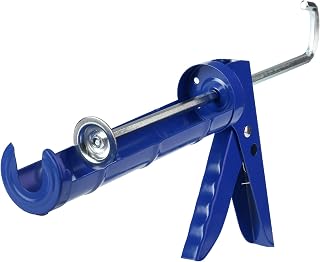


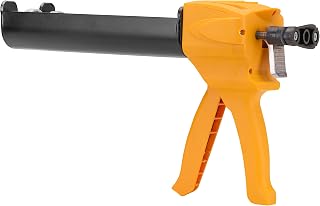


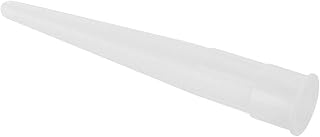


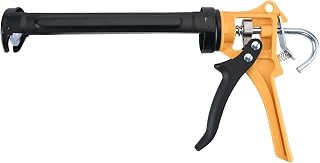


A caulking gun is a simple hand tool, but the right design can make a substantial difference to application speed, bead consistency, hand fatigue and overall finish. For buyers in India, value is not necessarily the same as choosing the cheapest caulking gun. A better value pick balances construction quality, dispensing control, compatibility with commonly available sealant cartridges and the amount of work you expect the tool to handle.
This guide is designed for shoppers comparing caulking guns and related hand tools in India. Instead of judging a model only by its appearance or advertised specifications, consider the mechanical advantage, trigger action, frame construction, plunger design, cartridge compatibility and ease of cleaning. These factors are particularly important when the tool will be used for bathrooms, kitchens, windows, doors, plumbing joints, construction work, woodworking or general household maintenance.
Caulking guns differ mainly in their dispensing mechanism, frame design and level of mechanical advantage. Understanding these differences makes it easier to decide whether a basic manual gun is sufficient or whether a heavier-duty design is worth paying more for.
Standard manual caulking guns are intended for everyday sealant and adhesive applications. They normally use a trigger, plunger rod and cartridge holder to push material through the nozzle. They are usually the most economical option for occasional household repairs.
A basic manual gun can be a sensible choice when you only need to seal a few joints around the home. However, very inexpensive models may have less precise trigger movement, lighter construction or less effective plunger alignment. Those differences become noticeable when working with thicker materials.
High-thrust models provide greater mechanical advantage between trigger movement and plunger force. This is useful when dispensing relatively thick construction adhesive, sealant or other high-viscosity materials.
The main benefit is reduced effort at the trigger. A high-thrust mechanism can be especially useful for repeated applications or larger jobs where squeezing a conventional trigger becomes tiring.
Ratchet-drive guns use a toothed rod and trigger mechanism to advance the plunger incrementally. They are commonly found among affordable manual caulking guns and can provide dependable control when the mechanism is manufactured accurately.
The trade-off is that the dispensing action may be slower than some smoother professional-style mechanisms. Buyers should pay attention to trigger movement, rod construction and the quality of the release mechanism rather than assuming every ratchet-drive gun performs identically.
Smooth-rod designs can offer a more fluid dispensing action and may make it easier to control the amount of sealant being applied. They can be attractive for users who value bead consistency and frequent use.
The quality of the rod, trigger linkage and plunger assembly still matters. A smooth rod alone does not guarantee better performance, so consider the complete mechanism.
A rotating-barrel design can make it easier to maintain the nozzle at a convenient angle when following corners, curves or irregular joints. This can be useful for detailed sealing work where keeping the cartridge aligned with the joint improves control.
Heavy-duty caulking guns are designed for more demanding applications and frequent use. They typically use stronger frames, more substantial trigger assemblies and mechanisms intended to handle higher dispensing resistance.
They may cost more than basic household models, but the additional durability and control can provide better long-term value for contractors, installers, maintenance workers and serious DIY users.
Thrust ratio describes the mechanical advantage of the caulking gun. In practical terms, it indicates how much plunger force is generated relative to the force applied at the trigger.
A higher thrust design can be advantageous when using thick sealants or adhesives. A lower-thrust mechanism may be perfectly adequate for softer materials that flow easily. Choosing the highest possible thrust ratio is therefore not automatically the best decision because excessive mechanical advantage can make dispensing too aggressive for delicate work.
For occasional household sealing, ease of control can be more important than maximum force. For demanding construction adhesives and thick formulations, stronger mechanical advantage becomes more valuable.
The trigger is one of the most important points of contact between the user and the tool. Look for a trigger that moves smoothly and allows controlled pressure rather than requiring abrupt squeezing.
The plunger rod transfers trigger force to the cartridge. A straight, rigid rod helps keep the plunger aligned with the cartridge during dispensing.
Inspect the rod for signs of weak construction, excessive flexibility or poor finishing. A rod that bends under load can reduce dispensing efficiency and make it harder to maintain an even bead.
The plunger should sit securely against the rear of the cartridge without excessive sideways movement. Proper alignment helps transfer force efficiently and reduces the likelihood of uneven pressure.
Compatibility is important because cartridges are not all identical. Before buying, check whether the gun accommodates the cartridge format and capacity used by the sealant you intend to purchase.
The frame holds the cartridge in position while the mechanism pushes material toward the nozzle. Steel frames are common in durable manual models, while lighter designs may use combinations of metal and polymer components.
For occasional household use, a lightweight frame may be convenient. For construction or repeated professional use, stronger frame construction can be more appropriate.
Do not assume that every caulking gun accepts every cartridge. Check the cartridge size, shape and dispensing system before ordering.
This is particularly important when buying sealants or adhesives from different manufacturers. A gun that fits one common cartridge format may not accommodate a specialized package or non-standard dispensing container.
Some caulking guns incorporate tools for cutting cartridge nozzles or puncturing the inner seal. These features can be convenient because they reduce the need for separate tools.
However, an integrated accessory should be considered a convenience rather than the main reason to choose a particular model. Trigger control, frame strength and cartridge compatibility generally have a greater effect on the quality of the finished work.
A hanging hook can be useful for tradespeople who carry several hand tools or work from ladders and work platforms. It can also make storage easier in a home workshop.
This is a secondary feature, so it should not outweigh more important factors such as mechanical reliability and comfortable operation.
For bathroom sinks, kitchen worktops, shower areas and similar applications, control is usually more important than extreme dispensing force. A manual gun with smooth trigger action can help produce a consistent bead of silicone or other suitable sealant.
Always select a sealant specifically intended for the surface and environment. The caulking gun only controls application; it does not determine whether the sealant is appropriate for moisture, temperature or the substrate.
Window and door applications often involve long joints where consistent application is important. A comfortable trigger and stable cartridge support can make extended work easier.
For larger installations, consider a sturdier model with better mechanical advantage because the amount of material used can be considerably greater than for a small household repair.
Construction adhesives can be significantly thicker than some general-purpose sealants. A higher-thrust caulking gun may therefore be preferable, particularly when the adhesive is difficult to dispense.
Before choosing the tool, check the adhesive manufacturer's dispensing recommendations. If the material is specifically designed for a powered or specialized applicator, forcing it through a basic manual gun may be inefficient.
For woodworking, trim installation and general DIY work, precise control can be more useful than maximum force. A well-balanced manual gun can make it easier to apply narrow beads without excessive material waste.
Maintenance work can involve different sealants and joint sizes, so versatility is valuable. A robust manual gun that accommodates commonly used cartridges can be a practical addition to a household or maintenance toolbox.
Professional users should place greater emphasis on durability, trigger ergonomics, mechanical advantage and resistance to repeated use. A slightly higher purchase cost can be justified when a tool is used frequently and productivity matters.
Steel is widely used for caulking gun frames because it can provide rigidity and durability. The quality of the steel, thickness of components and manufacturing precision still vary between models.
A steel frame is particularly useful when the gun is expected to handle thick materials or frequent applications.
Aluminium can reduce weight while providing useful rigidity. It may be attractive to users who carry tools for extended periods or want a lighter manual applicator.
Plastic or polymer parts are not automatically a sign of poor quality. Some designs use polymer components to reduce weight or improve ergonomics. The important question is whether the component is appropriate for the load placed on it.
Pay particular attention to the trigger, cartridge cradle and release mechanism when evaluating models that use substantial plastic components.
Thrust ratio is one of the most useful technical specifications when comparing caulking guns, but it should be interpreted alongside the material being dispensed.
The ideal choice depends on both material viscosity and the user's desired application speed. A tool with excessive mechanical advantage can make it easier to accidentally apply too much material, especially when working on narrow joints.
A good caulking gun cannot compensate for poor surface preparation or incorrect application technique. A clean result depends on the entire process.
The nozzle opening has a direct effect on bead size. Cutting the nozzle too far toward the wider end can produce an unnecessarily large bead and increase material consumption.
The lowest-priced caulking gun may appear attractive for a one-time repair, but price alone says little about trigger smoothness, structural rigidity or long-term reliability.
Compare construction, mechanism, compatibility and user feedback before deciding that a cheaper model offers the best value.
One of the most common mistakes is buying a basic gun without considering the material that will be dispensed. Thick construction adhesive can require considerably more force than a softer sealant.
A professional-style high-thrust gun is not always the best household choice. If the main requirement is occasional silicone application, an unnecessarily heavy mechanism may add weight without providing meaningful benefits.
Always check the cartridge format before purchasing. This is particularly important when the sealant or adhesive is supplied in a specialized package.
A caulking gun can look strong and well-built but still feel uncomfortable in the hand. Trigger shape, grip size, balance and release operation all matter when applying long beads.
Integrated nozzle cutters, hooks and other accessories can be convenient, but they should not distract from the primary job of the tool: advancing the cartridge plunger smoothly and reliably.
Customer feedback can provide useful information when comparing models, but review scores should not be considered in isolation. Look for repeated comments about specific characteristics rather than relying only on an overall rating.
For an independent buying decision, compare customer feedback with the manufacturer's stated specifications and the requirements of your particular application.
When researching available options, buyers may encounter established tool brands such as Stanley, Bosch, DEWALT, Ingco, Taparia, Krost and other Indian and international manufacturers. Availability and individual model ranges can change, so evaluate the specific product rather than assuming every tool from a brand has the same construction or performance.
Stanley and DEWALT are well-known names in hand and power tools, while Bosch offers a broad range of tools and accessories. Taparia is a familiar Indian hand-tool brand, and Ingco has a range of value-oriented tools. These names can be useful starting points for comparison, but the exact model specification remains more important than brand recognition alone.
Use the following checklist when comparing several caulking guns at different prices.
Prioritise affordability, basic durability and easy handling. There is little reason to pay for professional-grade mechanical features if the tool will only be used for a small number of household repairs.
A stronger frame, smoother trigger and better dispensing control can justify moving beyond the entry-level category. The objective is to find a model that remains comfortable and predictable over repeated projects.
Professional users should evaluate the tool based on productivity and fatigue as well as purchase price. A durable mechanism with appropriate mechanical advantage can be more economical over time if it reduces effort and handles repeated cartridge use reliably.
A manual caulking gun is generally the simplest option and does not require charging, batteries or a power source. It is suitable for many household and professional applications.
Powered applicators can reduce repeated trigger effort and may provide more consistent material flow during extensive work. However, they are usually more expensive and can be unnecessary for occasional repairs.
For a value-focused buyer, the correct choice depends on workload. Manual tools remain highly practical for small and medium jobs, while powered equipment becomes more attractive when application volume and operator fatigue are significant concerns.
Proper maintenance can help preserve the dispensing mechanism and prevent accumulated sealant from interfering with operation.
Different sealants cure differently, so cleaning procedures should be compatible with the specific product. Avoid using aggressive solvents unless the sealant and tool materials are known to tolerate them.
Once a cartridge has been opened, the material inside can begin curing depending on its formulation and exposure to air. Follow the sealant manufacturer's storage recommendations rather than relying on a universal method.
A caulking gun itself does not preserve the sealant indefinitely. If a cartridge is partially used, sealing the nozzle may slow exposure in some situations, but it does not guarantee that the remaining material will stay usable.
Although manual caulking guns are relatively simple tools, safe working practices remain important.
A good value caulking gun should provide the features you actually need without charging a premium for capabilities that will remain unused. For many Indian households, that means a dependable manual mechanism, comfortable trigger, suitable cartridge compatibility and sufficient mechanical advantage for common sealants.
For professional users, the definition of value changes. Durability, application speed, reduced hand fatigue and reliable operation can be more important than the lowest initial price.
The best value pick is therefore not necessarily the highest-rated or most expensive model. It is the tool whose specifications, construction and intended workload most closely match your requirements.
Brand reputation can be useful when narrowing a large selection, but it should not replace model-level comparison. Two caulking guns from the same manufacturer can target completely different users.
When reviewing a shortlist of ten products, avoid ranking them solely by headline ratings. A better comparison considers several dimensions at the same time.
This approach makes the final selection more useful because a product can be excellent for one application while being unnecessary or inconvenient for another.
The best choice depends on the sealant, cartridge format and frequency of use. For occasional household jobs, a dependable manual caulking gun with comfortable trigger action and adequate mechanical advantage is generally sufficient.
Not in every situation. High thrust is useful for thick materials, but a lower or moderate thrust mechanism can provide better control for softer sealants. Match the tool to the material rather than choosing the highest specification automatically.
They can be suitable for occasional light work, particularly when the material is easy to dispense. However, buyers should inspect construction, trigger action and customer feedback before choosing solely on price.
Both designs can work effectively. Ratchet-drive models are common and can offer straightforward controlled dispensing, while smooth-rod designs may provide a more fluid trigger experience. The quality of the complete mechanism matters more than the label alone.
It depends on the cartridges and the dispensing force required. If both materials use compatible cartridges and the gun provides sufficient mechanical advantage, one manual gun may handle both. Always check the specific product requirements.
Look for a rigid frame, dependable plunger alignment, comfortable trigger, appropriate thrust ratio and construction suitable for repeated use. Ergonomics become increasingly important as application volume increases.
Not necessarily. Weight can indicate substantial construction, but it can also make extended work more tiring. Evaluate structural rigidity, mechanism quality and balance rather than weight alone.
It is important because it allows pressure on the cartridge to be stopped or released. A practical release mechanism can help prevent unwanted material from continuing to emerge after the trigger is released.
Many construction adhesives are supplied in cartridges designed for caulking guns, but the required dispensing force varies. Check the adhesive packaging and manufacturer instructions to determine whether your chosen manual gun is suitable.
Use the smallest practical nozzle opening for the joint, maintain controlled trigger pressure and move at a consistent speed. Avoid repeatedly stopping and restarting because this can create uneven beads and unnecessary material use.
A rotating barrel can be useful when following corners and curved surfaces because it may help maintain a convenient nozzle orientation. It is most valuable when that type of work is common in your projects.
They can be, particularly for users who apply several cartridges regularly. For occasional household work, the benefits of a professional mechanism may not justify the additional cost.
When comparing the best value caulking guns in India, start with the material you intend to dispense and the cartridge it comes in. Then consider thrust ratio, trigger comfort, frame rigidity, plunger alignment and expected frequency of use.
For occasional repairs, simplicity and affordability are usually sensible priorities. For frequent DIY projects, improved control and ergonomics can make a noticeable difference. For professional work, durability and mechanical advantage should receive greater weight because the tool may be used repeatedly under demanding conditions.
Before making a purchase, compare the specific model's specifications, current customer feedback and cartridge compatibility. Trusted brands such as Stanley, Bosch, DEWALT, Ingco and Taparia can provide useful starting points for research, but the individual model should always be evaluated on its own merits.
Prices, stock status, seller availability, customer ratings and product configurations can change during 2026. Check the latest product information before ordering, and compare the total value of each option rather than choosing purely on the lowest listed price.