

♥ Wishlist
Compare 45 verified Chisel for Woodworking, Masonry, Metalworking & DIY products in India. Reviews, ratings, pros, cons and buying advice updated for October 2026.




A good chisel is a deceptively simple tool. The right one can make cutting, shaping, trimming, masonry work, woodworking, renovation and demolition considerably easier, while the wrong type can damage the workpiece, wear prematurely or simply be unsuitable for the tool being used. For buyers in India, the best value is therefore not necessarily the cheapest chisel. It is the option that provides the right combination of material quality, cutting geometry, shank compatibility, durability, handling and price for the intended job.
This buying guide is designed to help compare chisel options available to Indian consumers in 2026. Rather than treating every chisel as interchangeable, it separates hand chisels from machine chisels, woodworking chisels from masonry chisels, and light-duty tools from accessories intended for demanding demolition work.
Value is best judged by usefulness over the expected working life rather than by purchase price alone. A low-cost chisel may appear attractive until its edge becomes difficult to maintain, the handle becomes uncomfortable, the striking end deforms or the shank does not properly match the intended power tool.
For most buyers, the most important value factors are:
A professional who uses a chisel every day may benefit from spending more on a premium tool, whereas an occasional DIY user may achieve better overall value with a dependable mid-range option. The right purchase depends on frequency of use as much as the advertised specifications.
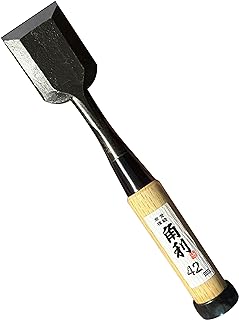
Wood chisels are designed for controlled cutting and paring of timber. They are commonly used for joinery, mortises, trimming, carving-related work and general woodworking. Their blades are normally ground for a cutting edge rather than for absorbing repeated heavy hammer blows.
When comparing wood chisels, pay attention to blade thickness, edge geometry, handle design, steel quality and whether the handle is intended for light hand pressure or striking. A woodworking chisel should not automatically be treated as a general-purpose demolition tool.
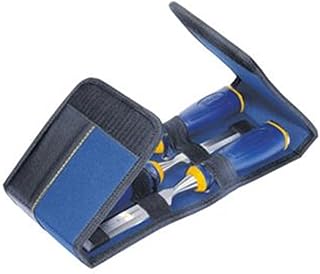
Bench chisels are versatile woodworking chisels intended for general workshop use. They are useful for tasks such as cleaning joints, paring timber, fitting hardware and removing small amounts of material.
For a home workshop, a small selection of useful widths is often more practical than purchasing a large set containing many sizes that will rarely be used.
Mortise chisels have traditionally been designed with robust blades for cutting mortises in wood. Their heavier construction makes them better suited to controlled striking than many lightweight bench chisels.
If your main project involves furniture making or traditional joinery, compare the blade profile and thickness carefully rather than selecting a set simply because it contains more pieces.
Cold chisels are intended for cutting or shaping metal and other hard materials with appropriate technique. They are commonly associated with workshop and fabrication tasks rather than fine woodworking.
The cutting angle and hardness are important because a chisel that is too soft may deform, while one that is unsuitable for the application can chip or fail under impact.
Masonry chisels are designed for materials such as brick, mortar and masonry. Depending on the design, they may be used manually or as accessories for powered equipment.
For occasional household repairs, a basic hand masonry chisel may be sufficient. For renovation or demolition, the correct machine-compatible chisel can be substantially more efficient.
A pointed chisel concentrates impact into a relatively small area. This makes the design useful when the objective is to initiate a break, penetrate hard masonry or concentrate force during demolition work.
Pointed machine chisels are particularly dependent on shank compatibility. Never assume that a chisel advertised for a rotary hammer or breaker will fit every machine.
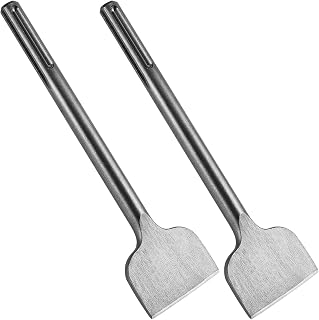
Flat chisels have a wider cutting edge than pointed versions. They are useful for breaking, trimming, removing material and working across a broader area.
When comparing flat chisels, look beyond overall length. Cutting-edge width, shank configuration and intended machine class can have a greater practical effect on suitability.
Tile chisels are shaped to assist with tile removal and related renovation tasks. Their geometry can help separate tiles and mortar while limiting the need to use an unsuitable general-purpose accessory.
If you are removing bathroom or kitchen tiles, consider whether the tool will be used manually or with a rotary hammer. The two applications require different product categories.
Some specialised chisels are designed to create channels or remove material in a controlled path. These can be useful during renovation work involving brick, concrete or masonry.
Specialised accessories should be selected according to the exact application rather than purchased solely because they appear more advanced than a conventional flat or pointed chisel.
One of the most important purchasing decisions is determining whether you need a hand-operated chisel or an accessory for a powered tool.
The distinction matters because a high-quality hand chisel cannot compensate for an incompatible power-tool interface. Before ordering, identify the exact machine model and confirm the required accessory interface in its documentation.
Machine chisels are commonly sold with different shank systems. SDS Plus and SDS Max are not interchangeable simply because both are associated with rotary hammers. Larger demolition equipment can also use hexagonal shank systems in different sizes.
SDS Plus accessories are widely associated with lighter rotary-hammer applications. They can be suitable for drilling and chiselling tasks where the machine is designed for that interface.
SDS Max is a larger accessory interface commonly associated with heavier rotary hammers and more demanding chiselling work. It should only be used with equipment designed for SDS Max accessories.
Heavy-duty breakers may use hexagonal shank systems. However, the size of the hex interface matters. A 17 mm, 22 mm, 28 mm or 30 mm system should not be treated as universally compatible.
Best practice: check the tool's manual or manufacturer specifications before buying the chisel. Do not rely only on photographs or a seller's generic statement that an accessory is suitable for a "hammer drill."
Steel quality is one of the less visible factors separating an inexpensive chisel from a dependable one. A chisel needs a useful balance between hardness and toughness. Excessive hardness can make an edge or tip vulnerable to chipping, while insufficient hardness can lead to rapid deformation.
Heat treatment affects the mechanical properties of the working portion of the tool. For impact applications, the ability to withstand repeated blows is especially important.
Edge retention matters most in cutting applications. A woodworking chisel that requires constant sharpening can become frustrating even if its initial purchase price is low.
Toughness helps the tool tolerate impact without brittle failure. This is particularly important for chisels designed to be struck or used with powered demolition equipment.
A polished or attractive surface does not automatically indicate superior performance. Examine the functional specifications, edge geometry, shank design and intended application instead of choosing solely on appearance.
There is no universally best chisel width. The correct size depends on the job.
For woodworking, buying a small number of frequently useful widths is generally more practical than selecting a set based purely on piece count.
Length affects reach, leverage, control and access. A longer accessory can be useful where additional reach is necessary, but it may not always be the easiest option for precision work.
For powered chiselling, make sure the total length and working geometry are appropriate for the machine and application. For hand chisels, consider how the length of the blade and handle affects control.
When selecting a hand chisel, the handle deserves as much attention as the blade. A comfortable handle can make repeated work considerably easier.
Professionals should evaluate chisels differently from occasional DIY users. Frequent use increases the cost of downtime, sharpening, replacement and tool failure.
A professional-grade option should be assessed for consistency, suitable steel properties, predictable geometry, compatible dimensions and availability of replacements. Brands such as Bosch Professional, Stanley, DEWALT, Makita, Taparia and other established tool manufacturers can be worth comparing, but the brand name should never replace checking the actual specification.
Indian buyers may encounter products from established international and domestic tool brands as well as lesser-known manufacturers. Common names worth comparing include Bosch Professional, Stanley, DEWALT, Makita, Taparia, Ingco and similar established tool suppliers.
This does not mean every chisel from one brand is automatically better than every alternative. Tool ranges vary significantly by application and price level. Compare the individual product's material, dimensions, interface, intended use and customer feedback before choosing.
When comparing several candidates, use the same criteria for each product rather than relying on headline ratings.
A chisel can receive excellent ratings from buyers using it for a completely different purpose from yours. A DIY user removing a few tiles has different requirements from a carpenter performing daily joinery or a construction worker carrying out repeated demolition.
When reading reviews, look for comments about the specific application. Useful review information includes edge durability, fit, dimensions, handle comfort, resistance to deformation and whether the product matches the published specification.
Be cautious of reviews that discuss only packaging, delivery or first impressions. Those comments may say little about long-term tool performance.
Online listings can make different products look similar. Before placing an order, inspect the complete specification rather than selecting from the product photograph alone.
The lowest price can be misleading when the tool is used regularly. A chisel that loses its edge quickly or does not tolerate impact may cost more over time through repeated replacement.
This is one of the most serious mistakes when purchasing machine chisels. Confirm the interface before ordering.
Not every woodworking chisel is designed to absorb repeated heavy impact. Use tools according to their intended construction.
A large set is not automatically better value. If most of the included sizes are rarely used, a smaller selection of quality tools may be more useful.
A pointed chisel and a flat chisel perform different functions. Selecting the wrong geometry can make a suitable machine appear ineffective.
Rotary-hammer accessories can look similar in online photographs. Confirm whether the product is intended for drilling, chiselling or both.
Two products can both be described as flat chisels while having substantially different widths and lengths. Always compare the measurements.
For woodworking, prioritise edge quality, sharpening characteristics, blade geometry and handle control. A balanced set of common widths is generally more useful than a large collection of specialised sizes.
If your work involves fine joinery, the ability to maintain a precise edge should receive significant weight in the buying decision. If the tool will also be struck frequently, select a model specifically designed for that use.
For concrete and brick, choose a masonry or machine chisel designed for the intended equipment. Pointed designs can be useful for concentrating impact, while flat designs are useful for broader removal and trimming work.
The machine's compatibility, power class and accessory interface should be checked before considering brand or price. An otherwise excellent accessory is not a good value purchase if it is incompatible with the equipment you already own.
Tile removal typically benefits from a suitable flat or specialised tile-removal accessory, depending on the equipment. The objective is to separate tile and adhesive efficiently without selecting an accessory that is unnecessarily aggressive for the surface.
For renovation projects, consider the material beneath the tile as well as the tile itself. Excessive impact can damage substrates, pipes or other concealed components.
Metalworking requires chisels specifically intended for metal cutting and shaping. The material being worked, thickness, cutting geometry and striking method all influence the appropriate choice.
Do not substitute a woodworking chisel merely because it has a sharp edge. Metalworking places different demands on the tool.
For occasional household work, versatility is often more valuable than extreme durability. A carefully selected hand chisel, masonry chisel or compatible machine accessory can cover common repair tasks without requiring a large professional tool collection.
Think about the work you are actually likely to perform over the next year. Buying several specialised tools before you have a practical need for them can provide less value than purchasing one reliable general-purpose tool.
Chisels can produce sharp fragments, flying debris and significant impact forces. Appropriate protective equipment and safe working practices are essential.
A quick inspection can identify problems before they become safety issues.
Good maintenance can extend the useful life of a quality chisel. Maintenance requirements differ between woodworking, metalworking and powered masonry accessories.
Remove dust, dirt and material residue after use. For metal tools, keeping moisture away from exposed steel can help reduce corrosion.
Do not throw sharp woodworking chisels together in a drawer where their edges can collide. Individual protection or organised storage helps preserve the edge.
Woodworking chisels can normally be maintained through appropriate sharpening methods. Use a consistent sharpening process and maintain the intended bevel geometry rather than repeatedly changing the angle without reason.
Aggressive grinding can generate excessive heat and potentially alter the properties of the steel. Follow appropriate sharpening and maintenance practices for the particular tool.
There is no universal replacement interval. A chisel's service life depends on its material, design, workload, maintenance and working environment.
Replace or retire a chisel when it develops damage that cannot safely or practically be corrected. Signs can include severe deformation, cracking, excessive wear, unsafe handles or a damaged machine interface.
A set can provide excellent value when the included sizes match your actual needs. For a woodworking starter collection, prioritise commonly used widths. For machine chisels, a combination of pointed and flat options may be useful when the equipment and application justify both.
Before buying a set, calculate how many pieces you genuinely expect to use. A five-piece set with useful sizes can be a better purchase than a larger set containing several redundant accessories.
Many parts of India experience periods of high humidity, heavy monsoon moisture or substantial temperature variation. Carbon-steel and other ferrous tools can develop surface corrosion if stored damp.
After using a chisel in wet or humid conditions, dry it thoroughly before storage. Avoid leaving tools exposed to rain, condensation or damp workshop floors. A dry toolbox or organised cabinet is preferable to loose storage in an exposed environment.
Budget options can make sense for occasional household tasks where the expected workload is low. Focus on basic construction, correct dimensions and suitability rather than expecting professional-level longevity.
For many home workshops and frequent DIY users, the mid-range segment can provide a sensible balance between cost, durability and performance. This is often the category worth examining most carefully when the goal is value rather than simply minimum purchase price.
Premium chisels become easier to justify when the tool is used frequently, downtime is expensive, precision is important or the application places substantial demands on the accessory.
Product specifications can appear confusing when several dimensions are presented together. Concentrate on the specifications that directly affect compatibility and performance.
If two products look nearly identical, create a simple side-by-side comparison. Start with compatibility, then application, dimensions, material and expected workload. Only after those factors match should price become the deciding factor.
For example, if two flat machine chisels fit the same interface, compare their cutting width, length, intended material and manufacturer's stated performance characteristics. For hand chisels, compare blade thickness, edge quality, handle design and sharpening characteristics.
There is no single best chisel for every Indian buyer. The right choice depends on whether you need a woodworking chisel, masonry chisel, cold chisel, tile chisel or powered demolition accessory. Start with the intended application and compatibility, then compare quality and price.
Established brands such as Bosch Professional, Stanley, DEWALT, Makita and Taparia are worth comparing, along with other reputable manufacturers. However, brand reputation should not be used as a substitute for checking the individual product's specifications and intended application.
They can be worthwhile for frequent users, professionals and applications where durability, consistency and edge performance matter. For occasional DIY work, a dependable mid-range option may provide better overall value.
Not necessarily. A set is useful when you need multiple sizes. If you only require one specific size, an individual chisel can avoid paying for unused pieces.
Only if the particular woodworking chisel is designed for striking. Some chisels are intended primarily for controlled hand pressure and should not be subjected to repeated heavy blows.
A pointed chisel concentrates impact into a small area, while a flat chisel distributes the working edge across a wider area. The appropriate choice depends on the material-removal task.
An SDS Plus chisel is a powered accessory designed for compatible SDS Plus equipment. The interface allows the accessory to transfer impact from the machine while remaining removable for changing accessories.
An SDS Max chisel is a larger powered accessory designed for compatible SDS Max equipment and applications requiring the corresponding machine and accessory class.
Do not assume compatibility. SDS Plus and SDS Max are different accessory systems. Use the interface specified for the particular machine unless the manufacturer explicitly provides a compatible solution.
Check the manufacturer's stated application and confirm that the chisel is designed for concrete or masonry. For powered chisels, also confirm that the shank and accessory type match the rotary hammer or breaker.
Store them clean and dry, protect sharp edges where practical, and avoid damp locations. In humid conditions, additional attention to corrosion prevention is useful.
Sharpening frequency depends on the wood, cutting technique, edge geometry and workload. Sharpen when the edge no longer performs cleanly rather than following a fixed calendar interval.
Prioritise verified feedback describing actual use. Comments about edge retention, durability, fit, dimensions, handle comfort and performance on the intended material are generally more useful than comments limited to packaging or delivery.
Some budget chisels can be suitable for occasional, light-duty tasks. The important point is to match expectations with workload and to avoid using a tool outside its intended application.
The best value chisel is the one that fits the job rather than the one with the lowest advertised price or the largest number of pieces. Start by identifying the material, application and frequency of use. If the chisel will be used with a rotary hammer or breaker, confirm the exact shank system before comparing anything else.
For woodworking, prioritise blade geometry, steel quality, sharpening characteristics and handle control. For masonry and demolition, prioritise compatibility, accessory geometry, dimensions and suitability for the machine's workload. For occasional DIY projects, a reliable mid-range product can often provide a sensible balance between cost and performance.
When comparing products for purchase in India in 2026, check the latest specifications, current customer feedback and today's pricing before making a final decision. Product ranges, pack sizes, sellers and availability can change, so verify the exact model rather than relying on an older comparison or a product photograph.
A thoughtful comparison of application, construction, dimensions, compatibility, durability and total ownership value will give you a much better chance of choosing a chisel that performs reliably for the work you actually intend to do.