

♥ Wishlist
Compare 40 verified Mitre Saw for Accurate Crosscuts and Angled Cuts products in India. Reviews, ratings, pros, cons and buying advice updated for October 2026.


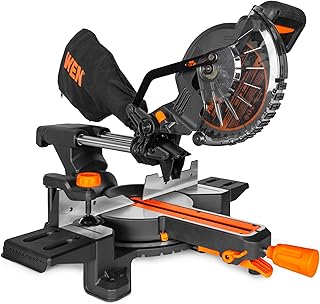


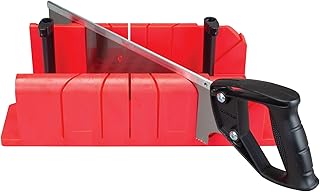


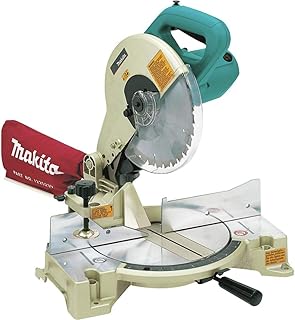
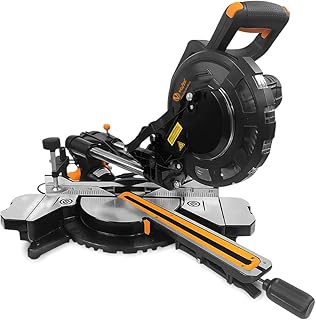


A good-value mitre saw is not necessarily the cheapest model on the market. For Indian buyers, value is better judged by the balance between cutting capability, motor performance, accuracy, construction quality, available features, replacement accessories, and the type of work the saw will actually perform. A compact saw can be excellent for occasional DIY projects, while a more substantial compound or sliding mitre saw may make considerably more sense for repeated woodworking, furniture work, carpentry, renovation, or professional site use.
Before choosing a model, identify the materials you expect to cut, the maximum board dimensions you need to handle, how frequently you will use the machine, and whether portability matters. Brands such as Bosch, Makita, DEWALT, Stanley and BLACK+DECKER have product ranges covering different levels of woodworking and workshop requirements, but the appropriate model depends on its actual specifications rather than the brand name alone.
Value comes from useful capability rather than a long specification sheet. A mitre saw that offers features you will never use may represent poor value, while a simpler machine with dependable adjustment mechanisms and suitable cutting capacity can be a better purchase.
A standard mitre saw is designed primarily for crosscuts and angled mitre cuts. It can be an efficient choice for basic trim work, framing-related tasks and general woodworking where bevel cuts are not regularly required.
A compound mitre saw adds bevel adjustment, allowing the blade to tilt as well as rotate for mitre cuts. This makes it more versatile for applications involving compound angles, moulding and certain furniture or joinery tasks.
A sliding compound mitre saw adds a sliding mechanism that increases crosscut capacity. This can be particularly useful when working with wider boards. However, the additional mechanism can increase the machine's size, weight and complexity, so it is worth paying for only when the extra capacity is useful.
A single-bevel machine tilts in one direction, while a double-bevel model can tilt in both directions. Double-bevel adjustment can save time when making repeated compound cuts because the workpiece does not always need to be repositioned.
One of the most common buying mistakes is concentrating on motor power while overlooking cutting capacity. A saw can have an impressive motor specification yet be unsuitable if its maximum crosscut or bevel capacity does not accommodate your workpieces.
When comparing mitre saws in India, examine the manufacturer's stated capacity at different angles. Cutting capacity can change substantially when the blade is positioned at a mitre or bevel angle. A specification describing only the maximum straight crosscut does not tell the whole story.
Motor wattage can be useful for comparing machines within a similar category, but it should not be treated as a standalone measure of cutting performance. Blade design, gearing, cutting depth, material hardness and the machine's overall design all affect practical performance.
For occasional softwood cutting, excessive power may add cost and weight without providing meaningful benefits. For frequent cutting or demanding workloads, a machine designed for sustained use may be more appropriate. Always compare the manufacturer's specifications for the complete machine rather than assuming that the highest wattage automatically represents the best choice.
Blade diameter is directly related to the cutting system's intended capacity. Different mitre saws are designed around particular blade sizes, so buyers should not assume that a larger blade can be installed simply because it appears physically compatible.
Tooth count and tooth geometry also influence the type of cut. A blade intended for fast rough cuts may not produce the same finish as a blade designed for finer woodworking. If appearance matters, blade selection can be just as important as the saw itself.
Accuracy is central to a mitre saw's usefulness. Even a powerful machine becomes frustrating if the fence, mitre table or bevel mechanism is difficult to adjust or does not remain securely positioned.
Look for a clearly marked mitre scale, positive stops at commonly used angles and adjustment controls that can be locked firmly. The fence should provide consistent support for the workpiece, while the pivot mechanism should move smoothly without excessive looseness.
For repetitive production work, repeatability can matter more than achieving an isolated perfect cut. A saw that allows the same angle to be selected and locked consistently can save considerable setup time.
The fence is sometimes overlooked during product comparisons, yet it has a major role in supporting material during cutting. A stable fence helps keep the workpiece correctly positioned relative to the blade.
When assessing a model, consider the height and design of the fence, whether the fence arrangement accommodates the material you typically use, and whether the structure appears appropriate for the machine's intended cutting capacity.
The main reason to choose a sliding mitre saw is increased crosscut capacity. If you regularly cut wider boards, the sliding action can be considerably more useful than simply upgrading to a more powerful non-sliding machine.
However, sliding rails add another mechanical system that needs to remain properly aligned and maintained. Buyers who primarily cut narrow stock may find a non-sliding compound saw simpler and more economical.
Wood cutting produces airborne dust and chips, making dust management an important workshop consideration. A dust port can be connected to a compatible extraction system, although the effectiveness of dust collection varies according to the machine, blade, material and extraction setup.
If the saw will be used indoors, consider the extraction arrangement before buying. Good workshop practice should include appropriate ventilation, suitable respiratory protection where necessary, and regular cleaning of the machine and surrounding work area.
A mitre saw is a high-speed cutting machine and should be treated accordingly. Safety features should be evaluated before price, appearance or convenience features.
Mitre saw suitability depends on the specific blade and machine specifications. Many woodworking applications involve timber and manufactured wood products, but buyers should never assume that every mitre saw is suitable for every material.
Softwood and hardwood can require different blade choices and cutting approaches. Dense hardwood can place greater demands on the blade and machine than lightweight softwood.
Clean cuts in plywood and similar panels depend heavily on blade selection. A suitable fine-tooth blade can be preferable where the cut edge will remain visible.
MDF can generate substantial fine dust during cutting. Appropriate extraction and respiratory protection are particularly important when working with dusty sheet materials.
Do not assume that a blade intended for timber is appropriate for plastic, aluminium or other materials. Always verify compatibility in the manufacturer's instructions and use a blade specifically designed for the intended application.
Positive stops allow commonly used angles to be selected quickly and repeatedly. They are particularly valuable for trim and production-style work.
Some mitre saws provide a laser or other cut-line indication. This can help with positioning, although it should not replace proper measurement, blade alignment and safe operating technique.
Integrated lighting can improve visibility around the cutting area, especially in workshops where ambient lighting is inconsistent.
A soft-start system can make startup more controlled by reducing the abruptness associated with switching on some high-powered tools.
Where provided, an electric brake can help bring the blade to a stop more quickly after the trigger is released. Buyers should consult the manufacturer's specifications to determine whether this feature is included.
Integrated or compatible side supports can be useful when handling longer boards. Even when they are not included, a stable external support arrangement can make longer workpieces easier and safer to manage.
For occasional DIY work, avoid paying for professional-grade capacity that will rarely be used. A compact standard or compound model may be sufficient for picture frames, small furniture projects, trim work and general household woodworking.
The priorities for a DIY buyer should usually be straightforward controls, adequate cutting capacity, reliable angle adjustment, manageable weight and reasonable blade availability. A simple machine that is easy to set up can be more useful than a feature-heavy model that spends most of its life unused.
Regular users should place greater emphasis on repeatability, adjustment quality, cutting capacity and durability. A compound or sliding compound design may provide the flexibility required for a broader range of jobs.
For frequent professional use, also consider how easily the machine can be transported, how workpieces are supported, what extraction setup is practical, and whether compatible consumables can be obtained conveniently in India.
A compact machine can be attractive for smaller workshops because it occupies less space and may be easier to transport. The trade-off is usually lower cutting capacity.
A larger machine may accommodate wider and thicker material, but it also requires more bench or floor space. Before purchasing, measure the intended workspace and allow sufficient clearance for the saw's movement, material support and operator access.
Corded mitre saws can make sense for fixed workshop locations where reliable mains electricity is available. Battery-powered models can offer greater mobility, particularly for construction and renovation work where access to power is inconvenient.
Battery systems also introduce additional considerations, including battery cost, charger compatibility, runtime and the need to remain within a particular manufacturer's battery platform. Compare the complete system cost rather than judging the bare tool price alone.
Brand comparison is useful, but the model specifications should ultimately determine the purchase. A premium brand's entry-level machine may not provide more useful capability for a particular application than a competing mid-range model.
The best comparison is therefore model against model, not logo against logo. Check the current manufacturer's specifications and verified customer feedback before making a purchase.
There is no single correct budget because the appropriate spending level depends on usage. A person making occasional home projects has very different requirements from a carpenter using the saw every working day.
When checking prices in India, compare the complete package. A low headline price may not include the blade, stand, additional supports or batteries required for practical use.
Before ordering a mitre saw online, create a short specification checklist. This reduces the chance of choosing a machine based primarily on photographs or promotional descriptions.
The lowest purchase price does not necessarily provide the lowest overall cost. If a machine lacks the required capacity or accuracy, replacing it later can make the initial saving insignificant.
The opposite mistake is purchasing a large professional machine for occasional small projects. Extra capacity can mean additional weight, workspace requirements and expense without providing meaningful everyday benefits.
The blade is a consumable component and directly influences cutting quality. Include suitable replacement blades in your ownership budget.
A sliding saw can require considerable space behind or around the machine depending on its rail arrangement. Measure the complete working area before purchasing.
Motor input is only one specification. Cutting capacity, blade characteristics, mechanical design and intended workload are equally important.
Blade diameter and bore dimensions must match the saw's requirements. Never install a blade simply because it looks physically suitable.
When purchasing imported or marketplace-listed tools, verify the electrical specifications and compatibility with the intended Indian power supply before purchase.
Cut quality depends on more than the saw. Use a suitable sharp blade, support the workpiece properly and allow the machine to reach operating speed before beginning the cut.
For visible woodworking joints, measure carefully and test the setup on scrap material before cutting expensive stock. Small inaccuracies in angle or material positioning can become obvious when multiple pieces must meet precisely.
Regular maintenance helps preserve accuracy and safe operation. Always follow the maintenance instructions supplied with the specific model.
A blade should be replaced or professionally serviced when it is damaged, excessively worn or no longer produces the required cut quality despite appropriate setup. Burning, rough cuts, excessive resistance or visible blade damage can indicate that the blade requires attention, although these symptoms can also result from incorrect blade selection or cutting technique.
Do not continue using a blade that appears damaged. Select replacement blades according to the manufacturer's specifications and the intended material.
A mitre saw is designed primarily for controlled crosscuts and repeatable angled cuts, while a circular saw is generally more versatile for breaking down large sheets and making longer freehand or guided cuts.
If your work consists mainly of repeated crosscuts, trim pieces and accurate angle cuts, a mitre saw can be more convenient. If you regularly cut full-size sheet goods or need a highly portable general-purpose saw, a circular saw may be more appropriate.
These tools serve different roles. A mitre saw excels at crosscutting and angled cuts, while a table saw is designed around controlled ripping and other operations involving material passed across a stationary blade.
A workshop that performs a wide variety of woodworking tasks may eventually benefit from both, but buyers starting with one power saw should select the tool that matches their dominant cutting requirements.
For occasional small cuts, a quality hand saw requires less setup, produces no electrical noise and takes little storage space. A mitre saw becomes more compelling when speed, repeatability and consistent angles are important.
Online shopping makes specification and price comparison convenient, but it also requires careful checking. Product titles can be shortened, marketplace listings can change and photographs may not show every included accessory.
Customer reviews can provide useful information, but they should be interpreted alongside technical specifications. Look for recurring comments about accuracy, setup, build quality, vibration, dust extraction, packaging and suitability for the reviewer's workload.
Give less weight to reviews that provide no details about how the tool was used. A person who cuts a few small pieces of softwood occasionally may have a very different experience from someone using the machine for continuous professional work.
Use this checklist when comparing the shortlisted mitre saws on this page. It helps separate genuinely useful features from specifications that sound impressive but may not matter for your work.
A sliding compound mitre saw is most attractive to buyers who regularly need a combination of wider crosscuts and angled or bevelled cuts. It can be particularly useful for larger woodworking projects where a conventional non-sliding saw reaches its capacity too quickly.
For users who mainly cut narrow trim, small boards or modest-sized components, the additional sliding mechanism may not justify the additional size and cost.
A compound model without sliding functionality can be a strong middle ground for buyers who need bevel capability but do not regularly work with wide boards. It can provide useful versatility without requiring the full size and complexity of a sliding machine.
A mitre saw may not be the right first power tool if your projects primarily involve long rip cuts, large sheet breakdown or operations better suited to a circular saw or table saw. Likewise, someone who performs only a handful of simple cuts each year may find a hand-operated solution more practical.
The best value mitre saw for your needs is the model that delivers the required cutting capacity, accuracy and versatility without paying for capabilities you will not use. Start with your workpieces and cutting tasks, then compare machine type, blade size, capacity, mitre and bevel adjustment, motor specifications, safety features, portability and dust management.
For occasional DIY work, simplicity and ease of use can be more valuable than maximum capacity. For regular woodworking, repeatability and adjustment quality become increasingly important. For professional users, long-term suitability, capacity, transportability, consumables and service considerations deserve greater attention.
Before purchasing, compare the exact model specifications, read verified customer feedback, check the latest retailer information and confirm that the machine is suitable for your intended electrical and working environment in India. Prices, stock status, bundled accessories and seller terms can change, so verify those details immediately before placing an order.
There is no universal best model because value depends on the user's workload, material size, required angles, workshop space and budget. Compare cutting capacity and practical features first, then use current customer feedback and pricing to make the final choice.
Not necessarily. A sliding model is better when you need its additional crosscut capacity. If you mostly cut narrower material, a conventional compound mitre saw can be simpler and more economical.
It can be worthwhile for homeowners who regularly perform woodworking, trim installation or DIY projects involving angled and bevel cuts. For very occasional straight crosscuts, a simpler saw may be sufficient.
Choose a blade size specified for the particular mitre saw. The correct diameter and bore dimensions are determined by the machine's design, and cutting capacity should be checked at the same time.
No. Motor power is only one part of the comparison. Cutting capacity, blade design, mechanical construction, adjustment quality and intended workload all influence whether a machine is appropriate.
Many woodworking mitre saws can be used for suitable plywood applications when fitted with an appropriate blade and operated according to the manufacturer's instructions. Blade selection is important for achieving a clean edge.
A suitable woodworking mitre saw and blade may be used for MDF when permitted by the manufacturer. MDF can produce significant fine dust, so effective extraction and appropriate protective equipment are important.
Not always, but a stable stand or suitable workbench can make longer material easier to support. The key requirement is a secure, level working setup with adequate support for the material.
Price alone does not guarantee accuracy. Compare the quality of the adjustment system, fence design, locking mechanisms, construction and manufacturer specifications rather than assuming cost directly equals precision.
Follow the maintenance and inspection schedule supplied by the manufacturer. Frequency can also depend on how often the machine is used, the environment and the materials being cut.
Verify the exact model number, cutting capacity, blade specifications, motor details, mitre and bevel ranges, included accessories, dimensions, weight, electrical requirements and applicable warranty information. Also compare verified customer feedback and current retailer terms.
Yes, models designed for professional workloads can be useful for carpentry and construction applications. Professional buyers should place particular emphasis on repeatability, capacity, durability, portability, dust management and the availability of compatible consumables.
Choose corded operation when the saw will mainly remain in a workshop with convenient mains power. Cordless operation can be useful for mobile work, but the total cost and practicality of the compatible battery platform should be considered.
Use the specifications, verified customer feedback and current purchasing information available for each shortlisted model to make the final comparison. The strongest value choice is the one that matches your actual cutting requirements rather than simply the model with the longest feature list or the lowest advertised price.