

♥ Wishlist


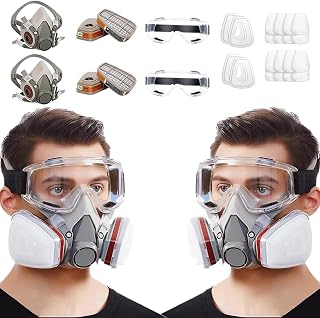


Face mask filters are replaceable or removable filtration components designed for use with compatible reusable face masks. They can help improve the filtration setup of a suitable mask by adding a dedicated filter layer between the wearer and the surrounding air. For shoppers in India, choosing the right filter means looking beyond appearance and price. Compatibility, filtration specifications, fit, breathability and intended use all matter when comparing options.
When shopping for face mask filters online, first identify the mask or filter pocket for which the product is designed. Different reusable masks can use different shapes and filter dimensions. A filter that does not fit securely may leave gaps or make the mask uncomfortable. Therefore, check the product specifications and compare them with your existing mask before placing an order.
Compatibility should be one of the first considerations when selecting a replacement filter. Some filters are made for specific reusable mask designs, while others may use standard shapes or dimensions. Look for information about filter size, shape, installation method and supported mask types. If the manufacturer provides replacement guidance, follow it carefully.
A properly fitted filter should sit correctly within the mask without folding excessively or blocking the intended airflow path. It should also remain secure during normal use. Because mask designs vary, avoid assuming that every filter will work with every reusable face covering.
Face mask filters can differ in construction, filtration material, thickness and intended application. Some are designed as disposable replacement inserts, while others may be made for particular reusable respiratory protection systems. The appropriate choice depends on the mask design and the level of protection specified by the product manufacturer.
Some shoppers may search for terms such as replacement mask filters, reusable mask filters, dust mask filters or PM2.5 mask filters. These terms can describe different products, so always review the actual specifications rather than relying only on a search label. A filter intended for particulate protection should not automatically be treated as protection against gases, vapours, chemicals or biological hazards unless the product documentation specifically states this.
Filtration performance and breathability can influence the overall wearing experience. A filter should be selected according to the application for which it was designed. For routine commuting or outdoor use, shoppers may focus on compatibility and particulate filtration specifications. For work environments involving dust or other hazards, use a properly certified respiratory protection product that matches the specific workplace risk.
Do not rely on a generic face mask filter as a substitute for certified respiratory protection when the environment requires a specific protection standard. Product descriptions, manufacturer instructions and relevant certification information should guide your choice.
Start by checking the mask model or filter pocket dimensions. Next, review the filter material and stated filtration performance. Then consider how frequently the filter is expected to be replaced and whether the product is disposable or reusable. Finally, check the quantity supplied in the pack so you can compare the practical value of different options.
For regular use, keeping compatible replacement filters available can make mask maintenance more convenient. However, filters should be replaced according to the manufacturer's instructions and whenever they become damaged, contaminated, difficult to breathe through or otherwise unsuitable for continued use.
Different shoppers may have different reasons for looking for replacement filters. Commuters may want convenient replacement inserts for a reusable mask. Outdoor users may look for particulate filtration options suitable for their mask design. Workers may require filters that are specifically approved for a compatible respirator and workplace hazard.
For any specialised application, always prioritise the protection standard and manufacturer's instructions over general product claims. A filter's effectiveness depends on the complete mask or respirator system, proper fit and correct use. Selecting a compatible filter is therefore only one part of responsible respiratory protection.
When comparing face mask filters online in India, pay attention to compatibility, dimensions, filtration claims, pack quantity, replacement guidance and intended use. Reading the product specifications before ordering can help reduce the risk of purchasing an unsuitable filter. It is also useful to check whether the filter is intended for a particular mask model or reusable mask design.
Whether you need replacement inserts for regular use or filters for a compatible protective mask, choosing according to documented specifications can make online shopping easier. Compare available options carefully and select the filter that matches your mask and intended application.
Explore face mask filters for reusable and compatible protective masks. Compare filter types, compatibility, fit and intended use to find a suitable option for everyday needs in India.