

♥ Wishlist

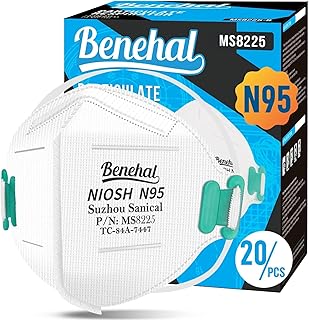


N95 masks are designed to form a close seal around the face while filtering airborne particles. They are different from loose-fitting disposable face coverings because a properly fitted respirator is intended to reduce the amount of particles that can enter around the edges as well as through the filter material. This makes N95 respirators relevant for situations where exposure to fine airborne particles is a concern.
When shopping for N95 masks in India, consider the environment in which the mask will be used. Urban pollution, construction dust, renovation work and other dusty surroundings can create different requirements. A mask should match the intended application and should always be used according to the manufacturer's instructions.
Fit is one of the most important factors when selecting an N95 respirator. The mask should sit securely over the nose, mouth and chin without obvious gaps. Facial hair, facial shape and incorrect positioning can affect the seal. If a mask includes adjustable nose features or straps, use them according to the manufacturer's instructions to achieve a secure fit.
Also check the product information before purchasing. Look for clearly stated filtration specifications, manufacturer details, model information and applicable standards or approvals where relevant. Avoid relying only on marketing phrases such as “high protection” or “maximum filtration” without checking the actual product documentation.
N95 respirators are primarily associated with filtering airborne particles. People may consider them for environments containing fine dust or particulate matter. However, N95 respirators are not designed to protect against every type of airborne hazard. They should not automatically be treated as protection against gases, vapours or chemical fumes unless the specific respirator is designed and approved for that purpose.
If you need to wear a respirator for an extended period, comfort becomes important. Compare strap construction, nose fit, mask shape and available sizing information. A comfortable mask is easier to keep correctly positioned. Breathability can also affect the wearing experience, although a respirator should not be selected solely on comfort at the expense of the required protective specifications.
Many N95 respirators are intended for limited or single-use applications, depending on their design and the manufacturer's instructions. Do not assume that every N95-labelled product can be washed or reused. Always follow the care, storage and replacement guidance supplied with the specific product.
Before ordering, review the product description carefully. Check the stated standard, filtration classification, size, shape, strap style and intended application. Product packaging should provide appropriate manufacturer and model information. Buyers should also inspect masks when they arrive and avoid using products that appear damaged, contaminated, poorly constructed or inconsistent with the listed specifications.
Authenticity is particularly important when buying protective equipment. Extremely low prices, unclear product information or missing manufacturer details can be reasons to examine a listing more carefully. Where a specific certification or approval is important for your use, verify the relevant information through reliable documentation rather than relying on the product title alone.
India has varied climates and environments, from heavily populated cities to industrial areas, construction zones and rural locations. Dust and particulate exposure can therefore differ considerably between locations and activities. An N95 respirator may be appropriate for certain particle-related situations, but the correct selection depends on the actual hazard.
For hot and humid conditions, shoppers often pay attention to mask construction and wearing comfort. Even so, a respirator must continue to fit properly. If moisture, sweat or movement causes the mask to lose its seal, replace or adjust it according to the manufacturer's instructions.
Wash or clean your hands before handling a respirator. Position it carefully over the nose and mouth and follow the manufacturer's fitting instructions. Check for obvious gaps and make sure the straps are positioned correctly. Do not wear the mask below the nose when respiratory protection is required.
Replace the respirator when it becomes damaged, excessively dirty, difficult to breathe through, or otherwise unsuitable according to the manufacturer's instructions. Storage also matters. Keep unused masks in a clean, dry location and follow the packaging guidance.
Comparing N95 masks online can help Indian shoppers review specifications, designs and intended applications before making a purchase. Focus on documented product information rather than appearance alone. Consider fit, filtration classification, manufacturer details, comfort and usage instructions together.
Whether you are looking for respiratory protection around dust or want a suitable respirator for a particular particle-related environment, selecting the right product starts with understanding the hazard and checking the specifications. Use the available product information to compare N95 masks and choose an option that matches your requirements.
N95 masks are specialised respirators designed to filter airborne particles and provide a close fit around the nose and mouth. They are commonly considered when people want additional protection from dust, fine particles and other airborne contaminants. For shoppers in India, choosing an N95 mask involves more than simply looking for the N95 label. Fit, filtration performance, comfort, construction, intended use and product authenticity can all matter when comparing options.