

♥ Wishlist
Compare 52 verified Cable Cutting Tools for Clean and Precise Cable Cutting products in India. Reviews, ratings, pros, cons and buying advice updated for October 2026.


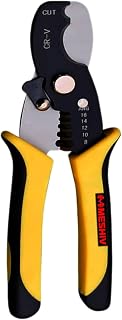


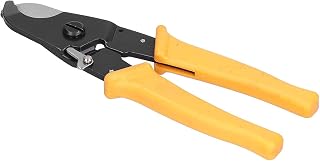


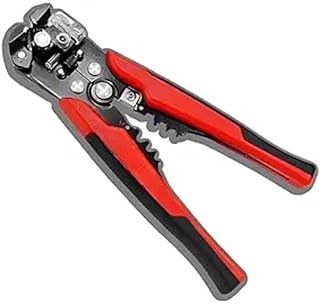


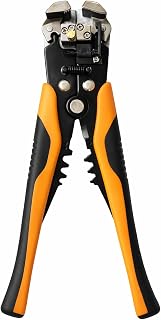


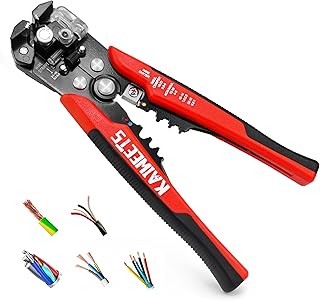


Choosing a cable cutting tool is less about finding the tool with the lowest price and more about matching the cutter to the cable type, conductor size, insulation, frequency of use and required cutting quality. A compact hand cutter may be perfectly suitable for household wiring, while larger copper or aluminium cables can require a purpose-built high-leverage cutter. Using an unsuitable tool can produce a rough cut, deform the conductor, damage insulation or make repetitive work unnecessarily tiring.
For buyers in India, the selection should also take account of metric cable sizes, commonly available tool designs, replacement availability and the type of electrical work being performed. Brands such as Knipex, Taparia, Stanley, Klein Tools and INGCO offer different approaches to cable cutting, from compact electrician's tools to heavier-duty cutters.
A cable cutting tool is designed to cut electrical cables, wires or conductors cleanly and with controlled mechanical force. Depending on its construction, a cable cutter may be intended for small single-core wires, flexible stranded conductors, communication cables, automotive wiring or larger copper and aluminium power cables.
The important distinction is between a general-purpose plier and a dedicated cable cutter. General combination pliers can cut smaller wires, but their cutting geometry may not be optimised for larger conductors. Dedicated cable cutters typically use shaped cutting edges and leverage that help the blades progressively penetrate the cable rather than simply crushing it.
The terms are sometimes used interchangeably, but they can describe different tool designs. A wire cutter is commonly intended for relatively small conductors and electronic or electrical wiring. A cable cutter is generally designed around a larger diameter or more demanding cable construction.
Before buying, check the manufacturer's stated cutting capacity rather than relying on the product name alone. A tool labelled as a wire cutter should not automatically be assumed to handle thick power cable.
Combination pliers are versatile because they can grip, bend and cut. However, versatility does not necessarily mean they are the best choice for repeated cable cutting. A dedicated cutter can provide a more appropriate blade profile and better leverage for its intended application.
For occasional household work involving small wires, a good combination tool may be sufficient. For repeated electrical installation, panel work, maintenance or professional cable preparation, a dedicated cable cutter can be a more practical choice.
Capacity is one of the most important specifications to check. Manufacturers may express capacity by cable diameter, conductor cross-section or by specifying particular cable constructions. These figures are not always directly interchangeable.
Do not select a cutter simply because its advertised maximum diameter appears large. A multi-strand flexible copper cable and a substantially different cable construction of the same outside diameter can require very different cutting effort.
Copper and aluminium conductors have different mechanical characteristics. A cutter designed for ordinary copper cable should not automatically be used on every type of aluminium cable. If aluminium conductors are part of the intended application, confirm compatibility in the manufacturer's specifications.
Stranded conductors consist of multiple individual wires and can behave differently during cutting compared with solid conductors. A properly designed cable cutter should provide a controlled shearing action that limits unnecessary deformation.
If the intended work involves flexible electrical cable, examine the stated application rather than judging suitability solely from the blade appearance.
The geometry of the cutting edges strongly influences cutting performance. Sharp, accurately aligned edges can enter the cable progressively and reduce the force required from the user.
Some cutters use a diagonal cutting arrangement, while dedicated cable cutters can have curved or specially shaped blades that partially surround the cable. The latter design can be particularly useful when working with larger round conductors.
Longer handles generally provide greater mechanical leverage, although they can make a tool less convenient in restricted spaces. Short-handled cutters are easier to carry and position but may require more hand force on larger cables.
For occasional domestic work, compactness may be more important. For repeated cutting of substantial cable, leverage should receive greater attention.
Handle comfort matters when a cutter is used repeatedly. Look for handles that provide a secure grip without creating uncomfortable pressure points. Textured or moulded grips can improve control, but a soft-looking handle should not be treated as evidence of superior cutting performance by itself.
Weight should be considered together with cutting capacity. A heavier professional cutter may provide greater leverage and durability, but a compact tool can be more convenient for an electrician who carries several tools throughout the day.
A good cable cutter should cut through its intended material in a controlled manner rather than forcing the user to repeatedly rock or twist the tool. Excessive deformation before separation is a useful warning sign that the cutter may be operating beyond its intended capacity.
Some compact cutters incorporate a locking mechanism that keeps the handles closed during storage. This can reduce the tool's footprint in a toolbox and protect the cutting edges from accidental contact with other equipment.
Look at the overall construction rather than focusing only on the blade. Important areas include the pivot, joint alignment, handle attachment, blade finish and general fit between moving components.
Indian electrical cables are commonly described using conductor cross-sectional area in square millimetres. This specification is different from the overall outside diameter of the finished cable.
For example, a cable described by a conductor size in mm² may have an outside diameter that varies according to insulation thickness, conductor construction and cable configuration. Consequently, buying a cutter solely from a cable's mm² designation without checking the cutter's actual capacity can lead to an incorrect choice.
When comparing products, identify both the conductor specification and the approximate physical cable diameter relevant to your work. If a manufacturer provides a specific capacity table, use that information as the primary reference.
The cutter physically engages with the outside of the cable, so the diameter affects whether the cable fits properly between the blades. A thickly insulated cable can have a larger outside diameter than a differently constructed cable with a similar conductor size.
Conductor cross-section gives useful information about the amount of metal being cut, but it does not completely describe the physical construction of the cable. Two cables with similar conductor areas may differ in flexibility, insulation and overall diameter.
Compact hand cutters are useful when portability and access are priorities. They can be suitable for smaller cables and routine electrical maintenance, provided the cable remains within the specified capacity.
High-leverage designs use longer handles or mechanical geometry to reduce the hand force needed for larger cables. They are generally more appropriate for frequent professional use where cutting effort is a significant consideration.
Ratchet cutters use a progressive cutting mechanism. Instead of relying entirely on one continuous squeezing motion, the mechanism advances the blade through the cable in stages.
This design can be particularly useful for larger conductors where a conventional hand cutter would require considerable force. The trade-off is increased mechanical complexity and a generally larger tool.
Powered cutting equipment is intended for applications where manual cutting would be inefficient or excessively demanding. Such tools can be appropriate for high-volume professional work, but they require more careful attention to specifications, maintenance and operating procedures.
Diagonal cutters are common electrician's tools and can be excellent for smaller wires. They are not a universal substitute for a dedicated cable cutter, particularly when working with thick conductors.
Multi-function tools may combine wire cutting with stripping, crimping or other functions. They can reduce the number of separate tools required for basic electrical work, but buyers should still check the cutting capacity and whether the cutter section is appropriate for the cable types being used.
Cable cutter blades need sufficient hardness to maintain a functional cutting edge while retaining adequate toughness. Manufacturers may use different grades and heat-treatment processes, so a generic claim such as “steel construction” provides limited information about actual performance.
Harder is not automatically better. A cutting edge needs a balance between hardness, toughness and correct geometry. Excessive hardness without suitable toughness can increase the risk of chipping, while inadequate hardness can contribute to premature edge wear.
The pivot is a high-load area because the handles transfer force through the joint into the cutting edges. Smooth movement, accurate alignment and a secure pivot are useful indicators when assessing overall construction quality.
Brand reputation can be useful as one part of a buying decision, particularly when specifications, replacement parts and product documentation matter. However, brand name should never replace checking the exact model's capacity.
Knipex is well known for professional pliers and cutting tools. Its catalogue includes electrician-focused tools and dedicated cable-cutting designs. Buyers should compare the precise model and capacity because the Knipex range includes tools intended for substantially different applications.
Taparia is a widely recognised Indian hand-tool brand with products aimed at electrical, mechanical and general workshop applications. For buyers prioritising local-market familiarity and broad availability, Taparia can be worth including in a comparison of suitable models.
Stanley offers a broad range of hand tools, including cutting and electrician-oriented tools. When considering Stanley, compare the exact cutter specification rather than assuming that every Stanley cutter is designed for heavy cable.
Klein Tools has a strong focus on professional electrical and utility tools. Its cable-cutting range includes designs aimed at demanding electrical applications. Buyers should check the intended conductor type and capacity for the specific model under consideration.
INGCO offers a broad selection of hand tools at different levels of specification. Its cable and wire cutters can be considered by buyers looking for additional options, but model-level capacity and construction should remain the deciding factors.
When two products appear similar, compare them specification by specification rather than relying on product photographs or headline descriptions.
The cheapest cutter may appear attractive for occasional use, but price alone does not indicate whether the blade geometry, capacity or joint construction is suitable. Conversely, buying the most expensive professional cutter is unnecessary if the intended work involves only small household wires.
This is one of the most consequential mistakes. If a cable exceeds the recommended capacity, excessive hand force can be required and the cutting edges can be subjected to loads they were not designed to handle.
Oversizing also has disadvantages. A large cutter can be cumbersome in electrical boxes, panels and confined work areas. If portability and precision matter, a smaller tool within the correct capacity range may be preferable.
These measurements describe different aspects of a cable. Always determine what measurement the tool manufacturer uses for its stated capacity.
Armoured cable may contain metallic components that require specialised cutting equipment. Do not use an ordinary copper-cable cutter for armour or steel reinforcement unless the manufacturer specifically states that the tool is designed for it.
Handle insulation should not be interpreted casually as protection against every electrical hazard. Tool insulation ratings, working conditions and electrical safety requirements must be checked carefully. A cutter should never be treated as permission to work on an energised circuit.
Online photographs can make two cutters look nearly identical even when their capacities differ considerably. Always prioritise the manufacturer's specification information and exact model number.
Cable cutters are sharp, high-force tools and should be used appropriately. Electrical work introduces additional hazards, so tool selection is only one part of safe working practice.
For occasional home maintenance, buyers generally benefit from a compact tool that comfortably exceeds the requirements of the wires they expect to cut. There is little benefit in carrying a large professional cutter for small electrical conductors if space and portability are priorities.
Look for a comfortable grip, smooth opening and closing action, clean blade alignment and a clearly stated cutting capacity. If the tool will only be used occasionally, a dependable general electrician's cutter can be more practical than a specialised heavy-duty model.
Electricians who use cutting tools regularly should give greater weight to ergonomics, durability and capacity. Repeated cutting amplifies small ergonomic disadvantages, so handle design and required hand force become increasingly important.
A professional toolkit may benefit from more than one cutter. A compact model can handle smaller wires and restricted spaces, while a dedicated high-leverage or ratchet cutter can be reserved for larger conductors.
Industrial environments can involve substantially different cable constructions and cutting frequencies. The correct tool should be selected according to the actual cable inventory rather than a generic “heavy duty” label.
For high-volume work, consider the number of cuts performed per day, operator fatigue, access conditions and whether a manual ratchet or powered solution would improve productivity. Where specialised cables are involved, manufacturer documentation becomes particularly important.
Wipe the blades after use and remove residue that could interfere with the cutting action. Avoid using unsuitable abrasive methods that could alter the blade geometry.
Check for excessive looseness, stiffness or abnormal movement. A poorly aligned pivot can affect how the cutting edges meet and may accelerate wear.
Avoid dropping the tool or storing it loose with heavy metal equipment that could strike the blades. Where provided, use the tool's locking mechanism or protective storage arrangement.
Improper sharpening can change the cutting profile and alignment. If the cutting edges become damaged or significantly worn, follow the manufacturer's guidance for servicing or replacement rather than attempting an aggressive DIY repair.
A cutter may need replacement or professional servicing when the blades no longer meet correctly, cutting requires unusual force despite working within the rated capacity, the pivot becomes excessively loose, or the cutting edges develop visible damage.
Do not continue using a tool simply because it can still complete a cut. Increasing resistance, deformation or poor blade engagement can indicate that the tool is no longer performing as intended.
A good value cable cutter is not necessarily the lowest-cost option. Value comes from getting the required capacity, suitable construction and useful ergonomics without paying for capabilities that will never be used.
A strong value pick should satisfy the buyer's actual application without major compromises. The ideal balance usually includes sufficient cutting capacity, reliable blade alignment, manageable hand force, comfortable handles and construction appropriate to the frequency of use.
For online purchasing in India, compare the exact model number, specifications, customer feedback and current retailer information before making a decision. Customer reviews can be useful for identifying recurring practical issues, but they should complement rather than replace manufacturer specifications.
Online tool listings can contain several measurements and marketing descriptions that are easy to confuse. Start with the exact product name and model number, then locate the manufacturer's stated cutting capacity.
Pay particular attention to phrases describing maximum cable diameter, copper or aluminium capacity, stranded conductor suitability and the mechanism used. If the listing provides only vague claims such as “heavy duty” without meaningful capacity information, additional verification is worthwhile before purchasing.
Large tool brands often sell several visually similar cutters. A small difference in model designation can represent a substantial difference in intended application, dimensions or cutting capacity.
For specialised tools, verify whether the listing refers to the complete tool, a particular variant or an accessory. Product photographs can sometimes show features that are not included with every version.
Retailer prices, stock status, delivery estimates and customer-review counts can change. Treat these as time-sensitive information and verify the current listing before ordering.
Use the following checklist when narrowing down a shortlist:
The best cable cutting tool depends on the cable type, conductor material, diameter, frequency of use and available working space. A compact cutter can be ideal for smaller electrical wiring, while larger conductors may require a high-leverage or ratchet design. Compare the exact specifications of shortlisted models rather than choosing solely by brand or price.
Knipex offers a broad range of professional cutting tools, including dedicated cable cutters. The suitability of a Knipex tool depends on the particular model and its stated cutting capacity. Check the manufacturer's specifications for the cable you intend to cut.
Taparia produces a range of tools for electrical and general workshop applications. Whether a particular Taparia cutter is suitable depends on its design and rated capacity. Compare the exact model with the cable requirements before purchasing.
Combination pliers can cut smaller wires when they are within the tool's rated capability. They are not necessarily the best choice for larger cables or repeated cutting. A dedicated cable cutter can provide more suitable leverage and cutting geometry.
Ratchet cable cutters can make larger cable cutting easier by advancing the blade progressively. They are not automatically better for every task because they can be larger and more mechanically complex than conventional cutters. The correct choice depends on cable size, workload and access.
Some cable cutters are designed for aluminium as well as copper, but this should be confirmed from the manufacturer's specifications for the specific model. Never assume compatibility based only on the fact that the tool is labelled as a cable cutter.
Not every cable cutter is designed for armoured cable. Armour can introduce metallic material that requires specialised equipment. Check the manufacturer's intended application before attempting such a cut.
Choose a cutter whose specified capacity comfortably covers the largest cable you expect to cut, while still being practical for your working environment. Consider both conductor characteristics and overall cable diameter.
Compare price only after confirming capacity, mechanism, construction and intended use. A lower-priced tool that cannot comfortably handle the required cable is poor value, while a professional high-capacity cutter can be unnecessary for occasional small-wire work.
Online shopping can make it easier to compare specifications, brands and customer feedback. Before ordering, verify the exact model number, manufacturer's capacity information, retailer details, included components and current product information.
The strongest value choice in this category is the cutter that fits the actual job rather than the tool with the biggest capacity or the most attractive headline specification. Start by identifying the cable, then compare capacity, cutting mechanism, blade design, leverage, ergonomics and construction quality.
For smaller electrical wiring, a compact electrician's cutter may provide the best combination of portability and usefulness. For larger copper or aluminium conductors, look more closely at high-leverage and ratchet designs. For specialised or reinforced cable, verify compatibility before considering any other feature.
When comparing the best cable cutting tools available in India in 2026, brands such as Knipex, Taparia, Stanley, Klein Tools and INGCO can provide useful starting points, but the exact model specification should remain the deciding factor. Check current product information and verified customer feedback before making the final purchase.