

♥ Wishlist
Compare 63 verified Camping & Hiking Gear for Outdoor Adventures products in India. Reviews, ratings, pros, cons and buying advice updated for October 2026.









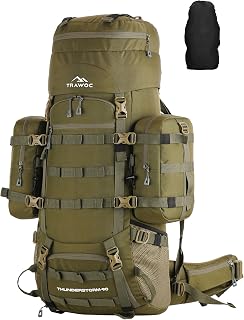


Finding genuinely good-value camping and hiking equipment in India is not simply a matter of choosing the lowest-priced product. The better approach is to compare what you receive for the money: material quality, durability, packed size, weight, weather resistance, comfort, ease of use, repairability and suitability for the conditions in which you actually plan to travel.
India offers remarkably different outdoor environments, from hot and humid coastal areas and dry plains to monsoon forests, Himalayan foothills and high-altitude trekking routes. A product that represents excellent value for a casual weekend campsite may be completely unsuitable for a demanding mountain trek. This guide therefore focuses on the factors that help distinguish economical gear from equipment that is likely to become a false economy.
When comparing products from brands such as Quechua, Decathlon, Wildcraft, Coleman, Naturehike, Forclaz, Nikwax, Black Diamond, The North Face and other established outdoor manufacturers, consider the complete specification rather than relying on the product name or headline feature. Product ranges, specifications and availability can change, so check the latest manufacturer information and retailer details before purchasing.
Best value does not necessarily mean the cheapest option. Value is better understood as the balance between purchase cost and useful performance over the expected life of the product.
For example, a slightly more expensive backpack may offer a substantially better harness system, stronger zippers and more practical compartments. If those features make it comfortable enough to use regularly, the additional expenditure may represent better value than buying a cheaper pack that is uncomfortable after several hours.
Outdoor equipment should be selected according to the environment, not merely according to a generic “camping” or “trekking” label. Indian conditions can vary substantially by season, altitude and region.
For warm-weather camping, ventilation becomes particularly important. Tents with useful mesh panels, breathable sleeping systems and appropriate ventilation can be more comfortable than heavily enclosed designs. Dark colours and poorly ventilated interiors can become noticeably warmer under strong sunlight.
Backpacks should also allow airflow where practical. A heavily padded back panel may provide comfort, but excessive padding can sometimes reduce ventilation. Consider the balance between support, cushioning and breathability.
India's monsoon season creates a different set of priorities. Waterproofing, seam construction, drainage, quick-drying materials and protection of gear inside the backpack become much more important.
A tent marketed as water resistant should not automatically be treated as suitable for every severe-weather situation. Examine the construction of the flysheet, floor, seams, zippers and entrances. For backpacks, a dedicated rain cover can help, but critical electronics, clothing and sleeping equipment are better protected with internal waterproof bags or dry bags.
Cold-weather comfort depends on the complete sleeping system rather than the sleeping bag alone. Sleeping pad insulation, clothing, shelter ventilation and the condition of the ground all affect how warm a camper feels.
When comparing sleeping bags, pay attention to the temperature ratings and understand what those ratings mean. A temperature number should not be interpreted as a guarantee that every person will feel equally comfortable at that temperature.
High-altitude trekking requires more careful equipment selection because lower temperatures, stronger winds, difficult terrain and reduced access to replacement supplies increase the consequences of unsuitable gear.
For demanding routes, weight reduction becomes valuable, but not at the expense of essential protection or reliability. A lightweight item that cannot withstand the expected conditions is not necessarily a good-value purchase.
A tent should be evaluated for capacity, packed weight, packed dimensions, ventilation, weather protection, pole construction, setup method and interior organisation.
Sleeping bags should be selected according to the temperatures and sleeping conditions you expect rather than by appearance or thickness alone.
Important specifications include fill type, insulation construction, temperature ratings, shape, packed size, weight and zipper configuration. Synthetic insulation can be attractive for users who expect humid or damp conditions because it generally remains more practical when exposed to moisture than many untreated natural insulation systems.
A sleeping pad performs two jobs: cushioning the body from the ground and reducing heat loss to the ground. For this reason, an extremely thin or poorly insulated pad can undermine an otherwise good sleeping bag.
Compare thickness, packed dimensions, weight, insulation characteristics, durability and inflation method. Closed-cell foam pads are simple and resistant to punctures, while inflatable designs can offer a better comfort-to-packed-size ratio but require greater care.
Backpack capacity should match the length and style of the trip. Buying the largest backpack available is rarely the best strategy because excess capacity can encourage overpacking.
Look closely at torso fit, hip-belt adjustment, shoulder straps, sternum strap, load-lifter configuration, ventilation and access to frequently used items. A technically impressive backpack that does not fit your body correctly can be poor value.
Footwear deserves particular attention because discomfort or poor traction can affect the entire trip. Compare sole pattern, outsole compound, upper material, heel support, toe protection, flexibility, cushioning and water resistance.
Waterproof footwear can be useful in some environments, but it may not always be the best choice for hot conditions or routes involving frequent stream crossings. Breathability and drying speed can be more useful than maximum water resistance in certain climates.
Trekking poles can improve stability on uneven terrain and reduce some of the workload placed on the lower body. Value comparisons should include pole material, locking mechanism, collapsed length, adjustment range, grip material and basket compatibility.
Do not judge a trekking pole solely by its lightest listed weight. The locking system and reliability of adjustment are particularly important because a pole that slips unexpectedly can become frustrating or unsafe to use.
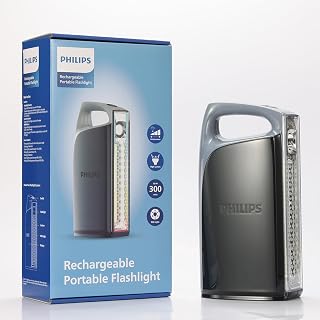
A headlamp is generally more useful on a trek than a handheld torch because it leaves both hands available. Compare brightness modes, beam pattern, runtime, charging method, battery type, weather resistance and ease of operation.
Maximum brightness is only one specification. A useful low-power mode, dependable battery indicator and sensible runtime may matter more during an overnight trip.
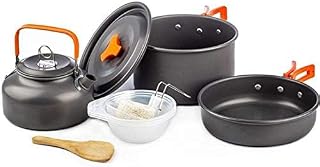
Camping cookware should be evaluated according to the number of people, cooking style, fuel system and expected environment. Compact cookware sets can reduce packing volume, while individual lightweight pieces may provide more flexibility.
Before buying a stove, confirm that the fuel type is compatible with the equipment and realistically obtainable for your intended destination. Never assume that a particular fuel canister or cartridge will be available at a remote trekking location.
Hydration equipment needs to be durable, leak resistant and easy to clean. Bottles are simple and robust, while hydration reservoirs can make frequent drinking easier during active trekking.
For longer journeys, consider how easily the container can be cleaned and dried. A complicated hydration system that is difficult to maintain may be less practical than a straightforward bottle.
Rain jackets should be compared on waterproofing, breathability, hood design, seam construction, ventilation, weight and packability. A very inexpensive rain layer may protect against a short shower but perform poorly during prolonged rainfall or strenuous activity.
For trekking, the ability to pack the jacket into a small space and quickly access it from a backpack can be just as important as its weather-protection specification.
Polyester is widely used in tents, clothing, backpacks and other outdoor products. It can offer useful resistance to stretching and is common in products designed for regular outdoor use.
Nylon is popular in lightweight outdoor equipment because it can provide a useful combination of strength and low weight. Different deniers and constructions behave differently, so simply seeing “nylon” in a specification does not tell you everything about durability.
Ripstop construction uses a reinforced weave intended to limit the spread of small tears. It is commonly found in lightweight outdoor equipment where reducing fabric weight is important.
Aluminium is commonly used for tent poles because it can provide a practical combination of low weight and structural performance. Compare the actual pole construction and diameter rather than assuming every aluminium pole system is equivalent.
Steel can provide strength at relatively low material cost, but it generally adds weight. It can make sense for car camping or stationary campsite equipment where portability is less important.
Lightweight gear is appealing, particularly when equipment must be carried uphill for several hours. However, reducing weight often involves thinner materials, smaller components or more specialised construction.
For occasional car camping, a heavier but robust product may represent better value. For multi-day trekking, shaving several kilograms from the total load can have a meaningful effect on comfort.
When two products appear similar, create a simple comparison based on the specifications that actually matter for your use.
A tent is a shelter system. Saving money on a tent that lacks adequate ventilation, usable waterproof protection or appropriate structural support can lead to discomfort and potentially force an early end to a trip.
A 60-litre backpack is not automatically better than a 40-litre backpack. Fit, load distribution and empty weight can be more important than having additional storage space.
Two products may look similar when displayed in a shop but feel very different after several hours on a trail. Always check the listed weight of equipment that you will personally carry.
Outdoor manufacturers use different terminology for protection against moisture. Check the actual construction and intended use instead of assuming that every water-resistant product can withstand prolonged heavy rain.
The correct footwear fit depends on the socks you intend to wear, foot shape and expected swelling during long walks. Ideally, assess fit using the type of socks intended for the trek.
Small failures can be inconvenient outdoors. Before buying expensive equipment, consider whether common components such as tent poles, buckles, straps or valves can be repaired or replaced.
Premium expedition-level equipment can be excellent, but it is not automatically better value for someone who camps only a few times each year. Match the specification to actual usage.
Prioritise straightforward equipment that is easy to set up and maintain. A simple tent, comfortable sleeping arrangement, reliable lighting, suitable clothing and basic cooking equipment can form a practical starter kit.
Look for products that pack efficiently into a vehicle or small luggage space while remaining comfortable at a campsite. Durability and ease of setup may matter more than shaving a few hundred grams from every item.
A well-fitting daypack, dependable footwear, hydration system, headlamp, weather layer and basic navigation or emergency equipment usually provide more practical value than specialised camping equipment that remains unused.
Weight, fit and reliability become much more important. Spend more attention on the backpack, footwear, sleeping system and weather protection because these items can influence comfort throughout the entire trek.
Prioritise equipment according to the actual route, season and altitude. Research the conditions and logistical limitations of the trek before finalising purchases. Lightweight construction is useful, but protection and reliability should remain fundamental requirements.
Brand recognition should be used as one comparison factor rather than the sole reason to purchase. Established outdoor brands can offer useful advantages in product consistency, specification documentation and availability of related equipment, but individual products still need to be assessed on their own merits.
Quechua and Forclaz are widely associated with outdoor and trekking equipment across different price and performance categories. Wildcraft has a substantial presence in the Indian outdoor and travel market. Coleman is known internationally for camping equipment, while Naturehike offers a range of lightweight outdoor products. Black Diamond and The North Face are also established names in specialist outdoor equipment.
The correct approach is to compare the particular model, intended use, specification and current price rather than assuming that every product from a premium or established brand automatically offers the best value.
Customer reviews can provide useful information that specifications do not always reveal, but they need to be interpreted carefully. Look for repeated observations across multiple reviews rather than giving excessive weight to isolated comments.
Allow the tent to dry completely before long-term storage. Packing and storing a damp tent can encourage unpleasant odours and material degradation. Clean dirt gently and follow the manufacturer's care instructions for technical fabrics and coatings.
A sleeping bag should not routinely be compressed for longer than necessary. Store it according to the manufacturer's instructions, particularly when the insulation system requires loose storage between trips.
Remove dirt after trips and inspect stitching, buckles, straps and zippers. Avoid unnecessary exposure to harsh cleaning chemicals that may affect coatings or technical fabrics.
Remove mud and debris after hikes, allow footwear to dry naturally and inspect the sole and upper regularly. Avoid excessive heat when drying footwear because high temperatures can damage adhesives or materials.
Clean cookware and stove components after every trip. Store fuel systems according to manufacturer instructions and inspect connections before use. Never improvise with incompatible fuel components.
The exact packing list should depend on the destination, season, campsite facilities and transportation method, but a basic weekend setup may include:
A day hike generally requires less equipment, but the essentials should be selected according to distance, terrain and weather.
Terms such as “best”, “top rated”, “premium” and “value” should not be treated as universal measurements. The best tent for a family campsite may not be the best tent for a solo trekker. Likewise, the best hiking shoe for dry rocky terrain may not be ideal for a wet monsoon route.
A more useful comparison is to identify the strongest product for a particular requirement: best lightweight option, best family camping choice, best beginner-friendly equipment, best compact option, best choice for frequent trekking or best balance between price and performance.
There is no single best product for every outdoor activity. The right choice depends on your destination, season, trip length, budget, required durability, carrying weight and personal preferences. Compare specifications and current customer feedback before buying.
Beginners generally benefit from equipment that is easy to use, reasonably durable and versatile. A straightforward tent, sleeping system, lighting solution, suitable backpack and basic cooking equipment can provide a practical starting point without requiring highly specialised gear.
No. Higher-priced equipment can offer advantages such as lower weight, advanced materials, improved fit or specialised construction, but those features may not be useful for every user. The best value comes from paying for specifications that match your actual requirements.
Choose according to the season and destination. For warm conditions, ventilation is important. For monsoon camping, pay close attention to weather protection, floor construction and seam design. For colder or windier environments, consider the shelter's structure, coverage and suitability for the expected conditions.
There is no universal ideal weight. A lighter pack can reduce the load you carry, while a heavier pack may provide additional structure, padding or durability. Compare empty weight with carrying capacity and, most importantly, how well the pack fits your body.
They can be, particularly for multi-day treks where every kilogram matters. However, extremely lightweight construction can involve compromises in durability or features. Choose lightweight equipment when the reduction in carried weight provides a meaningful benefit for your type of trip.
Focus on fit, outsole traction, cushioning, stability, upper construction, toe protection and suitability for the terrain. Water resistance can be useful, but breathability and drying characteristics may be more important in hot or humid conditions.
No. Ratings are useful but should be considered alongside specifications, intended use, reviewer comments and the conditions in which the product was used. A highly rated product can still be unsuitable for a particular trek.
A recognised brand can provide useful confidence around product documentation and established product ranges, but brand name alone does not guarantee that a particular item is right for you. Compare the exact model's specifications, intended use and current customer feedback.
It depends on your activity. For backpacking, the backpack, footwear, shelter and sleeping system deserve careful attention. For car camping, comfort and shelter may be more important than extreme weight reduction. Allocate your budget according to the equipment that has the greatest effect on your safety and comfort.
There is no fixed replacement schedule. Replace equipment when it is no longer performing its intended function, when critical components have deteriorated beyond practical repair or when its condition compromises safety or weather protection. Regular inspection and maintenance can extend useful life.
Before placing an order, review the product against the following checklist:
A useful value comparison starts with the intended use and works backwards to the specification. Rather than treating a low price as the primary advantage, compare performance, durability, portability, comfort and practicality together.
For Indian buyers, local climate and terrain should remain central to the decision. Equipment suitable for a dry weekend campsite may not be appropriate for monsoon conditions, while expedition-oriented gear may be unnecessary for occasional recreational use. Checking the latest specifications, current prices, customer feedback and manufacturer guidance before purchase can help you make a more informed decision.
Product availability, pricing, specifications and customer feedback can change during 2026. Before buying, verify the current details for the exact model you are considering and make sure it remains appropriate for your destination, season and planned activity.