

♥ Wishlist
Compare 54 verified Baby Gear for Everyday Baby Care, Travel and Comfort products in India. Reviews, ratings, pros, cons and buying advice updated for October 2026.





Choosing baby gear is rarely about finding the cheapest product. A genuinely good-value purchase should balance safety, useful features, material quality, durability, ease of cleaning, comfort and the frequency with which the item will be used. In India, those considerations can become even more important because families may need products that work well in compact homes, during travel, in warm and humid weather, or with different feeding and sleeping routines.
This buying guide is designed to help parents compare baby gear by practical value rather than by price alone. Before choosing any product, compare its specifications, age or weight suitability, materials, dimensions, included accessories, cleaning requirements and current customer feedback. Product specifications and availability can change, so check the latest information before purchasing.
A value pick is not necessarily the lowest-priced option. For baby gear, value is better understood as the usefulness you receive over the expected period of use. A moderately priced product can be a better purchase than a cheaper alternative if it is easier to clean, more adaptable, sturdier or suitable for a longer stage of your baby's development.
Baby gear covers a wide range of products, and the right buying criteria depend heavily on the category. A bottle should not be evaluated in the same way as a stroller, car seat or baby monitor. Start by identifying the actual problem the product needs to solve.
Feeding products can include baby bottles, nipples, sterilising equipment, bottle warmers, breast pumps, bibs, suction bowls and feeding accessories. When comparing bottles, consider capacity, nipple flow options, bottle shape, cleaning access and material. For feeding utensils, look at food-contact materials, smooth edges, grip and ease of washing.
Brands such as Philips Avent, Pigeon, MAM, Dr. Brown's and Chicco are among the familiar names parents may encounter when comparing feeding products. Brand recognition should not replace specification checking, however. Different models from the same manufacturer can have substantially different designs and intended uses.
Sleep-related purchases require particular attention to safe-use guidance. Parents should distinguish between products intended for supervised use and products intended for routine sleep. For cots, bassinets and other sleep spaces, construction, stability, ventilation, mattress fit and the manufacturer's stated age or size limitations deserve careful attention.
A decorative feature is much less important than a stable, appropriate sleep environment. Avoid choosing a sleep product simply because it includes numerous accessories or attractive fabrics.
For a stroller, value depends on how it will actually be used. A lightweight stroller may be preferable for frequent car travel, while a larger model may offer more storage and cushioning for longer outings. Compare folded dimensions, weight, wheel configuration, brake design, harness arrangement, recline positions, basket capacity and compatibility with any required accessories.
Well-known brands such as R for Rabbit, LuvLap, Chicco, Joie and Graco may appear in Indian stroller comparisons. Do not assume that a higher-priced stroller is automatically a better fit. The best option depends on your transport habits, storage space, walking environment and baby's age.
Car seats should be evaluated primarily around appropriate safety standards, installation method, child size range and compatibility with the vehicle. Check the manufacturer's instructions and the applicable safety requirements before purchase. A feature-rich seat is not useful if it cannot be installed correctly in your particular vehicle.
Compare harness configuration, adjustment mechanism, installation method, weight range, recline positions and whether the seat is designed for rear-facing, forward-facing or both stages. Treat installation instructions as an essential part of the product specification rather than an optional extra.
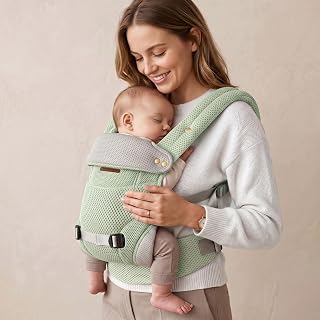
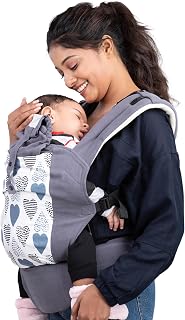
A carrier should fit both the baby and the person carrying the baby. Compare supported age and weight ranges, adjustment points, waistband design, shoulder support, ventilation and the carrying positions permitted by the manufacturer. A carrier that is difficult to adjust can become frustrating even if its feature list looks impressive.
For baby monitors, compare the type of connection, camera features, audio quality, night vision, viewing angle, power requirements and privacy-related settings. Some models use a dedicated parent unit while others depend on a smartphone application. Consider whether you want remote viewing or simply reliable audio within the home.
Connected devices also deserve additional consideration around account security, software support and network configuration. More technology does not automatically provide better value if you only need basic audio monitoring.
Bathing products should be easy to clean and appropriate for the baby's developmental stage. Look for stable construction, smooth surfaces and designs without unnecessary areas where moisture can accumulate. Grooming kits should be assessed for the quality and suitability of individual tools rather than the number of accessories included.
Safety gates, cabinet locks, corner protectors and other child-safety products should be selected according to the specific hazard they are intended to address. Measure the installation area where necessary and check the manufacturer's permitted dimensions and installation method.
Material selection matters because baby products can experience frequent contact with skin, food, milk, moisture and cleaning products. The appropriate material depends on the product category and intended use.
Plastic baby products can be lightweight and easy to manufacture in different shapes. When buying products intended for food or drink, check the manufacturer's material information and care instructions. Do not assume that every plastic product has identical heat resistance or dishwasher compatibility.
Silicone is commonly used for feeding accessories, teethers, bibs and other baby products because it can be flexible and relatively easy to clean. Check the manufacturer's instructions for temperature limits, cleaning methods and intended use.
Glass bottles can be attractive to parents who prefer a rigid, non-plastic bottle material. They are generally heavier than plastic alternatives and require greater care to avoid breakage. Consider weight, grip and how the bottle will be transported before choosing glass.
For carriers, strollers, bedding-related accessories and other textile products, examine the fabric construction, removable covers, washing instructions and drying requirements. A washable cover can be more valuable in everyday use than an elaborate decorative finish.
Baby products should be purchased with their intended use clearly defined. Read the manufacturer's instructions, age guidance, weight limitations and warnings before using a product. If a product has been designed for a particular developmental stage, do not extend its use beyond those stated limits simply to save money.
Product specifications can look complicated, but a small set of measurements usually matters most. Create a short comparison list before opening multiple product pages. This reduces the chance of choosing based solely on photographs, discounts or a long feature list.
| Specification | Why It Matters |
|---|---|
| Age or weight range | Determines whether the product is suitable for the child's current developmental stage. |
| Dimensions | Important for bedrooms, cupboards, vehicles, travel bags and storage areas. |
| Product weight | Especially important for strollers, carriers, portable cribs and travel equipment. |
| Material | Helps you assess durability, cleaning requirements and intended use. |
| Capacity | Relevant for bottles, feeding equipment, storage products and organisers. |
| Adjustability | Can determine whether a product remains useful as the child grows. |
| Cleaning method | Affects everyday convenience and maintenance effort. |
| Included accessories | Helps determine whether additional purchases may be required. |
Customer reviews can provide useful information, but the headline rating should not be the only consideration. Look for recurring comments about the exact issue that matters to you. A stroller may receive complaints about its folded size, while a feeding product may receive comments about cleaning or compatibility with replacement components.
Comparing the initial purchase price alone can produce misleading results. A cheaper product may require additional accessories, replacement parts or an earlier upgrade, while a more expensive product may not provide enough additional utility to justify the difference.
Consider the total ownership equation: purchase price plus essential accessories, consumables, replacement components and the expected period of useful service. For frequently used products, ease of maintenance can also have practical value because difficult cleaning may make an otherwise attractive product inconvenient.
Paying more can be reasonable when the additional cost provides a meaningful improvement in an area you will use regularly. Examples can include substantially better adjustability, easier cleaning, stronger construction, more practical folding, improved compatibility or a longer usable stage.
Premium pricing is less compelling when the difference consists mainly of decorative materials, additional accessories that you will not use or technology that does not solve a real problem.
A budget product can be an excellent value when the basic construction meets the relevant requirements and the product performs a straightforward job well. Simple feeding accessories, storage organisers, basic grooming tools and some everyday baby-care items may not require extensive premium features.
The key is to distinguish low price from poor construction. A budget choice should still be evaluated for suitability, safety, durability, cleaning and manufacturer guidance.
Parents can easily be drawn toward products with long feature lists. Before paying extra, ask whether each major feature will actually be used. A simple product that performs its primary function reliably may provide better value than a complicated model with functions that remain unused.
Online photographs can make products appear smaller or larger than they are. Check measurements carefully, especially for strollers, high chairs, cots, storage organisers and travel products. Also measure doors, lifts, vehicle boot space and storage areas when relevant.
Baby gear often requires frequent cleaning. Examine how many parts need to be removed, whether narrow areas are difficult to reach and which cleaning methods are permitted. Maintenance should be considered before purchase, not after the first difficult cleaning session.
Multi-purpose products can save space, but they are not automatically the best option. A travel stroller, everyday stroller and newborn-focused setup may have different priorities. Consider whether the combined design genuinely performs each function adequately.
Some products contain parts that naturally wear out or need periodic replacement. Before buying, determine which components are replaceable and whether the manufacturer provides information about compatible parts. This can be especially relevant for feeding equipment, pump accessories, stroller components and electronic products.
Established brands such as Chicco, Philips Avent, Pigeon, MAM, Joie, Graco, R for Rabbit and LuvLap can be useful starting points for product research, but a familiar brand does not make every model the right choice. Compare the individual product specifications, intended use and current customer feedback.
Indian households vary considerably in space, climate, transport arrangements and family routines. A product that works well in a large house may be unnecessarily bulky in an apartment, while a travel-friendly item may be especially useful for families who frequently move between home, grandparents' houses and other destinations.
For warm climates, ventilation and breathable materials may be worth considering where appropriate. For monsoon conditions, products that are easy to dry and maintain can be more practical. For homes with limited storage, folded dimensions can matter as much as the product's unfolded size.
Families who travel regularly should consider portability as a primary specification rather than an afterthought. Product weight, folded dimensions, carrying handles, storage bags and ease of assembly can all influence whether a product remains convenient outside the home.
For car travel, vehicle compatibility and correct installation should take priority over compactness or appearance. For air travel, check the carrier or airline's current requirements separately because baggage and equipment policies can change.
Instead of assigning the same amount of money to every category, prioritise products according to frequency of use and safety importance. A product used several times every day deserves closer comparison than an accessory used occasionally.
When two products appear almost identical, focus on differences that affect daily use. Start with the intended age or weight range, then compare dimensions, materials, adjustment options, cleaning requirements, included accessories and replacement-part considerations.
Next, identify the one or two features that actually matter most to your household. If one model costs more but does not improve those priorities, the less expensive option may be the stronger value pick.
Online shopping makes it convenient to compare a large number of baby products, but the final product page should be checked carefully before purchase. Product images may show accessories that are not included with every variant, and listings can change over time.
A product that comes apart logically and safely can be easier to clean and maintain. This is particularly valuable for products that come into contact with milk, food, saliva or moisture.
Adjustable straps, handles, harnesses or positions can increase usability, provided the adjustment system is straightforward and remains secure during normal use.
Foldability can be one of the most valuable features for Indian homes with limited storage. Check the folded dimensions rather than simply looking for the word “foldable.”
For electronic baby products, controls should be understandable and practical. Complex interfaces may add unnecessary friction when parents need to operate the product quickly.
Removable and washable covers or accessories can reduce maintenance effort. Always follow the manufacturer's care instructions because not every component can be washed in the same way.
Some features sound impressive but have limited value for a particular household. Examples can include excessive accessory bundles, decorative finishes, unnecessary electronic functions or configurations that are rarely used. The goal is not to buy the product with the longest specification sheet; it is to buy the product whose specifications best match your actual needs.
Newborn-focused shopping requires careful attention to the manufacturer's stated suitability. Products designed for older babies should not automatically be treated as suitable for newborn use. Check minimum age, minimum or maximum weight, supported positions and any additional inserts or accessories required for the newborn stage.
Parents should also avoid purchasing large quantities of a single feeding or comfort product before knowing what works for their baby. Babies can have different preferences, and purchasing smaller quantities initially can reduce unnecessary spending.
As babies become more mobile, product priorities change. Adjustability, stability, ease of cleaning and resistance to frequent use can become more important. Before buying a growth-stage product, check when the current product should be discontinued and what developmental milestones affect safe use.
There is no universal best baby gear product for every Indian family. A parent living in a compact apartment may value a lightweight foldable stroller, while another family may prioritise storage capacity and larger wheels. A family that travels frequently may value portability, while a family that primarily uses products at home may prefer durability and easy cleaning.
The strongest buying decision therefore comes from matching product specifications to real-life circumstances rather than selecting a product simply because it has the highest rating, the most reviews or the lowest price.
The best value depends on how frequently the product will be used and which features matter to your family. Frequently used products should generally be evaluated more heavily for durability, comfort, cleaning and long-term practicality, while occasional-use items may not justify premium features.
No. Higher pricing can reflect additional materials, features, accessories or design complexity, but those differences may not provide meaningful benefits for every household. Compare the specific features that affect your intended use rather than assuming price equals quality.
Established brands can make product research easier because specifications, model ranges and manufacturer information may be more readily available, but brand name alone is not enough. Compare the exact model, intended age range, materials, maintenance requirements and current customer feedback.
Buy according to genuine need rather than trying to assemble every possible accessory before the baby arrives. Some products depend on personal preferences, so starting with essential items and adding equipment as your routine develops can help reduce unnecessary purchases.
Start with suitability and safety-related requirements, then compare the specifications that affect everyday use. Age or weight range, dimensions, materials, cleaning, adjustability and replacement considerations are often more useful than comparing the number of advertised features.
Multi-purpose products can offer good value when each function works well and the combined design remains convenient. They may be less useful when compromises make the product difficult to clean, store, adjust or use for its primary purpose.
Customer reviews can provide useful real-world context, particularly for durability, cleaning and ease of use. However, review ratings should be considered alongside specifications and manufacturer information, and reviews for different variants should not automatically be treated as equivalent.
Identify the actual need first, compare several products, avoid paying for unused features, check what accessories are included and consider ongoing costs. For products that your baby may quickly outgrow, also consider the expected period of useful use before paying a premium.
The strongest value picks are products that combine appropriate safety features, useful construction, sensible specifications and practical everyday performance at a price that fits the intended use. Before making a purchase in 2026, compare the latest product information rather than relying on an old list or a headline rating.
For every shortlisted product, check the exact model, age or weight suitability, dimensions, materials, cleaning instructions, included accessories and customer feedback. Then consider how the product will fit into your home, transport routine and budget. This approach makes it easier to distinguish genuinely useful baby gear from products that simply have more features or a higher price.