

♥ Wishlist
Compare 63 verified Chairs Online in India for Every Room & Purpose products in India. Reviews, ratings, pros, cons and buying advice updated for October 2026.


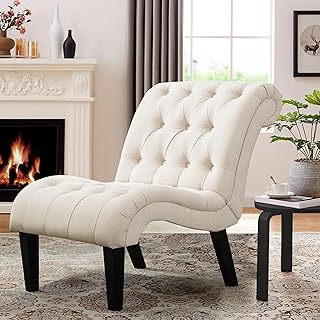


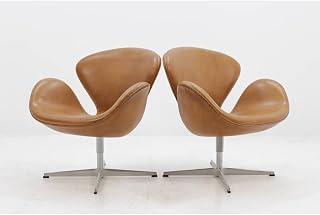

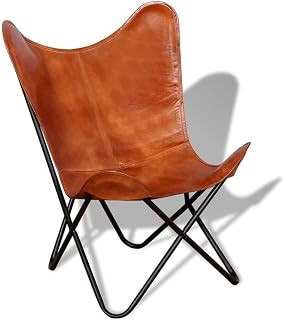


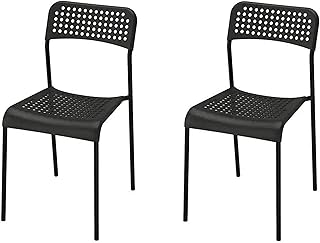


Finding a genuinely good-value chair in India is not simply a matter of choosing the lowest listed price. A chair can look inexpensive initially yet offer poor long-term value if the seat is uncomfortable, the dimensions do not suit the user, the materials are difficult to maintain, or important adjustment features are missing. Conversely, a moderately priced chair can represent better value when its construction, ergonomics, adjustability and intended use match the buyer's requirements.
This buying guide is designed to help shoppers compare chairs available in the Indian market using practical criteria rather than relying on price alone. When comparing options, consider the chair's purpose, dimensions, seating posture, frame and base construction, upholstery, cushioning, adjustment range, weight capacity, assembly requirements and after-sales considerations. Brands commonly encountered in the Indian chair market include Green Soul, Featherlite, Wakefit, Sleep Company, Nilkamal, CELLBELL, Savya Home and IKEA, but the right choice depends on the specifications of the individual model rather than the brand name alone.
Best value does not necessarily mean the cheapest chair. Value is better understood as the balance between purchase cost, useful features, construction quality, comfort, suitability for the intended environment and expected service life.
For example, a basic chair may be perfectly sensible for occasional use at a dining table, reception area or temporary workstation. A person working from home for several hours every day may obtain better value from a chair with adjustable seat height, appropriate lumbar support, a stable five-point base and a seat designed for extended sitting.
Ergonomic office chairs are primarily designed for desk-based work. Depending on the model, they may include adjustable seat height, reclining backrests, lumbar support, adjustable armrests, headrests and other mechanisms. Not every feature is essential for every user, so buyers should prioritise adjustments that solve an actual seating requirement.
For regular computer work, seat height and back support are particularly important. The chair should allow the user to position their feet comfortably while keeping the working surface at a practical height. A highly adjustable chair is not automatically better if the adjustments are difficult to use or the chair's basic dimensions are unsuitable.
Executive-style chairs generally emphasise a larger backrest, padded appearance and a more substantial visual design. They can work well in home offices, private offices and study environments where appearance is also a consideration.
When evaluating an executive chair, do not judge quality solely by the amount of padding or the appearance of leather-like upholstery. Check the seat width, seat depth, recline mechanism, base construction and adjustment range. A large chair can become uncomfortable when its proportions do not suit the person using it.
Study chairs are useful for students, homework areas and compact desks. A value-oriented study chair should provide a stable seating platform, appropriate seat height and adequate back support without occupying unnecessary floor space.
For children and teenagers, dimensions deserve special attention. An adult-sized chair may not provide an appropriate fit simply because it offers more cushioning or a larger frame.
Gaming chairs often feature high backrests, pronounced side bolsters, reclining mechanisms and a distinctive appearance. Some can also function as general computer chairs.
Buyers should compare gaming chairs with conventional ergonomic office chairs rather than assuming that a gaming-oriented design automatically provides superior ergonomic support. Consider the actual adjustment range, seat construction, armrests, backrest geometry and desk compatibility.
Dining chairs have a different purpose from office chairs. They are normally used around a dining table and need to fit beneath or around the table without restricting leg movement. Seat height, overall width, cleaning requirements and frame stability are often more important than extensive mechanical adjustment.
Plastic chairs can provide excellent value for balconies, kitchens, utility areas, occasional seating, events and other applications where easy cleaning and simple maintenance are priorities. However, plastic construction varies considerably between models. Inspect the frame geometry, leg design, joints, surface finish and stated load capacity before buying.
Seat height determines how easily the user can place their feet on the floor and position themselves relative to a desk or table. Adjustable office chairs generally provide greater flexibility, while fixed chairs require closer matching between the chair and the table.
Do not compare seat height in isolation. Seat thickness, cushioning compression, desk height and the user's leg length can all affect the final seating position.
Seat width should provide enough room for comfortable seating without creating unnecessary bulk. Buyers should compare the actual usable seat area rather than relying on descriptions such as “wide seat” or “large chair.”
Seat depth affects how the thighs are supported and how close the user can sit to a desk. A very deep seat may be uncomfortable for a shorter user, while an overly shallow seat may provide insufficient thigh support for a taller person.
Backrest height should be considered alongside the chair's intended purpose. A mid-back chair can be practical for compact workspaces, while a high-back design may provide more upper-back support or a larger seating profile. The best choice depends on body dimensions and personal preference.
The manufacturer's stated weight capacity is an important specification to check before purchase. Avoid treating a load rating as an indication of comfort or overall quality. It is better used as a compatibility threshold when comparing the chair with the intended user.
For wheeled office chairs, inspect the base and caster configuration. A stable five-point base is common on task and office chairs. Caster design should also match the floor where the chair will be used.
Hard flooring, tiles, laminate, carpet and rugs can behave differently under casters. If floor protection is important, consider whether a suitable chair mat or compatible caster arrangement is required.
Useful adjustments can include seat height, backrest recline, tilt tension, armrest position, lumbar support and headrest position. More adjustments create more opportunities for personalisation, but they also introduce additional components and potential points of wear.
Prioritise adjustments that you will actually use. For a straightforward workstation, a reliable height adjustment and suitable backrest mechanism may be more valuable than numerous rarely used features.
Fabric can provide a less glossy appearance and may feel comfortable during extended use. Its suitability depends on weave, construction, padding beneath the upholstery and ease of cleaning. Fabric can also require more attention when exposed to spills, dust or heavy daily use.
Mesh backrests are popular for office chairs because their open construction can provide airflow across the back. The quality and tension of the mesh matter. A mesh chair should be evaluated for back support and frame construction rather than ventilation alone.
Leather-like upholstery can provide a polished executive appearance and is generally straightforward to wipe clean. Buyers should nevertheless consider the environment in which the chair will be used, including room temperature and humidity, because upholstery can influence perceived comfort.
Plastic is common in armrests, covers, chair backs, adjustment housings and bases. Plastic should not automatically be treated as inferior. The relevant questions are where it is used, how it is constructed, how much load it carries and whether the design is appropriate for the intended application.
Metal may be used in frames, mechanisms, supports and bases. A metal component can contribute to structural strength, but buyers should still examine the complete chair rather than assuming that the presence of metal guarantees durability.
Cushion thickness alone does not determine whether a chair will remain comfortable. The density and construction of the cushioning, seat shape, upholstery, support structure and dimensions all contribute to seating comfort.
An extremely soft seat can feel comfortable during a short trial but may not provide the support some users prefer during longer sessions. A firmer seat may feel different initially while offering a more stable seating position. Because individual preferences vary, product descriptions should be treated as specifications rather than guarantees of personal comfort.
For people spending substantial time at a desk, chair ergonomics should be evaluated as part of the complete workstation. A chair cannot compensate for an unsuitable desk height, poorly positioned monitor or awkward keyboard and mouse placement.
Lumbar support is intended to support the lower-back region. Adjustable lumbar support can offer greater flexibility because users differ in body proportions. A fixed support can still be suitable when its position and shape match the user.
Armrests can help support the arms and reduce the need to hold the shoulders elevated while working. Adjustable armrests provide more flexibility, but their usefulness depends on whether they can be positioned appropriately relative to the desk.
A reclining backrest can allow users to change posture instead of remaining in one fixed position. Look at the range of recline, locking positions and resistance or tension adjustment where provided.
A headrest is not essential for every desk task. It can be useful for users who regularly recline or prefer additional support while taking breaks, but its value depends heavily on its height, angle and adjustability.
Online shopping makes direct testing difficult, so a structured specification check becomes important. Start with the manufacturer's product information and compare exact dimensions rather than marketing descriptions.
The lowest price may look attractive, but price alone says little about whether a chair fits a particular user. Compare the complete specification and intended use before deciding.
A chair that works with one desk may not work with another. Measure the desk height and check whether the chair's seat-height range allows a comfortable working position.
Seat depth is frequently overlooked because product listings often emphasise overall chair size. However, it can have a major effect on how the legs and lower back are positioned.
A chair with a headrest, multiple adjustments, reclining functions and numerous controls can appear more advanced. Those features only add value when they are useful to the person buying the chair.
Wheeled chairs interact differently with carpet, tile, wood-look flooring and other surfaces. Consider caster suitability and whether floor protection is necessary.
Some chairs require more assembly than others. Before ordering, review what needs to be assembled and whether the buyer has the tools and space required to complete the process safely.
A high average rating can be useful as an initial signal, but it should not replace specification analysis. Read reviews for specific information about seat comfort, dimensions, mechanism performance, assembly and long-term ownership comments.
Customer reviews can provide useful information that is not always obvious from a specification sheet, but they should be interpreted carefully. Focus on recurring observations rather than isolated praise or complaints.
Prioritise adjustability, seat comfort, back support, desk compatibility and a stable base. If the chair will be used for many hours, spending more on useful ergonomic features may provide better value than selecting a basic chair purely because it is inexpensive.
Look for appropriate dimensions, easy maintenance, stable construction and compatibility with the study desk. Students may benefit more from a correctly sized, straightforward chair than from a large executive-style model.
Measure the available space before purchasing. Consider overall chair width, backrest height, armrest design and whether the chair can move beneath the desk when not in use.
Focus on fit and adjustability. Seat height, seat depth, lumbar support, armrest positioning and recline can be more important than visual styling.
If a chair will only be used periodically, extensive ergonomic mechanisms may not provide meaningful additional value. A stable, comfortable and easy-to-maintain design may be the more practical choice.
Match the chair to the dining table height and available floor space. Easy-clean upholstery or surfaces can be especially practical where food and drinks are frequently present.
Adjustability becomes more valuable when several people use the same chair. Seat-height adjustment and flexible back or arm support can make a shared chair easier to configure for different users.
Brand reputation can be useful when narrowing a large selection, but it should not replace model-level research. A company may offer chairs across several price categories, designs and construction types.
When comparing brands such as Green Soul, Featherlite, Wakefit, Sleep Company, Nilkamal, CELLBELL, Savya Home and IKEA, compare the exact model specifications, intended use, dimensions, materials and adjustment features. The most suitable chair is determined by the relationship between the model and the buyer's requirements.
Dust and surface debris can accumulate around moving parts, seams and caster areas. Follow the manufacturer's cleaning instructions for the specific upholstery and materials.
Periodically check caster movement, armrests, adjustment controls, screws and other accessible components. If something becomes loose or behaves differently from normal, stop using the chair until the issue has been assessed appropriately.
Avoid exposing upholstery to cleaning chemicals that are not recommended for the material. Spills should be addressed according to the manufacturer's care instructions rather than treated with an aggressive household cleaner.
Hair, dust and other debris can accumulate around caster wheels. Keeping the wheels and surrounding area clean can help maintain smooth movement.
Using a chair beyond its stated load rating can increase stress on structural and mechanical components. The manufacturer's stated capacity should be treated as an important purchasing and usage specification.
Instead of comparing dozens of chairs at once, create a shortlist based on your actual requirements. This makes it easier to distinguish meaningful differences from marketing features.
Paying more can make sense when the additional cost provides features that materially improve suitability or everyday usability. For a daily workstation, this could mean better adjustability, more appropriate dimensions or a mechanism that allows the user to change position throughout the day.
However, a higher price should not be treated as proof of superior construction. Compare what the additional spending actually provides. If two chairs offer similar dimensions, materials and useful adjustments, the less expensive option may offer the stronger value proposition.
A budget chair can be entirely appropriate when the intended use is occasional, the seating duration is short, the environment is temporary or advanced adjustments are unnecessary. Basic chairs can also make sense for dining, visitor seating and other applications where mechanical features are not required.
The key is to match the chair to the workload. Avoid paying for features that will never be used, while also avoiding a very basic chair for a demanding daily workstation simply to minimise the initial purchase price.
Indian buyers may need to consider factors beyond chair specifications. Climate, flooring, room size, desk configuration, cleaning habits and the availability of replacement components can all influence the practical value of a chair.
When evaluating a top-10 chair list, avoid assuming that the first position is automatically the best choice for every buyer. A ranking is most useful when each chair is assessed against a defined use case.
One chair may be a strong candidate for a compact study area, another may be more suitable for a full-time home office, while another may offer a simpler design for occasional seating. Compare the chairs according to the factors that matter to you instead of treating the list as a universal ranking.
Product information can change, particularly for marketplace listings. Before purchasing, verify the current product page information, exact model name, dimensions, available variants and seller details. Check whether the listed specification corresponds to the model you are actually selecting.
There is no single best-value chair for every Indian buyer. The right option depends on whether you need a work-from-home chair, study chair, gaming chair, dining chair, executive chair or occasional-use chair. Compare dimensions, construction, comfort-related features, adjustability and current price for your specific use case.
An ergonomic chair can be worthwhile when you spend substantial time working at a desk and the chair's adjustments help you achieve a comfortable working position. The value comes from appropriate fit and useful functionality, not simply from the word “ergonomic” in the product title.
No. Higher prices can reflect additional features, materials, mechanisms or construction, but they do not guarantee that the chair is better suited to a particular user. Compare the exact specifications and dimensions before making a decision.
Neither material is universally better. Mesh can appeal to users who prefer an open backrest design, while leather-like upholstery can provide a different appearance and cleaning experience. Choose according to comfort preferences, environment and maintenance requirements.
Seat height is one of the most important dimensions because it affects the relationship between the user, chair, desk and floor. Adjustable height is particularly useful when the chair needs to work with a fixed desk.
Not necessarily. A headrest can be useful for some users, particularly when reclining or taking breaks, but it is not a requirement for every desk setup. Prioritise seat fit, back support and working posture first.
Both affect comfort, but neither should be evaluated alone. Cushioning influences how the seat feels, while lumbar support affects the support provided around the lower-back region. Overall chair dimensions and fit should also be considered.
Adjustable armrests can be useful when the chair is used for computer work because they provide more flexibility for positioning the arms. They are especially useful when the chair must accommodate different users or different desk configurations.
Measure the available width and depth, then compare those measurements with the chair's listed dimensions. Also consider the space required for the chair to move backward, rotate and slide beneath the desk.
Look beyond the overall rating. Read reviews for recurring comments about dimensions, comfort, assembly, materials, adjustment mechanisms and long-term use. Specific observations are generally more useful than short statements that simply say the chair is good or bad.
A recognised brand can make it easier to find product information and compare models, but the brand name alone does not determine whether a chair is right for you. Evaluate the exact model's specifications and intended use.
A five-point base is common on wheeled office chairs and provides a broad support arrangement. It is one part of the overall chair design, so also consider the casters, mechanism, frame and stated load capacity.
The strongest value chair is the one that satisfies the actual requirements of the person and environment using it. Start with purpose and dimensions, then compare comfort-related design, materials, adjustability, construction and maintenance. Only after those factors are clear should price become the deciding factor between closely matched options.
For an online purchase in India, verify the latest specifications, customer feedback, seller information and purchase terms before ordering. Product prices, configurations, availability and listings can change during 2026, so the information displayed at the time of purchase should take priority over an older comparison.
Whether you are comparing Green Soul, Featherlite, Wakefit, Sleep Company, Nilkamal, CELLBELL, Savya Home, IKEA or another manufacturer, focus on the exact chair model rather than the brand name alone. A disciplined comparison of dimensions, materials, ergonomics, intended use and total value makes it much easier to identify a chair that fits your needs and budget.