

♥ Wishlist
Compare 56 verified Dog Food for Puppies and Adult Dogs in India products in India. Reviews, ratings, pros, cons and buying advice updated for October 2026.




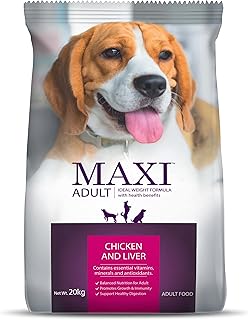


Finding good-value dog food is not simply a matter of choosing the lowest price per packet. A better comparison considers nutritional suitability, ingredient quality, feeding requirements, package size, storage life, digestibility, life stage, breed or body size, and the actual cost of feeding a dog each day. A food that appears inexpensive per kilogram may not necessarily be the most economical choice if the recommended feeding quantity is substantially higher.
This guide is designed for Indian pet owners comparing commercial dog food options across different budgets. Brands such as Royal Canin, Pedigree, Drools, Purina, Farmina, Arden Grange, Acana and Orijen offer products covering different nutritional approaches and price levels, but the right choice depends on the individual dog rather than the brand name alone.
Value should be assessed as the balance between what you pay and what you receive. For dog food, that means looking beyond the printed pack price and examining the complete feeding proposition.
One of the most common buying mistakes is comparing only the price of two bags. Instead, calculate the approximate cost of feeding based on the product's stated feeding guidance and the dog's body weight.
For example, a larger bag can have a lower price per kilogram while requiring a different daily quantity. Conversely, a more expensive food may have a different feeding recommendation. These figures should always be treated as product-specific rather than assuming that one brand's feeding rate applies to another.
A simple comparison is:
Use the manufacturer's current feeding table when making the calculation. Feeding requirements can vary according to the dog's weight, age, activity, reproductive status and the specific formulation.
Dry kibble is often convenient for households looking for a straightforward feeding routine because it is easy to measure, store and portion. Wet food is typically sold in cans, trays or pouches and can provide a different texture and higher moisture content.
Rather than automatically declaring one format cheaper or better, compare the nutritional content, pack size, feeding quantity, storage requirements and intended role in the dog's diet.
If wet food is added to dry food, do not simply add a full wet-food serving on top of the normal kibble allowance without accounting for the additional calories.
The packaging contains information that is considerably more useful for comparison than advertising language alone. Read the complete label and compare similar products on a like-for-like basis.
Depending on the product and local labelling requirements, packaging may provide information such as crude protein, crude fat, crude fibre, moisture and other nutritional details. These figures help establish the basic nutritional profile, but they do not tell the entire story of a food's suitability.
Ingredients are generally listed in descending order by weight according to the applicable labelling framework. Look at the complete ingredient declaration rather than judging a product from one prominent ingredient mentioned on the front of the package.
Feeding charts provide starting guidance rather than a universal prescription. Two dogs with the same body weight may require different amounts depending on activity, age, metabolism and body condition.
Check whether the product is formulated for puppies, adults, seniors or another defined life stage. Puppies have different nutritional requirements from mature dogs, and feeding an adult formula simply because it costs less may not be an appropriate value decision.
A value-focused buying decision should begin with nutritional suitability. A puppy, adult dog and senior dog can have different nutritional requirements, while large-breed puppies may require particular attention to controlled growth and appropriate nutrient intake.
Breed size can influence practical food selection. Smaller dogs generally eat smaller portions, while larger dogs consume substantially more food over time, making feeding efficiency particularly important for the household budget.
Large-breed puppies deserve particular care because rapid growth can create nutritional concerns. Owners should select a food specifically appropriate for the puppy's developmental stage and expected size rather than relying solely on general puppy labelling.
Small-breed dogs may also benefit from appropriately sized kibble where available. Kibble dimensions can affect ease of eating, although individual preference and chewing behaviour vary.
Protein supports the maintenance of body tissues and is an important component of a complete canine diet. Fat provides concentrated energy and contributes essential fatty acids. Carbohydrate sources can supply energy and other nutrients, depending on the formulation.
It is usually more useful to evaluate the complete formulation than to focus on a single macronutrient number. A food with an attractive protein percentage is not automatically the best option for every dog.
Consider the declared animal and plant protein sources, the complete ingredient list and the product's nutritional adequacy. Ingredient terminology can differ between manufacturers, so comparing entire labels is more informative than searching for one particular ingredient.
Fat contributes significant calories. Dogs with low activity levels may require careful portion control, while highly active dogs can have different energy requirements. Do not increase or decrease food quantities solely because one package has a higher or lower fat percentage.
Fibre can influence stool characteristics, digestive function and satiety. The appropriate level depends on the complete diet and the individual dog.
Terms such as premium, natural, wholesome or high quality can be useful marketing descriptors, but they should not replace reading the actual formulation and nutritional information. The most expensive product is not automatically the most appropriate, and the cheapest product is not automatically poor value.
When comparing products, examine:
Indian shoppers may encounter a wide range of domestic and international brands. The following names are useful starting points for comparison, but brand familiarity should not replace checking the specific product formula.
Always check the exact product name, pack size, life-stage designation, ingredient list, nutritional analysis, feeding instructions and current seller information because specifications can differ substantially within the same brand.
Online marketplaces make it easier to compare products, but they also require careful checking. Product listings can contain multiple pack sizes, different formulations and seller-specific information.
Customer reviews can reveal practical information, but they should be treated as one input rather than definitive evidence of nutritional quality. Dogs differ considerably in preferences, digestion, activity and dietary needs.
Useful review signals include repeated comments about packaging condition, kibble size, product consistency, acceptance by dogs and whether the delivered item matches the listing. Isolated comments are less useful than recurring observations across many independent purchasers.
Do not treat star ratings as a substitute for nutritional information. A highly rated product can still be unsuitable for a particular dog, while a product with mixed reviews may have individual complaints unrelated to the food's nutritional formulation.
A large bag with a low headline price may not represent the lowest ongoing feeding cost. Calculate price per kilogram and consider the recommended daily amount.
Large bags can be economical for households with suitable storage and a dog that regularly consumes the same food. However, buying more than can be properly stored and consumed in a reasonable period can undermine the benefit of the lower unit price.
Dry kibble should be stored in a cool, dry place and protected from moisture. Keep the original packaging where practical, and use a clean, properly sealed container if transferring food while retaining the original product information.
Constantly switching between formulas simply because another product is discounted can make it difficult to determine which food agrees with the dog. Dietary changes are generally better handled gradually unless a veterinarian advises otherwise.
A food designed for puppies, adults, particular sizes or specific nutritional needs should not be selected solely because it is cheaper. Suitability comes before price.
Treats, toppers and snacks can contribute additional calories. They should not automatically be considered substitutes for a complete and balanced main diet.
There is no single ideal monthly budget for every dog in India. The amount depends on the dog's size, age, activity, food formulation, feeding quantity and whether the household uses dry food, wet food, treats or a combination.
A better budgeting method is to establish the approximate daily quantity required, calculate the cost per kilogram of the chosen product, and then estimate the monthly requirement. Repeat the calculation whenever comparing products because feeding quantities and package sizes differ.
Budget products can be attractive for owners feeding one or more dogs while keeping recurring costs manageable. The key is to verify that the specific food is nutritionally appropriate for the dog rather than selecting solely on price.
Mid-range foods can offer a practical compromise between purchase cost, formulation features, availability and feeding convenience. Compare products individually because the distinction between budget and mid-range categories is not a universal nutritional standard.
Premium foods can cost considerably more and may offer particular formulations, ingredient profiles or targeted nutritional approaches. Higher price should not be interpreted as a guarantee that a product is the right choice for every dog.
Puppies should be evaluated differently from adult dogs because they are undergoing rapid physical development. Look specifically for an appropriate puppy or growth formulation and follow the manufacturer's feeding guidance.
For healthy adult dogs, value comparisons can focus heavily on suitability, feeding efficiency, consistency and cost per day. The cheapest food is not necessarily the most economical if it requires substantially larger portions or is poorly suited to the dog's normal routine.
Owners should periodically reassess the dog's body condition and adjust portions when appropriate. Feeding amounts printed on packaging are starting points and may need adjustment for individual circumstances.
Older dogs may experience changes in activity, body composition and dietary requirements. Some manufacturers provide senior-specific products, while other dogs may continue to do well on an appropriate adult maintenance diet.
Age alone does not establish a medical dietary requirement. If an older dog has a diagnosed condition or significant change in appetite, weight, digestion or activity, veterinary advice is more appropriate than choosing food solely according to price.
Working, highly active or athletic dogs can have different energy requirements from sedentary companion dogs. When comparing foods for an active dog, look at energy density, feeding guidance, protein and fat levels and the dog's overall body condition.
Do not automatically increase portions because a dog appears energetic. Activity, weight trend and body condition should all be considered.
For dogs prone to weight gain, portion control is often more important than simply choosing a more expensive food. Compare calorie information where provided, follow measured portions and account for treats and table food.
Weight management should be approached carefully. If a dog is gaining weight despite appropriate feeding or has unusual appetite changes, consult a veterinarian rather than making drastic dietary changes independently.
Some dogs require diets associated with specific medical or nutritional concerns. Examples can include certain gastrointestinal, urinary, kidney, allergy-related or weight-management situations. Veterinary diets are different from ordinary commercial maintenance foods and should be selected with appropriate professional guidance.
If a veterinarian has recommended a particular therapeutic diet, replacing it with a cheaper general-purpose food without professional advice may not be a genuine value decision.
Kibble characteristics can influence practical usability. Small dogs may find very large pieces difficult to manage, while some larger dogs may handle larger kibble comfortably. Individual chewing behaviour also varies.
When shopping online, look for manufacturer-provided information about kibble size or photographs that accurately represent the product. Avoid assuming that similarly named products have identical kibble dimensions.
A gradual transition is commonly used when changing from one food to another. Mixing increasing amounts of the new food with decreasing amounts of the previous food over several days can help some dogs adapt.
The appropriate transition speed can vary between dogs. Veterinary guidance should take priority for puppies, medically complex dogs or animals with established dietary restrictions.
India's climate varies substantially by region, but heat and humidity can be important considerations for pet-food storage. Proper storage helps preserve freshness and reduces the risk of moisture exposure.
For a fair comparison, create a short list of products that are actually suitable for the dog. Then evaluate them using the same criteria.
A genuinely useful value pick should work financially and practically over time. Look for a product that fits the dog's nutritional requirements, can be consistently sourced, is manageable within the household budget and can be stored correctly.
Long-term value also comes from consistency. Once a suitable food has been identified and tolerated well, repeatedly changing products for small promotional savings may not provide meaningful benefits.
Paying more can be reasonable when a particular formulation better matches a dog's requirements, when professional dietary guidance calls for a specific product, or when a food's feeding efficiency makes the overall cost more competitive than its pack price suggests.
However, a higher price should always be evaluated against a specific benefit. Expensive packaging, premium positioning or attractive marketing language alone does not establish superior suitability for an individual dog.
A less expensive food can be a sensible choice when it is nutritionally appropriate for the dog, fits the dog's life stage, is tolerated well, has clear feeding guidance and can be purchased reliably. Budget-conscious feeding does not automatically mean compromising on responsible pet care.
The important distinction is between lower price and lower quality. They are not automatically the same thing, just as a higher price does not automatically indicate better suitability.
When buying pet food online, pay attention to listing consistency. Product names can be similar while formulations differ. Check the brand, exact formula, life stage, pack weight, packaging images and seller information before completing a purchase.
Be particularly careful with unusually attractive deals. A low price can have legitimate explanations such as a different pack size or promotion, but shoppers should verify exactly what is being offered rather than assuming that every listing represents the same product.
If two products appear similar, create a direct comparison using the same criteria. Start with life-stage suitability, then compare the nutritional information and feeding recommendations. Next, calculate cost per kilogram and estimated daily cost.
After the financial comparison, consider practical factors such as kibble characteristics, packaging, storage, availability and the dog's previous tolerance of similar foods. This approach prevents a small price difference from overshadowing more important differences.
Reducing portions simply to make a bag last longer is not an appropriate cost-saving strategy. Dogs require adequate nutrition, and feeding should be based on the product's guidance together with the dog's body condition and individual requirements.
Likewise, deliberately choosing an unsuitable food because it is inexpensive can create a false economy. The objective of value shopping is to spend money intelligently, not merely to spend as little as possible.
There is no single best-value dog food for every dog. The most suitable choice depends on life stage, body size, activity level, nutritional requirements, feeding quantity, budget and individual tolerance. Compare the exact formulations from brands such as Pedigree, Drools, Royal Canin, Purina and Farmina rather than choosing by brand reputation alone.
No. Price is not a complete measure of nutritional suitability. A higher-priced food may have characteristics that are useful for particular dogs, but the correct decision should be based on the dog's requirements and the product's formulation.
A low price alone does not establish whether a food is appropriate or inappropriate. Check whether the specific product is formulated for the dog's life stage and nutritional needs, and review the complete product information before buying.
Divide the pack price by its weight to calculate price per kilogram. Then multiply that figure by the approximate amount fed each day and multiply by the number of days in the month. Use the manufacturer's current feeding guidance rather than assuming that all foods require the same quantity.
Royal Canin offers a broad range of formulations, including products targeted toward different sizes, breeds and nutritional requirements. Whether a particular formula represents good value depends on its suitability for the dog, feeding quantity and current purchase cost.
Pedigree is widely available and offers products positioned for everyday dog feeding. To assess value, compare the exact formulation, nutritional information, pack size, feeding guidance and current price against other suitable alternatives.
Drools offers several dog-food formulations and price points. The best way to assess a particular Drools product is to compare its exact nutritional information, ingredients, feeding guidance and cost with other products appropriate for the same dog.
Puppies have growth-related nutritional requirements, so owners should select a food appropriate for the puppy's life stage. An adult maintenance product should not be chosen simply because it is cheaper.
There is generally no need to change a suitable food simply for variety. If a change is necessary, a gradual transition can help some dogs adjust. Puppies, dogs with medical conditions and dogs with persistent digestive problems may require individual professional guidance.
It may be possible to combine foods, but the total nutritional and calorie intake should be considered. If the foods are being mixed as part of a transition, change gradually and monitor the dog rather than switching abruptly.
No. The presence or absence of grains alone does not determine whether a food is the best choice for an individual dog. Evaluate the complete formulation and nutritional suitability instead of relying on one ingredient category.
Only when the dog will consume the food at a reasonable pace and you have suitable storage. A lower price per kilogram is less useful if the food is stored poorly or remains open for an unnecessarily long period.
Keep it protected from heat, moisture and direct sunlight, and close the package securely after use. A clean, dry, airtight container can provide additional protection when appropriate, while retaining the original packaging information is useful for identifying the exact product.
No. Ratings can provide useful purchasing context, but they should be combined with the product's ingredient declaration, nutritional information, feeding guidance, life-stage suitability and current price.
The strongest value decision is rarely the product with the lowest sticker price. Start by identifying what your dog actually needs, eliminate unsuitable products, and then compare the remaining options using price per kilogram, estimated daily feeding cost, nutritional information, ingredient declaration, package size, storage requirements and practical availability.
For 2026 shopping decisions, always verify the current product listing and exact formulation before purchasing because prices, pack sizes, packaging and marketplace listings can change. A product that was good value previously may not remain the best value after a price or package-size change.
Most importantly, treat the dog's nutritional suitability as the first filter and price as the second. A well-chosen food that fits the dog's needs, household budget and feeding routine is a more meaningful value pick than simply selecting the cheapest available bag.