

♥ Wishlist
Compare 59 verified Dog Crate Pads for Comfortable Pet Rest products in India. Reviews, ratings, pros, cons and buying advice updated for October 2026.


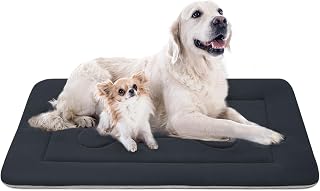


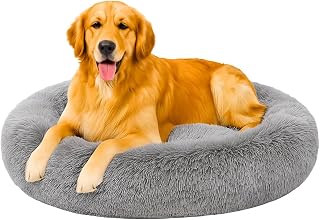


A good dog crate pad should do more than fill the bottom of a crate. It should give your dog a comfortable resting surface while fitting securely inside the crate, standing up to regular washing, and coping with the temperature and everyday conditions of an Indian home. The right choice depends on your dog's size, sleeping position, chewing habits, toilet-training stage, coat type, climate and how frequently the crate is used.
For Indian buyers, it is especially useful to consider ventilation, washable construction and drying time. A thick, warm pad that feels comfortable during a cool winter morning may be unnecessarily hot during a humid summer. Conversely, a very thin mat may provide little cushioning for an older or heavier dog.
A crate pad is generally designed around the dimensions and practical limitations of a crate. A conventional dog bed may have raised bolsters, a larger footprint or a thicker construction that does not work well when placed inside a confined enclosure.
If your dog spends only short periods in the crate, a practical washable mat may be sufficient. For dogs that regularly sleep inside their crates, comfort, pressure distribution and material quality deserve greater attention.
Measure the usable interior floor of the crate rather than relying only on the advertised crate size. The pad should cover most of the sleeping area without being forced against the walls or folded at the corners.
A pad that is slightly too large can bunch up, create uneven surfaces or interfere with the crate door. One that is too small leaves exposed plastic or metal flooring and may move when the dog changes position.
Thickness alone does not determine comfort. The density, resilience and construction of the filling or foam are equally important. A very thick pad made from low-resilience filling can compress substantially under a heavier dog.
For a young, healthy dog, moderate cushioning may be perfectly adequate. Dogs that are older, lean, large or prone to spending long periods resting may benefit from a more supportive surface.
The top fabric affects both comfort and maintenance. Soft fleece or plush surfaces can feel warm and inviting, while canvas, polyester and other tightly woven fabrics can be more practical for dogs that scratch or regularly bring dirt into the crate.
Consider the season as well. In warmer Indian regions, an excessively fluffy surface may retain heat. A breathable, less insulating cover can be more appropriate when temperatures are high.
A pad that slides around the crate can become uncomfortable and potentially create a tripping or bunching problem. Look for a suitably grippy underside, secure construction or a design that fits closely enough to minimise movement.
However, a non-slip base should not be treated as a substitute for correct sizing. An oversized pad can still fold or shift even when its underside has a textured surface.
Washability is one of the most important features for a crate pad. Dogs can bring dust, mud, hair, food particles and moisture into their sleeping area. Puppies and dogs still learning house manners create an even greater need for straightforward cleaning.
Check whether the entire pad is machine washable or whether only the cover can be removed. Also check the manufacturer's stated washing instructions, drying requirements and temperature limitations before purchasing.
A washable pad is only convenient if it can be dried properly. Very thick beds can retain water for considerably longer than thin mats. This matters in humid weather or during monsoon periods when indoor drying may take longer.
If you need the crate pad available every day, having a second washable pad can be more practical than depending on a single thick mattress.
Polyester is common in pet bedding because it can be used in woven covers, plush surfaces and filled cushions. It is generally easy to maintain, but the actual durability depends on fabric construction, stitching and filling rather than the fibre name alone.
Fleece and plush materials provide a soft sleeping surface and can be useful during cooler weather. They may be less attractive for dogs that overheat easily, shed heavily or repeatedly chew and pull at fabric.
Tightly woven materials can be a sensible choice for active dogs because they may resist everyday abrasion better than delicate plush surfaces. They are also useful where easy hair removal and routine cleaning are priorities.
Foam can provide more consistent support than loose fibre filling. Its performance depends heavily on density and construction. A product described as "orthopedic" should therefore be assessed by its actual construction, dimensions and manufacturer specifications rather than the marketing label alone.
Cotton-based fabrics can feel comfortable and familiar, but buyers should pay attention to shrinkage, drying requirements and cleaning instructions. A removable washable cover can make these materials considerably easier to manage.
There is no single ideal thickness for every dog. A Chihuahua, Labrador Retriever and Great Dane have very different support requirements, and a young active dog may have different needs from a senior dog.
Always compare thickness with the actual sleeping surface. A bulky pad can make an appropriately sized crate feel cramped, particularly when the dog already has limited turning space.
Puppies require a different buying approach from adult dogs. During the early stages of training, accidents, chewing and digging are realistic considerations.
For a puppy, prioritise washable construction, durable seams, easy inspection and a design that does not contain easily accessible loose components. A very expensive luxury pad may not be the most sensible first purchase if the puppy is still developing chewing and toilet habits.
If a puppy persistently tears, eats or pulls apart bedding, remove damaged bedding and reconsider whether that particular construction is appropriate. A dog should not be allowed to ingest foam, stuffing, fabric or other bedding components.
Senior dogs can benefit from a supportive sleeping surface, especially when they spend substantial amounts of time resting. Instead of choosing purely on softness, evaluate how well the material supports the dog's body and whether the pad remains relatively level after repeated use.
Look for stable cushioning, a low-effort entry area and a surface that does not slide around. If your dog has significant mobility problems or appears uncomfortable when lying down or getting up, bedding selection should complement rather than replace veterinary advice.
Not every soft crate pad is suitable for a dog that routinely digs, bites or pulls bedding apart. Plush fabrics and exposed foam can be particularly vulnerable to determined chewing.
For destructive chewers, examine the product construction rather than relying on phrases such as "heavy duty." Look for tightly secured seams, limited exposed filling and a cover that cannot easily be pulled away from the mattress.
No fabric crate pad should be considered genuinely chew-proof simply because a listing uses that term. Dogs vary considerably in chewing behaviour, and even durable materials can eventually be damaged.
India's climate varies substantially by region, but warm weather is an important consideration for many dog owners. A heavily insulated crate pad may retain warmth when the dog would be more comfortable on a cooler surface.
For hot weather, consider a thinner, breathable sleeping surface and ensure the crate itself is positioned in a well-ventilated location away from direct sunlight. A crate pad should never be used as the sole solution for overheating.
Cooling mats and elevated beds are separate product categories and may be more suitable for specific situations. Always follow the manufacturer's instructions, particularly for products containing gel, water or specialised cooling materials.
During monsoon weather, moisture management becomes more important. A thick pad that stays damp for a long time can become unpleasant and difficult to maintain.
Measure your dog's approximate resting length from the front of the chest toward the rear of the body while the dog is relaxed. You can also observe how much space the dog actually uses when lying down.
Then measure the crate's internal floor dimensions. The pad should fit the crate rather than being selected solely from your dog's weight category.
Customer ratings can help identify popular products, but ratings alone do not tell you whether a particular pad is appropriate for your dog. A soft pad that works well for a small indoor dog may be unsuitable for a large dog that scratches frequently.
More thickness does not automatically mean better support. Excessively thick bedding can reduce headroom and usable floor space, especially in a crate that is already close to the minimum recommended size.
Before purchasing, check whether the complete product can be washed, whether only the cover is washable, and whether special drying instructions apply.
Orthopedic is a useful product descriptor but not a guarantee of a particular foam density, durability or clinical benefit. Examine the construction details instead of relying on the label.
A dog that sleeps curled up may have different preferences from one that regularly stretches out. Observe your dog before choosing between a compact pad and a more generously cushioned mattress.
A thick or oversized pad can interfere with the door area. Confirm that the pad does not prevent the door from opening and closing normally.
When two products appear similar, use a structured comparison rather than focusing exclusively on price.
When researching options, buyers may encounter established pet-product brands such as Furhaven, K&H Pet Products, MidWest Homes for Pets, PetFusion, Bedsure and Frisco. Brand recognition can be useful as a starting point, but the individual product's dimensions, materials, cleaning instructions and construction should still determine the final decision.
Product ranges and specifications can change, and availability can differ between Indian retailers. Check the current product listing, seller information and manufacturer specifications before making a purchase.
Online product listings can contain several measurements and descriptions that are easy to confuse. Focus on the actual dimensions rather than relying solely on labels such as small, medium, large or XL.
Cleaning frequency depends on the dog, environment and use. A dog that spends many hours in the crate, sheds heavily or frequently gets muddy will generally require more frequent cleaning than a dog that uses the crate occasionally.
Do not wait for a strong odour before inspecting bedding. Regularly check for hair accumulation, dirt, moisture, stains, damaged seams and compressed filling.
Follow the product's specific care instructions rather than assuming every crate pad can be washed in the same way. Washing methods that are unsuitable for a particular filling can reduce its useful life.
Replacement should be based on condition rather than a fixed calendar period. A pad that remains clean, structurally sound and supportive may continue to be useful, while a heavily damaged pad may need replacement much sooner.
Comfort is not necessarily achieved by adding multiple layers of bedding. Excess bedding can reduce the available space and make it harder for the dog to move naturally.
A properly sized crate pad, a suitable crate location and a stable environment are often more useful than simply adding blankets. If you use an additional blanket, ensure it does not become tangled, excessively warm or easily shredded by the dog.
Inspect a new pad before putting it inside the crate. Look for loose threads, damaged seams, detachable parts, exposed filling or manufacturing defects.
Observe how your dog interacts with the bedding during the first few uses. If the dog starts tearing, swallowing pieces or repeatedly becoming entangled in the material, discontinue use and choose a more appropriate design.
Also make sure the pad does not block ventilation openings or prevent the crate door from operating normally.
The best value is not necessarily the lowest-priced crate pad. A cheaper product that quickly loses its shape or is difficult to clean may cost more over time than a moderately priced product with better construction and maintenance characteristics.
Likewise, paying substantially more for decorative features that your dog does not need may not improve practical value. Focus the budget on the characteristics that matter most for your specific situation: fit, cushioning, washability, durability, climate suitability and ease of maintenance.
Prioritise washable construction, durability and easy inspection. Avoid making luxury softness the primary buying criterion.
A comfortable, correctly sized and easily washable pad is often the most practical combination. Match the material to the dog's coat and the room's temperature.
Pay particular attention to usable dimensions, structural support and whether the cushioning remains stable under greater body weight.
Focus on supportive cushioning, stable positioning and ease of getting on and off the sleeping surface.
Prioritise construction and resistance to tearing over plush appearance. Inspect bedding frequently.
Consider less insulating materials and avoid unnecessarily thick or heavily padded surfaces if your dog tends to become hot.
Washability and drying practicality become especially important. A second pad can be useful where bedding cannot be dried quickly.
Generic size labels vary between manufacturers, so use them only as a starting point. The product's stated measurements should always be compared with the crate's internal dimensions.
Breed names should not replace measurement. Individual dogs within the same breed can vary considerably in body size, weight and sleeping style.
A strong value pick balances practical performance with the total cost of ownership. For many households, the most useful combination is a pad that fits accurately, remains comfortable after repeated use, can be cleaned without excessive difficulty and suits the dog's behaviour.
Before choosing from a list of highly rated options, compare the current specifications and customer feedback for the exact size and variant you intend to buy. Different sizes of the same product can have different dimensions, construction details or pricing.
Customer reviews can reveal practical issues that are difficult to identify from a product description, but they should be interpreted carefully.
If you want to narrow down a large selection quickly, evaluate the products in this order:
The best dog crate pad depends on the dog's size, crate dimensions, climate, sleeping habits and maintenance requirements. A good option should fit securely, provide appropriate cushioning and be practical to clean.
A suitable pad can make a crate more comfortable by providing a softer surface than the crate floor. However, bedding should be selected according to the dog's behaviour and supervised for safety, particularly with puppies and dogs that chew bedding.
Memory foam can provide supportive cushioning, particularly for dogs that need a more substantial sleeping surface. Check the foam construction, thickness, ventilation and manufacturer's care instructions before buying.
Not necessarily. The ideal amount of cushioning depends on the dog and crate. Excessive thickness can reduce usable space, while insufficient cushioning may provide little comfort.
A thinner, less insulating pad may be more appropriate for dogs that become warm easily. Room ventilation, ambient temperature and the dog's individual tolerance to heat also matter.
Some can and some cannot. Check the exact manufacturer's care instructions. A removable machine-washable cover can make maintenance considerably easier.
For many puppies, practicality is more important than luxury. Look for a washable, appropriately sized and reasonably durable design, and inspect it regularly for chewing damage.
A supportive pad with appropriate cushioning and a stable surface can be a useful choice. Dogs with mobility or pain concerns may need individual advice from a veterinarian in addition to suitable bedding.
Start with the correct dimensions. A close-fitting pad with a suitable non-slip underside can reduce movement. If the dog continues to move or bunch the bedding, consider whether the product design is appropriate for that dog's behaviour.
Ideally, the pad should make efficient use of the sleeping area without folding, bunching or interfering with the door. The exact dimensions of the crate and pad should be compared before purchase.
Price alone does not establish quality. A higher-priced product may be worthwhile if it offers genuinely useful improvements in support, construction, washability or durability, but those features should be verified from the specifications.
Replace it when it becomes damaged, permanently compressed, difficult to clean, persistently damp or otherwise unsuitable for your dog. There is no universal replacement interval.
The strongest value choice is the one that matches your dog's real requirements rather than the product with the most impressive-looking feature list. For most Indian households, fit, easy cleaning, suitable cushioning and climate-appropriate materials are more important than decorative details.
Because product specifications, prices, sellers and availability can change during 2026, verify the current listing before purchasing. Compare the exact size and variant, read recent customer feedback, and make the final decision based on your dog's needs, the crate dimensions and the conditions in your home.