

♥ Wishlist
Compare 22 verified Face Masks & Sanitizer Online in India products in India. Reviews, ratings, pros, cons and buying advice updated for October 2026.




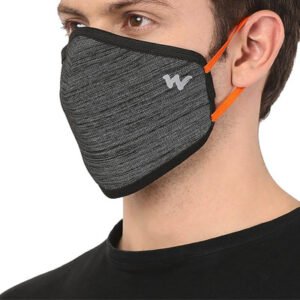





Choosing a face mask or hand sanitizer is not simply a matter of selecting the cheapest pack or the product with the highest number of reviews. The right choice depends on where and how you intend to use it, how often you need it, the type of protection or hygiene you require, comfort, packaging, storage conditions, and whether the product clearly identifies its manufacturer and relevant specifications.
For Indian consumers, the buying decision can also vary considerably between daily commuting, crowded public transport, travel, healthcare environments, office use, school or college, shopping, and keeping a small hygiene kit at home. A disposable mask suitable for a short shopping trip is not necessarily the best option for prolonged wear, while a pocket-size sanitizer may be convenient for travel but less economical for frequent household use.
One of the most common buying mistakes is assuming that every disposable face mask provides the same level of protection. Mask construction, filtration material, fit and intended use can differ significantly.
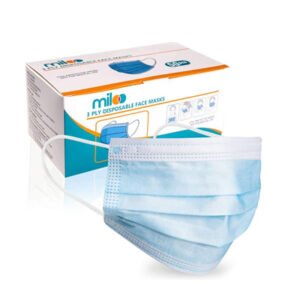
These lightweight masks are commonly used for everyday situations where a disposable barrier is appropriate. Their practical advantages include low weight, easy replacement and generally good breathability. However, fit around the nose, cheeks and chin matters because gaps can allow unfiltered air to bypass the mask material.
When comparing these masks, examine the number of layers, nose-piece construction, ear-loop design, dimensions and manufacturer information. A higher layer count by itself should not be treated as proof of superior performance.
Respirator-style products are designed with filtration and fit as central considerations. Depending on the product and applicable standard, examples can include N95-type or equivalent respirators. These products can be more appropriate when the buyer's priority is higher filtration performance, provided the mask fits the wearer's face correctly.
Do not select a respirator simply because the packaging contains a familiar protection claim. Check the exact designation, manufacturer details, standard or certification information where applicable, and whether the product appears authentic and properly packaged.
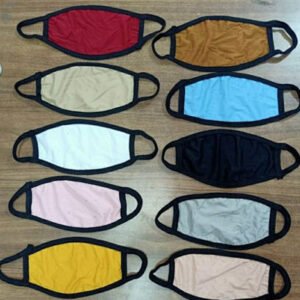
Reusable masks can reduce the number of disposable masks consumed, but their performance depends heavily on construction, material, fit, washing and maintenance. Fabric thickness alone does not establish filtration performance.
Before choosing a reusable model, consider whether the manufacturer provides meaningful information about the materials, construction, washing instructions and intended use. A reusable mask also needs to be inspected regularly for stretched fabric, damaged seams, degraded layers or poor fit.
A technically capable filtering material cannot perform as intended if air readily enters through large gaps. Fit should therefore be treated as a primary buying criterion rather than a cosmetic consideration.
A mouldable nose piece can help reduce gaps around the bridge of the nose. This is particularly useful when the mask design otherwise tends to leave space around the upper cheeks. However, an adjustable nose strip does not automatically make a product superior; overall fit and construction still need to be considered.
When comparing products in India, create a consistent checklist rather than judging each listing by different criteria.
Hand sanitizer is another category where convenience should not replace careful product selection. A sanitizer's usefulness depends on its formulation, intended application, packaging, dispensing method and how it is used.
Alcohol-based hand sanitizers are widely used for hand hygiene when soap and water are not readily available. When evaluating a product, check the active alcohol ingredient and concentration stated on the packaging rather than relying on phrases such as “strong,” “instant,” or “maximum protection.”
Sanitizer should be used according to the manufacturer's instructions, with enough product to cover the relevant surfaces of the hands and sufficient rubbing time for the formulation. If hands are visibly dirty or greasy, washing with soap and water is generally the more appropriate approach.
Gel sanitizers are popular because they are easy to dispense and carry. Liquid formulations may spread differently and can be convenient in pump bottles, while sprays can be useful for particular dispensing situations. The best format is the one that can be applied consistently without excessive wastage.
For frequent personal use, a smaller bottle can be convenient for a bag or pocket. For desks, kitchens or shared household areas, a larger pump bottle may be more practical.
Do not judge a sanitizer solely by fragrance, colour or thickness. The label should provide meaningful information about the formulation and manufacturer. Buyers should pay attention to the stated active ingredient, concentration, directions, warnings, net quantity, batch information and other required label details.
Products from established manufacturers such as Dettol, Savlon, Lifebuoy and Himalaya may be encountered when comparing hand-hygiene options in India, but brand recognition should not replace checking the specific product label and formulation.
Fragrance can influence user preference, particularly when sanitizer is used frequently, but it says little about the product's hygiene performance. A pleasant fragrance is a secondary convenience feature, while formulation information, correct usage and product authenticity are more important considerations.
A useful hygiene kit does not need to be complicated. The objective is to have suitable products available when needed without carrying unnecessary quantities.
Avoid storing clean masks loose alongside used masks, coins, food or other objects that may contaminate them. Keep sanitizer bottles tightly closed and follow the manufacturer's storage guidance.
“3-layer,” “4-layer” or similar descriptions can be useful specifications, but they do not provide enough information to determine the overall suitability of a mask. Material quality, filtration characteristics, construction and fit all matter.
A low listed price can be misleading if the pack contains substantially fewer masks. Compare cost per mask when evaluating multipacks, while also considering product specifications and intended use.
A mask can be technically suitable but uncomfortable or poorly fitting for a particular wearer. Dimensions and fastening design should therefore be reviewed before purchasing larger quantities.
Respirator terminology should be examined carefully. Look for clear product identification, manufacturer information and applicable standard or certification details. Be cautious with listings that make unusually broad claims but provide little technical information.
Professional-looking packaging does not establish product quality. Compare the information printed on the packaging and product listing, including manufacturer details, specifications and instructions.
“Best value” should mean the strongest balance between suitability, quality, quantity, convenience and total cost—not simply the lowest purchase price.
For a mask multipack, divide the total purchase price by the number of masks. This provides a more useful comparison between different pack sizes. However, do not use cost per mask as the only criterion because a cheaper mask with an unsuitable fit may represent poor value.
The same principle applies to sanitizer. Compare the price with the stated volume to understand the relative cost of different bottle sizes. Then consider dispensing efficiency, portability and formulation.
A product that is comfortable and appropriate for its intended use may provide better practical value than one that is cheaper but difficult to wear or use consistently. Value is ultimately connected to how well a product meets the buyer's actual requirements.
Consumers researching masks and sanitizers may encounter established brands including 3M, Dettol, Savlon, Lifebuoy, Venus, Dräger and other manufacturers. Brand familiarity can be a useful starting point, particularly when checking manufacturer information and product consistency, but the specific model should always be evaluated independently.
For masks, compare the exact model and protection designation rather than assuming every product from the same brand has identical performance. For sanitizer, compare the specific formulation, bottle size and label information rather than selecting solely on brand reputation.
Customer reviews can provide useful information about packaging, comfort, sizing, leakage, dispenser quality and whether the received product matches the listing. They should not, however, be treated as a substitute for technical specifications.
Statements such as “best protection ever” or “100% safe” are subjective and usually do not provide enough evidence to compare products. Similarly, a review focused entirely on fragrance or packaging cannot establish filtration performance or formulation quality.
Online marketplaces can contain many competing listings, making basic verification worthwhile before placing an order.
Keep unused masks in their original packaging or another clean, dry storage location. Avoid exposing them unnecessarily to moisture, dust or prolonged heat. Do not treat a visibly damaged or contaminated mask as equivalent to a fresh one.
Follow the manufacturer's washing and drying instructions. Inspect the mask after repeated use for stretched straps, fabric deterioration, damaged seams and changes in fit. If the product no longer maintains its intended shape or condition, replacement may be appropriate.
Keep sanitizer containers closed when not in use and store them according to the product label. Avoid leaving bottles in unsuitable high-temperature environments. A travel bottle should also be checked periodically for leakage or damaged seals.
Pack size should reflect consumption rather than simply maximising the number of units purchased.
If a mask will be worn for extended periods, comfort can strongly influence whether it is used consistently. Buyers should compare ear-loop tension, nose-piece pressure, mask dimensions, material feel and breathability.
A mask that causes excessive pressure around the ears may become difficult to tolerate. Conversely, straps that are too loose can cause repeated adjustment and poor positioning. The ideal balance depends on the wearer and mask design.
Children require particular attention to fit and practicality. An adult-sized mask may be too large, leaving gaps around the sides or making the mask uncomfortable. When considering a children's product, check the manufacturer's stated size range and intended age group where provided.
Children should also be taught how to handle masks appropriately, including avoiding unnecessary touching of the front surface and understanding when a mask needs to be replaced or disposed of. Any product used by a child should be selected according to the manufacturer's instructions and the child's individual circumstances.
Travel can involve long periods in vehicles, railway stations, airports, hotels, restaurants and crowded public areas. A compact hygiene kit can reduce the need to search for supplies while travelling.
These products serve different purposes, so they should not be treated as alternatives. A face mask is a respiratory protective or source-control product depending on its design and use, while hand sanitizer is intended for hand hygiene when suitable handwashing facilities are unavailable.
If you are building a basic personal hygiene kit, the most practical approach is usually to select an appropriate mask for the situations in which you expect to need one and keep a suitable hand-hygiene option available when soap and water are not readily accessible.
Once you have identified several promising options, eliminate products that fail on essential requirements before comparing secondary features.
There is no single best mask for every buyer. The right choice depends on the intended use, required protection level, fit, comfort, product specifications and budget. Compare the exact product model rather than relying only on brand or layer count.
For routine use, focus on an appropriate mask type, comfortable fit, secure positioning and clear manufacturer information. If the mask is uncomfortable, poorly fitting or difficult to keep correctly positioned, it may not be a practical choice for regular use.
A three-layer construction can be an important specification, but layer count alone does not establish overall performance. Material, construction, filtration characteristics and fit also need to be considered.
Respirator-style masks such as N95 products are designed around higher filtration and fit requirements than ordinary loose-fitting disposable masks. The appropriate choice depends on the user's circumstances, and a respirator must fit correctly to provide its intended performance.
Check the active ingredient, stated concentration, manufacturer information, directions, warnings, bottle size and packaging. Do not select a sanitizer solely because it has a strong fragrance or thick consistency.
No. Handwashing with soap and water remains important, particularly when hands are visibly dirty or greasy. Sanitizer is a convenient option when appropriate handwashing facilities are unavailable.
A small, securely closed bottle is generally more convenient for personal travel because it takes less space and is easier to carry. Choose a larger bottle when the product is intended for regular use at home, in an office or another fixed location.
Compare mask type, specifications, fit, dimensions, manufacturer information, quantity and cost per mask. Then use recent customer feedback to identify practical issues such as damaged packaging or inconsistent quantities.
No. Price alone does not establish quality or suitability. A higher-priced product may include features or specifications that are useful for a particular application, but the buyer should compare those characteristics directly with lower-priced alternatives.
Bulk purchasing can make sense for frequent users if the product is suitable and can be stored properly. It is less useful when the buyer is still testing fit or expects low usage.
Follow the manufacturer's instructions and replace a disposable mask when it becomes damaged, soiled, wet, difficult to breathe through or otherwise unsuitable for continued use. Disposable products should not be treated as indefinitely reusable.
Good value comes from the combination of appropriate formulation, usable packaging, suitable volume, reliable product information and reasonable cost. The cheapest bottle is not necessarily the best value if its formulation or packaging does not meet your needs.
The strongest approach to choosing face masks and hand sanitizers in India is to compare products systematically rather than relying on a single rating, brand name or headline claim. For masks, prioritise the appropriate product type, fit, filtration information, construction and comfort. For sanitizers, examine the formulation, active ingredient, concentration, packaging and intended use.
Before making a purchase, compare the exact specifications, pack quantity, recent verified customer feedback and current listing information. Product prices, availability, pack configurations and seller information can change, so check the latest details at the time of purchase.
Most importantly, choose according to your actual use case. A well-fitting mask that you can comfortably use as intended and a properly labelled sanitizer that is convenient enough to use consistently are generally more useful than products selected purely because they are the cheapest or most heavily marketed.