

♥ Wishlist
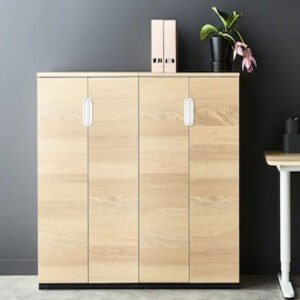

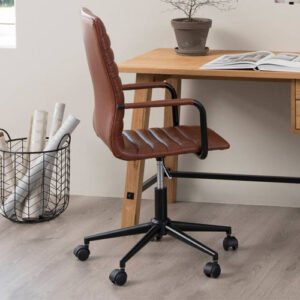
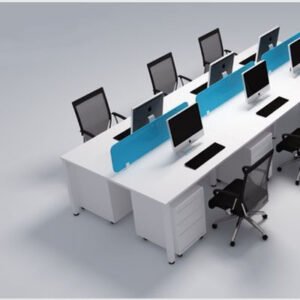
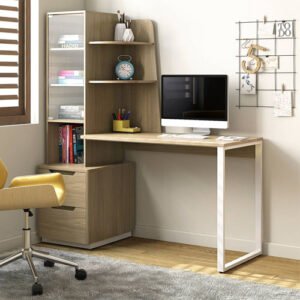
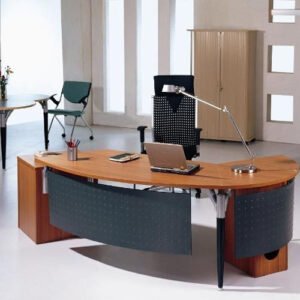


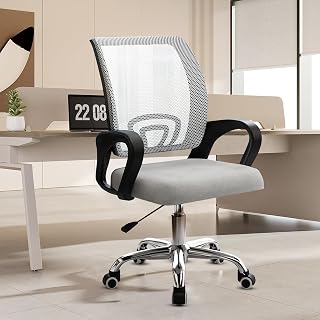


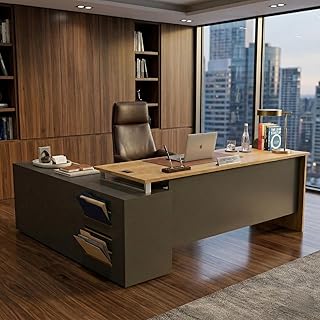

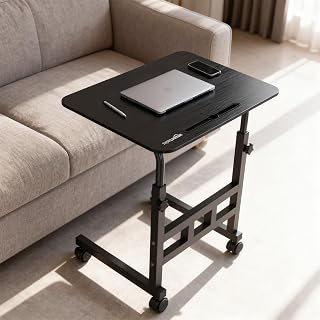


A well-planned workspace starts with furniture that supports everyday activities. Office furniture includes the essential products used to create functional working areas, meeting spaces, storage zones and reception environments. Depending on the size and purpose of your office, you can choose from desks, tables, chairs, cabinets, shelves and other useful furnishings.
For Indian workplaces, furniture selection often depends on available floor space, working habits, office layout and budget. Compact furniture can help make smaller rooms more practical, while larger workstations can suit spacious corporate environments. In addition, choosing complementary furniture can create a consistent appearance throughout the workplace.
Different workspaces require different furniture combinations. Office desks and tables provide dedicated surfaces for computers, paperwork and daily tasks. Office chairs can support comfortable seating during extended working hours. Storage furniture such as cabinets, cupboards and shelves helps keep documents, stationery and workplace supplies organised.
Reception furniture can help create a welcoming first impression for visitors, while conference and meeting tables provide a dedicated setting for discussions. Home office furniture can focus on compact dimensions and efficient storage, especially where a separate office room is not available. Consider the function of each area before selecting individual pieces.
Start by measuring the available room and identifying how the space will be used. Record the length and width of the area, then consider doors, windows, electrical points and walking paths. This approach can help prevent furniture from making the workspace feel crowded.
Next, consider the number of people who will use the furniture. A single workstation may require a desk and chair, whereas a shared office may need multiple workstations and additional storage. For meeting areas, choose a table size that provides enough usable surface without restricting movement around the room.
Material and construction also matter. Common office furniture materials include engineered wood, metal, glass and combinations of different materials. Select options according to expected usage, cleaning requirements and the overall office environment. A frequently used workstation may benefit from durable construction and easy-to-maintain surfaces.
Workstations: Choose desks and chairs that provide enough room for computers, documents and essential accessories while preserving comfortable movement.
Managerial offices: Larger desks, ergonomic seating and practical storage can help create an organised professional setting.
Meeting rooms: Meeting tables and suitable chairs should provide enough seating and working space for regular discussions.
Reception areas: Reception desks, seating and storage can help maintain an organised entrance and provide a comfortable area for visitors.
Home offices: Compact desks, ergonomic chairs and vertical storage can help maximise limited residential space.
Look for furniture that matches your working requirements rather than choosing products based only on appearance. Desk dimensions, storage capacity, seating design, construction quality and available workspace should all be considered. Cable-management features can be useful for computer-based workstations, while drawers and shelves can make frequently used supplies easier to organise.
Comfort is particularly important when selecting office chairs and workstations. Consider suitable seat dimensions, back support, desk height and the relationship between the chair and work surface. Where possible, choose furniture that allows the user to maintain a practical working posture.
Before purchasing, create a list of essential furniture and establish the available budget. Prioritise products that directly support daily work, then add storage and supplementary furniture according to available space. Compare dimensions carefully and check whether the furniture will fit through entrances, lifts and internal doorways.
It is also useful to consider how the office may change over time. Modular or versatile furniture can make future rearrangement easier. Neutral designs can work across different office styles, while coordinated desks, chairs and storage can create a more unified appearance.
When shopping online in India, review product dimensions, material information, available specifications and care requirements before ordering. Clear measurements help you select furniture that suits your room and reduces the possibility of choosing an unsuitable size. By combining functionality, comfort, durability and space planning, you can build an office environment that works effectively for everyday needs.
Choose practical office furniture to create a comfortable, organised and productive workspace. Whether you are furnishing a corporate office, home office, reception area or a growing business, the right furniture helps you use available space efficiently while maintaining a professional appearance. Explore office desks, tables, chairs, storage units and other workspace essentials designed for different office layouts and everyday requirements.