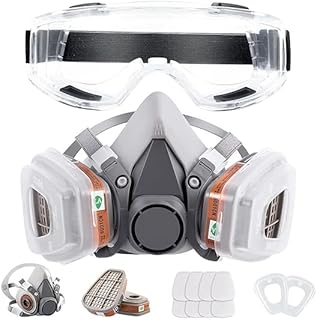
Best Tool Accessories for Home, Workshop & Professional Use Products online india
Explore our real-time updated product directory index curated for performance, verified star metrics, and historical consumer trust rankings.
Verified Deal Selections
51 Items Indexed


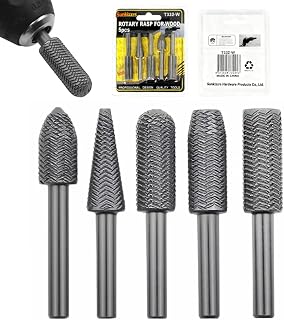


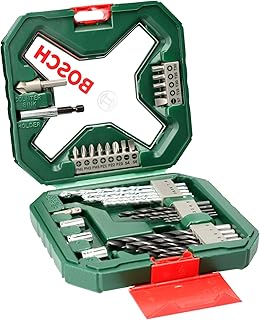


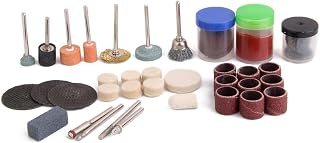


Shop Tool Accessories for Everyday Projects
Tool accessories can make a basic toolkit more versatile and convenient. Whether you handle occasional household repairs, enjoy DIY projects or work regularly in a workshop, the right accessory can help you complete tasks with greater ease. The Tool Accessories category brings together supporting products that can be used with different types of tools and equipment.
Instead of replacing an entire tool, you can often extend its usefulness with a suitable accessory. Depending on the job, this may include replacement or compatible components, attachments, bits, blades, holders, storage solutions and other workshop essentials. Before purchasing, check the product specifications and make sure the accessory matches the tool, size and application you intend to use.
Types of Tool Accessories to Consider
Tool accessories cover a broad range of products because different tools require different supporting components. The right choice depends on the task, the tool you already own and the material you plan to work with.
Accessories for Power Tools
Power tool accessories can support drilling, cutting, sanding, grinding and other applications. Bits, discs, blades and compatible attachments are common examples. Always verify compatibility, dimensions and intended application before using an accessory with a power tool.
Hand Tool Accessories
Hand tool accessories can help organise, maintain or expand a toolkit. Useful additions may include holders, replacement components, sockets and other supporting items. Selecting accessories according to tool size and the specific repair or maintenance task can make your work more organised.
Workshop and DIY Essentials
For workshops and home projects, accessories can improve preparation and storage as well as tool operation. Keeping frequently used accessories together can reduce interruptions while working. Storage and organisation products can also help protect smaller components from becoming misplaced.
How to Choose Tool Accessories Online in India
Choosing the right accessory starts with identifying the tool and application. Check the tool manufacturer's specifications where available and compare them with the accessory details. Pay attention to measurements, fitting type, compatibility, material and intended use.
For cutting, drilling, sanding or grinding applications, select an accessory designed for the material and task. For example, an accessory intended for one material may not be appropriate for another. Similarly, accessories designed for a particular tool size or connection should not be assumed to fit every model.
It is also useful to consider how frequently you will use the accessory. Occasional DIY users may focus on versatility and convenient storage, while workshop users may need accessories suited to repeated applications. If you are purchasing several items, organising them by tool or task can make your toolkit easier to manage.
Tool Accessories for Home Repair and DIY
A well-prepared home toolkit can help with routine maintenance and small repair projects. Tool accessories can complement screwdrivers, drills, saws and other commonly used equipment. Having the appropriate supporting accessories available can reduce the need to pause a project and search for a suitable component.
DIY enthusiasts can also build a more flexible toolkit by selecting accessories around their most common projects. Rather than buying every available accessory, identify the tasks you regularly perform and choose compatible products accordingly. This approach can keep your collection practical while avoiding unnecessary items.
Accessories for Workshop and Professional Tasks
Workshop users often require accessories for repeated and varied applications. Compatibility, durability, dimensions and application suitability become especially important when an accessory is used frequently. Keeping commonly needed items organised can also improve workflow and make tool preparation more efficient.
Before starting any professional or demanding task, inspect accessories for visible damage or excessive wear. Follow the operating instructions supplied with the tool and accessory. Use appropriate protective equipment and make sure the accessory is correctly fitted before operation.
Why the Right Tool Accessory Matters
The correct accessory can help you use a tool for its intended application and prepare for different types of work. It can also provide a convenient way to replace compatible components instead of purchasing another complete tool. However, an accessory should always be selected according to the manufacturer's compatibility information and the requirements of the task.
When shopping online in India, compare product specifications carefully. Look at dimensions, compatibility information, quantity, material and intended application before placing an order. If the listing provides model or fitting information, compare it with your existing tool to reduce the risk of choosing an unsuitable accessory.
Build a More Useful Toolkit
A practical toolkit is not necessarily the largest one. It is the one that contains the tools and accessories you are most likely to need. Start with accessories that support your regular repair, maintenance or DIY activities, then expand your collection as new requirements arise.
Whether you are preparing a home repair kit, upgrading a DIY setup or organising a workshop, explore the Tool Accessories category to find supporting products for different applications. Make compatibility and safe use a priority, and select each accessory based on the specific tool and task.
Introduction
Find practical tool accessories for everyday repairs, DIY projects, maintenance work and workshop tasks. Explore accessories designed to complement different hand tools, power tools and equipment, helping you choose useful additions for your toolkit in India.
Frequently Asked Questions
What are tool accessories?
Tool accessories are supporting products used with hand tools, power tools or workshop equipment. They can include attachments, bits, blades, discs, replacement components, holders and other items that support specific tasks.
How do I choose the right tool accessory?
Identify the tool and task first, then check the accessory's compatibility, dimensions, fitting type, material and intended application. Manufacturer specifications are useful when confirming whether an accessory is suitable.
Can tool accessories be used with any tool?
No. Accessories are designed for particular tools, fittings, sizes or applications. Always check compatibility information before using an accessory.
Are tool accessories useful for home DIY projects?
Yes. Suitable accessories can complement common DIY tools and help with tasks such as drilling, fastening, cutting, sanding and general maintenance.
What should I check before buying tool accessories online in India?
Check compatibility, dimensions, fitting type, quantity, material and intended use. Compare these details with your existing tool and the requirements of your project before purchasing.
How should tool accessories be stored?
Store accessories in a clean, dry and organised location. Small components can be grouped by tool or application so they are easier to identify when needed.
When should a tool accessory be replaced?
Replace an accessory when it shows damage, excessive wear, deformation or other signs that may affect safe and proper operation. Follow the tool and accessory manufacturer's guidance whenever available.
Frequently Asked Questions (FAQ)
❓ How are these Tool Accessories for Home, Workshop & Professional Use options ranked?
Our custom data engine continuously scans product entries to verify high-performing items that carry a consistent rating above 4.2 stars, filtering out unreliable listings or items with artificial review jumps.
❓ Does clicking outbound links increase my checkout price?
Absolutely not. All generated product buttons use standard, secure commercial tracking tags. The item cost values reflect the official live marketplace catalog pricing identically.
❓ How often are the pricing deals updated on this page?
Our data tables utilize automated cache transients refreshed continuously throughout the week to fetch the freshest inventory nodes, live pricing metrics, and tracking structures.
❓ Are these products backed by standard consumer warranties?
Yes. Because our directory routes you directly to the verified official listing pages on Amazon, your purchases qualify for complete merchant protections, returns, and original brand manufacturing warranties.