

♥ Wishlist
Compare 42 verified Bags & Luggage for Everyday Use, Work & Travel products in India. Reviews, ratings, pros, cons and buying advice updated for October 2026.
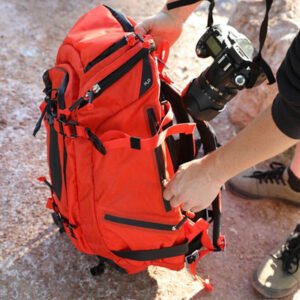
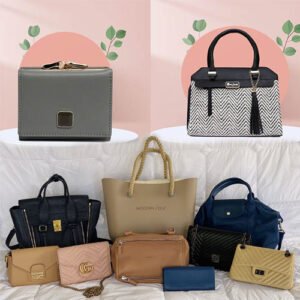
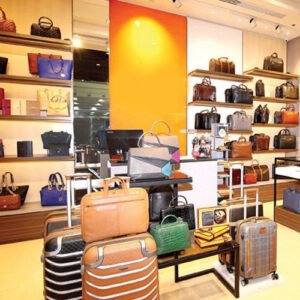
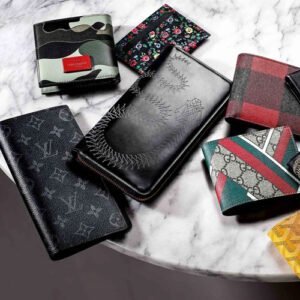


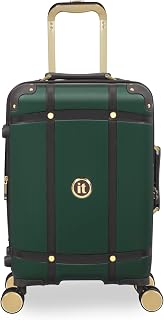


Finding genuinely good-value bags and luggage is not simply a matter of choosing the lowest price. A useful value pick should balance purchase cost with construction quality, usable capacity, comfort, security, durability, warranty terms where applicable, and the way the bag will actually be used. A suitcase that looks inexpensive can become poor value if its wheels, handles, zippers or shell fail quickly, while a moderately priced backpack can be excellent value when it provides better organisation, stronger materials and more comfortable carrying.
For Indian shoppers, the decision also needs to account for conditions that can be particularly demanding on travel gear. Frequent road travel, railway platforms, crowded airports, uneven pavements, monsoon moisture, dust, heat and long periods of carrying or rolling luggage can expose weaknesses that are less obvious when a product is viewed online. This makes specification checking especially important before buying.
This extended guide explains the features that deserve the most attention when comparing value-focused bags, backpacks, duffel bags, trolley bags, cabin luggage and larger suitcases in India. Brands such as American Tourister, Samsonite, Safari, VIP, Skybags, Wildcraft, Aristocrat and Nasher Miles are among the familiar names shoppers may encounter, but the right choice should ultimately be based on the specifications and intended use of the individual product rather than the brand name alone.
Best value does not necessarily mean the cheapest product. In luggage and bags, value is better understood as the amount of useful performance received for the money spent.
The strongest value proposition is usually the product that meets your actual travel requirements without making you pay for features you will rarely use.
Cabin luggage is designed for travellers who want to take a compact bag into the aircraft cabin when permitted by the airline. Dimensions and weight restrictions vary between airlines, aircraft and fare types, so shoppers should check the current requirements of their airline before purchasing.
A good cabin trolley should combine compact external dimensions with efficient internal packing space. Four-wheel spinner designs can be convenient in airports because the suitcase can often be manoeuvred beside the traveller rather than pulled behind them. However, wheel housings can occupy some internal space, so comparing actual dimensions and usable capacity is more informative than looking only at a litre figure.
Medium luggage is often suitable for shorter holidays, business trips or travellers who prefer to pack relatively lightly. Larger check-in suitcases are more useful for extended journeys, family travel or situations where bulky clothing and additional belongings must be accommodated.
Large capacity should not automatically be considered better. An oversized suitcase can become difficult to lift, manoeuvre and keep within airline weight restrictions. The better value choice is the size that matches the length and nature of your trips.
Backpacks are versatile options for college, commuting, office use, short trips and carry-on travel. For daily use, look for padded shoulder straps, a supportive back panel, strong stitching and practical organisation. Laptop protection is especially important if a computer is routinely carried.
Travellers should also distinguish between a casual daypack and a travel backpack. A travel-focused backpack may include a clamshell opening, luggage pass-through, compression straps and dedicated compartments, whereas a traditional daypack may prioritise quick access and lighter weight.
Duffle bags are useful when flexible storage is more important than rigid structure. They can work well for gym use, short trips, sports equipment and informal travel. Look for reinforced handles, durable shoulder straps, robust zippers and a base that can tolerate contact with floors and luggage compartments.
Professionals travelling with formal clothing may prefer garment bags or business-oriented luggage. The key considerations include clothing protection, folding design, document organisation, laptop compatibility and the ability to attach the bag to trolley luggage.
For students and everyday commuters, value is closely connected to comfort and durability. A bag that distributes weight properly and has reinforced shoulder-strap attachment points may be more useful over the long term than a cheaper bag with attractive styling but limited support.
Hard-shell luggage generally provides a structured exterior and can offer useful protection for packed contents. Common shell materials include ABS, polycarbonate and polypropylene, with different products using different constructions and blends.
Material name alone does not determine luggage quality. Shell thickness, construction, corners, frame design, wheel attachments, handle mounting and overall manufacturing quality can have a significant effect on real-world performance.
Soft luggage can be advantageous when flexibility and external storage are priorities. Fabric suitcases may provide easier access to front compartments and can sometimes accommodate awkwardly shaped items more easily.
For fabric luggage, examine the fabric specification, stitching, zipper construction, reinforcement around handles and wheels, and the quality of the internal frame. Water resistance should also be distinguished from waterproofing; a product described as water resistant should not automatically be treated as suitable for prolonged exposure to heavy rain.
The material should be selected according to how and where the luggage will be used. Frequent flyers may prioritise impact resistance and weight, while occasional travellers may place greater importance on affordability and storage features.
Polycarbonate is frequently associated with premium and mid-range hard luggage. It can provide a useful combination of strength and relatively low weight, but the quality of the finished suitcase still depends on its construction.
ABS can be attractive to budget-conscious shoppers because it is commonly used in affordable hard luggage. It can be a sensible choice for occasional travel when the overall suitcase is appropriately designed and handled with reasonable care.
Polypropylene luggage can offer a useful combination of flexibility and impact resistance. Its suitability depends on the particular suitcase design, shell construction and hardware.
Polyester and nylon are widely used in backpacks, duffel bags and soft luggage. Higher denier numbers can indicate a heavier or denser fabric, but denier should not be treated as a complete durability rating. Weave, coating, stitching and reinforcement are also important.
Wheels are easy to overlook when shopping online, yet they have a major effect on everyday luggage usability. A suitcase with an excellent shell can still be frustrating if its wheels are noisy, unstable or difficult to manoeuvre.
Two-wheel luggage is generally pulled behind the traveller and may perform well on some uneven surfaces. Four-wheel spinner luggage is designed for greater manoeuvrability and can be easier to move through airports, hotels and smooth floors.
Before buying, check wheel clearance, wheel attachment, rotation and whether replacement components or service support are available where applicable.
A telescopic handle should extend and retract smoothly and feel stable when fully extended. Excessive lateral movement can make a suitcase harder to control, particularly when it is heavily packed.
Compare the number of locking positions, handle construction and how the handle integrates with the suitcase body. A handle that is recessed into the case may be better protected from direct impacts, while an external handle arrangement can affect internal packing space.
Zippers are another common stress point. When comparing bags, look for smoothly operating zipper tracks, secure pulls and reinforced stitching around frequently loaded openings.
Some luggage includes combination locks or compatibility with recognised travel-security locking systems. The presence of a lock does not make luggage completely theft-proof, so security should be considered as one part of a broader travel-safety strategy.
For backpacks, hidden or lockable compartments can be useful in crowded environments. However, shoppers should consider accessibility as well. A highly concealed pocket is less useful if accessing it repeatedly becomes inconvenient.
Two suitcases with identical external dimensions can feel very different when packed because of their internal layouts. Look for features such as compression panels, divider compartments, zippered sections, cross straps and practical accessory pockets.
More compartments are not always better. Too many small pockets can reduce flexibility and make larger items difficult to organise. Choose an internal layout based on the belongings you routinely carry.
Manufacturers may provide luggage capacity in litres, but capacity figures should be considered alongside external dimensions. Two products advertised with similar capacity may have different usable interiors because of wheel housings, handles, frames and internal dividers.
For air travel, external dimensions and permitted weight can be more important than advertised capacity. A very large suitcase is only useful if you can legally and practically transport it.
Airline policies can change, so travellers should always check the latest baggage allowance and size restrictions directly with the airline before a flight.
This is particularly important when comparing luggage sold across different marketplaces because marketing terminology is not a substitute for the airline's current official requirements.
Rail travel can place different demands on luggage compared with air travel. Bags may need to be carried over platforms, lifted into storage areas and manoeuvred through narrow spaces.
For railway journeys, manageable weight, strong handles and practical dimensions can be more important than premium shell materials. A suitcase should be easy enough to lift without excessive strain, especially when stairs or uneven platform surfaces are involved.
Road-trip luggage often benefits from flexibility and efficient packing. Soft bags can be useful when luggage must fit into irregularly shaped vehicle storage areas, while structured cases can provide better organisation and protection.
For car travel, consider whether the luggage can be stacked safely without damaging wheels or handles. Duffel bags can be particularly useful when space needs to be maximised.
Indian weather conditions make moisture management worth considering. No luggage should be assumed to be completely waterproof unless the manufacturer specifically states that it has been designed and tested for that level of protection.
A travel backpack should be evaluated differently from a conventional school or office backpack. A good travel model can make packing and security considerably easier, particularly for short trips.
Padded shoulder straps and a supportive back panel can improve comfort when the backpack is carried for longer periods. If the backpack is intended for substantial loads, a sternum strap or additional load-management features may be useful.
A dedicated laptop compartment should hold the device securely and provide some separation from the outer shell and other contents. Check the stated maximum laptop size rather than assuming that a compartment will fit every 15-inch or 16-inch computer.
Clamshell backpacks open more like a suitcase and can make packing easier. This design can be particularly useful for travellers who want to organise clothing rather than simply fill a top-loading compartment.
A rear luggage sleeve can allow a backpack to slide over the telescopic handle of a suitcase. This is a small feature that can make airport transfers considerably more convenient.
Price categories are useful for narrowing choices, but they should not be treated as a direct measure of durability.
Budget luggage can make sense for occasional travel, students, first-time buyers or shoppers who do not need advanced features. The priority should be finding a product with sensible construction rather than simply selecting the lowest listed price.
Mid-range products often provide a broader combination of useful features, improved organisation and more refined hardware. This category can be attractive to regular travellers who want a balance between cost and functionality.
Premium luggage may provide lighter materials, more advanced construction, refined wheels, improved internal organisation or additional service support. However, the extra expenditure is worthwhile only when those advantages are relevant to your travel frequency and requirements.
Customer reviews can provide useful buying information, but the most helpful approach is to look for repeated patterns rather than relying on a single five-star or one-star comment.
When evaluating reviews, look for comments about wheels, zippers, handle stability, stitching, shell flexibility, actual internal capacity, comfort and long-term use. Reviews that explain how the product was used are generally more informative than comments that only state that the product looks good.
Also distinguish between product-related complaints and delivery-related complaints. A damaged parcel, delayed shipment or packaging issue may not necessarily indicate that the luggage itself is poorly constructed.
Established brands can make comparison easier because they often offer multiple product ranges, but shoppers should still compare the individual model.
The best approach is to compare shell or fabric material, dimensions, empty weight, capacity, wheel design, handle construction, compartments, lock features and applicable warranty information for the exact model.
Use the following checklist when narrowing down your final options:
Occasional travellers generally do not need the most expensive suitcase. A sensible mid-budget option with reliable basic construction, practical capacity and decent organisation can provide better value than premium luggage with advanced features that are rarely used.
Frequent flyers should place greater emphasis on empty weight, wheel performance, handle construction, shell or fabric durability and airline-compatible dimensions. The additional cost of a better-built suitcase can make more sense when the product is used repeatedly throughout the year.
Students may benefit from versatile backpacks with laptop protection, strong shoulder straps, water-resistant materials and enough organisation for books, electronics and personal belongings. A backpack that can be used for both college and short trips may provide particularly strong practical value.
Office users should prioritise laptop protection, document organisation, comfortable straps, professional styling and manageable weight. A compact backpack or messenger-style bag may be more practical than larger travel luggage for everyday commuting.
Families often benefit from a combination of luggage sizes rather than multiple oversized suitcases. Medium cases can make packing and lifting easier, while a separate cabin bag or backpack can keep essential items accessible during the journey.
A compact duffel, travel backpack or small trolley can be more practical than a large suitcase. Choose based on how much clothing you normally carry and whether you need dedicated compartments for electronics and toiletries.
There is no universal price point that guarantees the best value. Instead, establish your requirements first and then compare products within the appropriate price range.
For occasional use, spending significantly more may not provide a meaningful benefit if a simpler model already satisfies your needs. For frequent travel, however, durability, lower empty weight and better wheels may justify a higher initial purchase price.
A useful way to compare value is to ask how often the luggage will be used. A product used several times every month deserves a different evaluation from a suitcase that may be used once or twice a year.
Lightweight luggage is attractive because every kilogram saved from the suitcase itself can potentially be used for belongings. However, extreme emphasis on low weight can lead shoppers to overlook structural support and hardware quality.
The goal is not simply to find the lightest suitcase. Look for a sensible balance between empty weight, shell or fabric construction, wheel strength, handle stability and the level of protection you require.
Expandable luggage can provide additional packing flexibility when needed. This can be useful when a traveller purchases items during a trip or wants extra space for bulky clothing.
The disadvantage is that expansion can encourage overpacking and may increase the external dimensions beyond what is practical for certain airline restrictions. If you choose an expandable model, check both its standard and expanded dimensions.
Spinner luggage is popular because it can be moved in multiple directions. This can make airport navigation easier, particularly when travelling through crowded terminals.
However, spinner wheels can extend beyond the suitcase body and may receive more exposure to impacts. When comparing products, pay attention to wheel placement, clearance and protection rather than assuming that every four-wheel design offers the same durability.
Comfort depends on more than padding thickness. Shoulder-strap shape, strap width, back-panel structure, load distribution and the position of heavy items can all influence carrying comfort.
For heavier loads, a backpack should sit securely without forcing the wearer to lean excessively forward. Adjustable straps are essential because the correct fit depends on body size and how the bag is packed.
Remove dust and dirt from wheels, corners, zippers and fabric surfaces. Follow the manufacturer's cleaning instructions, especially for coated fabrics and specialised shell finishes.
Hair, threads, dust and small debris can accumulate around wheels. Inspect them periodically and remove visible debris carefully without damaging the wheel assembly.
Overpacking places additional stress on zippers, seams, handles and wheel attachments. If the suitcase is difficult to close or the fabric is visibly stretched, the load may be excessive.
After travelling in wet weather, allow luggage to dry fully before long-term storage. Keeping damp bags closed can contribute to unpleasant odours and material deterioration.
Avoid using the extended trolley handle as a lifting handle unless the manufacturer specifically designs it for that purpose. Lift the suitcase using its designated carry handles.
Before an important journey, check wheels, handles, zipper pulls, locks, seams and straps. A small problem discovered at home is much easier to address than a failure during travel.
Even a well-designed suitcase can become difficult to handle when packed incorrectly. Place heavier items closer to the base and distribute weight as evenly as possible. Use internal compression features when available, but do not force the case beyond its intended capacity.
Keep travel documents, medications, chargers and other essentials in an accessible location. Valuable electronics should be packed with appropriate protection rather than placed loose among clothing.
For backpacks, heavy items should generally be positioned so the load remains balanced and close to the body. This can improve carrying comfort compared with placing all heavy items at the outermost part of the bag.
When two suitcases look almost identical, create a direct specification comparison instead of relying on photographs. Record the following:
This method helps reveal differences that are easy to miss when two products have similar colours, shapes and marketing photographs.
Online luggage listings can contain a large amount of information, but not every specification is equally useful. Start with the dimensions and weight, then examine material, wheel type and internal construction.
Check whether dimensions include wheels and handles. This detail can matter when determining whether a suitcase complies with a particular baggage limit. Also verify whether the stated capacity refers to the full internal space or an expandable configuration.
When comparing listings across retailers, make sure you are comparing the same model number or exact product variant. Similar names and photographs can sometimes represent different sizes or collections.
Paying more can be sensible when the additional cost directly addresses a requirement. Frequent travellers may benefit from lighter construction, stronger wheels or more durable hardware. Business users may value better laptop protection and organisation. Families may prioritise larger capacity and easier manoeuvrability.
The key is to identify the feature responsible for the price difference. If the more expensive product mainly adds styling that does not improve your use case, the cheaper alternative may be the stronger value.
A lower-priced product can be the better choice when travel is infrequent, usage is light or replacement cost is less important than immediate affordability. Students, occasional holiday travellers and people buying a spare suitcase may not need premium construction.
Even in the budget category, however, avoid obvious compromises in essential components such as wheel attachment, handles, zippers and load-bearing seams.
If your priority is occasional holiday travel, concentrate on sensible dimensions, adequate durability and reasonable price.
If your priority is frequent air travel, place more emphasis on empty weight, wheels, handles, dimensions and construction quality.
If your priority is daily commuting, focus on comfort, laptop protection, organisation and weather resistance.
If your priority is college or student use, consider durability, ergonomic carrying, capacity and versatility.
If your priority is short trips, a compact backpack or duffel may be more convenient than a full-size suitcase.
If your priority is family holidays, compare a coordinated range of sizes rather than automatically buying the largest suitcase available.
The best value luggage choice is the one that fits your actual travel habits, not simply the product with the most features or the lowest listed price. Start by determining the type and size of bag you need. Then compare empty weight, dimensions, material, wheel design, handle construction, internal organisation and security features.
For frequent travellers, durability and ease of movement can justify spending more. For occasional users, a simpler and less expensive product may provide excellent value. For backpacks, comfort and load distribution deserve as much attention as appearance. For cabin luggage, current airline restrictions should always be checked before purchase.
Brands including American Tourister, Samsonite, Safari, VIP, Skybags, Wildcraft, Aristocrat and Nasher Miles can be useful starting points for comparison, but the exact model specifications should determine the final decision.
Before placing an order, compare the latest specifications, customer feedback, applicable warranty information and today's price across reputable retailers. A careful model-by-model comparison is usually more reliable than choosing based solely on brand reputation, photographs or promotional claims.
There is no single best type for everyone. A compact spinner can be convenient for air travel, a medium suitcase can suit many holiday journeys, while a backpack or duffel may be better for short trips. The correct choice depends on travel frequency, transportation method, packing habits and budget.
Neither is universally better. Hard-shell luggage provides a structured exterior, while soft luggage can offer flexibility and convenient external pockets. Consider the type of travel and the contents you normally carry.
Polycarbonate and ABS have different characteristics, and the exact construction matters. Polycarbonate is often selected for a balance of strength and weight, while ABS is commonly used in value-oriented rigid luggage. Compare the complete suitcase rather than judging quality from material name alone.
They can be especially convenient on smooth airport and hotel floors because they offer multidirectional movement. If you frequently travel over rough surfaces, compare wheel size and construction carefully because not all spinner designs perform identically.
Choose according to trip length, packing habits and transportation restrictions. Cabin luggage is suitable for shorter trips when permitted, medium cases can work well for many holidays, and larger cases are useful for longer journeys or family packing. Always check the relevant airline limits before flying.
Start with external dimensions, empty weight, material, wheel configuration and handle construction. Then examine internal organisation, security features, expansion capability and warranty information where applicable.
No. Lightweight construction can be valuable, especially when airline weight limits matter, but durability and hardware quality should not be sacrificed simply to reduce empty weight.
Very important. Wheels affect manoeuvrability and can be one of the most heavily used components. Consider wheel design, attachment quality, clearance and suitability for the surfaces where you normally travel.
An expandable suitcase can be useful if you regularly need additional packing space. However, check the expanded dimensions because additional capacity can make the suitcase unsuitable for some airline restrictions.
A practical travel backpack should offer comfortable straps, suitable back support, sensible organisation, adequate capacity and secure storage. Frequent travellers may also value a laptop compartment, luggage pass-through and suitcase-style opening.
No. Brand reputation can be useful, but durability varies by product range and model. Compare the exact materials, construction, hardware, specifications and applicable warranty instead of assuming that price alone indicates longevity.
Compare the exact model across reputable retailers, verify the dimensions and weight, read recent customer feedback for recurring issues, review warranty conditions where applicable and compare today's prices before deciding. Avoid comparing products only by photographs or headline capacity.
There is no single feature for every traveller, but frequent users should generally give serious attention to durability, wheel performance, handle stability, manageable empty weight and dimensions that suit their usual airline and travel requirements.
Inspect it before major trips and periodically if it is used frequently. Pay particular attention to wheels, handles, zippers, seams and straps. Early detection of wear can prevent a small problem from becoming a travel disruption.