

♥ Wishlist
Compare 44 verified Bedroom Armoires for Stylish and Organised Storage products in India. Reviews, ratings, pros, cons and buying advice updated for October 2026.


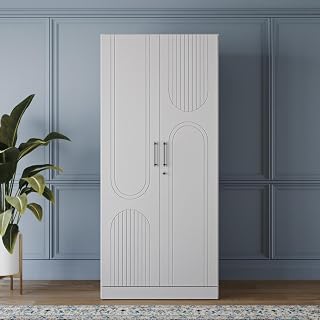


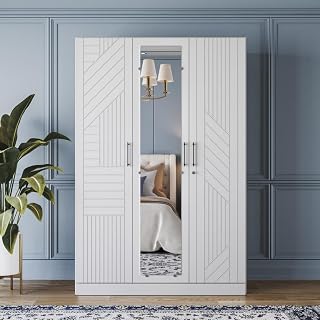


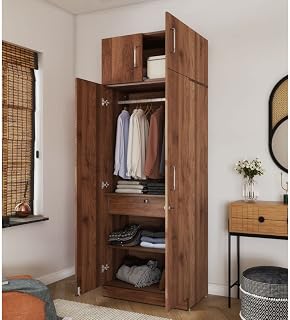


A bedroom armoire can solve several storage problems at once, particularly when a room does not have a large built-in wardrobe. The best choice depends on more than appearance. Before comparing individual models, consider the available floor area, internal storage layout, construction material, door configuration, ventilation, assembly requirements and the type of clothing or household items you intend to store.
For Indian homes, these considerations are especially important because bedrooms can vary considerably in size and layout. A compact urban bedroom may benefit from a narrow two-door wardrobe, while a larger master bedroom may accommodate a wider armoire with multiple compartments, drawers and hanging sections. Climate also matters: moisture, humidity and seasonal temperature changes make material quality and sensible placement important factors when choosing furniture.
Good value does not necessarily mean choosing the cheapest armoire. A lower-priced unit can become poor value if its panels are weak, hinges deteriorate quickly, drawers are difficult to use or the internal layout wastes valuable storage space. Conversely, a more expensive model can be worthwhile when its construction, capacity and functionality better match long-term needs.
The terms armoire and wardrobe are often used interchangeably, especially in Indian online furniture listings. In practical buying terms, both generally refer to freestanding clothing storage furniture with enclosed compartments. The difference is often one of style and configuration rather than a strict technical definition.
An armoire traditionally has a furniture-like appearance and may include a combination of hanging space, shelves and drawers. A modern wardrobe can have a similar arrangement but is frequently designed with a more contemporary, space-efficient profile. When shopping online, focus on the actual dimensions, storage layout and construction specifications instead of relying solely on the product name.
One of the most common furniture-buying mistakes is measuring only the wall where the armoire will stand. A large unit must also pass through the home's access route. Measure the bedroom entrance, corridors, stairways, lift doors where relevant and any narrow turns between the delivery point and the final location.
For sliding-door designs, verify the required front clearance differently from a hinged model. Sliding doors generally do not require the same swing area, but the cabinet itself still needs adequate space for installation and access to shelves or drawers.
External width, depth and height provide only part of the storage picture. Two armoires with similar external dimensions can have very different usable capacity because of differences in panel thickness, internal partitions, drawer mechanisms and door construction.
Consider the width of each hanging section rather than simply counting the number of compartments. If the armoire is primarily for shirts, trousers, dresses or jackets, hanging space may be more valuable than numerous small shelves. If folded clothing is the priority, adjustable shelves and drawers can provide a more efficient arrangement.
Also consider the height of the hanging rail. Long garments require more vertical clearance, whereas shirts and folded clothing can work within shorter sections. A flexible interior is usually preferable when the armoire needs to serve different storage requirements over several years.
Material selection has a major influence on appearance, weight, durability, maintenance and price. Product descriptions should be examined carefully because terms such as “wood,” “engineered wood” and “wood finish” can describe very different constructions.
Solid wood furniture can offer a substantial, traditional appearance and may be highly durable when properly constructed and maintained. However, it can be heavier and more expensive than engineered alternatives. Natural wood can also respond to changes in humidity, so construction quality and environmental conditions matter.
Engineered wood products are widely used for contemporary bedroom furniture because they can provide consistent panels, predictable dimensions and a broad range of finishes. MDF, particleboard and related sheet materials should not be treated as identical; their density, moisture resistance, surface finish and structural properties can differ.
Plywood is made from layers of wood veneer and is often selected for furniture applications where dimensional stability and strength are important. The exact quality depends on the grade, thickness, manufacturing and finish. Do not assume that every product described simply as “plywood” has the same performance characteristics.
Metal may be used for frames, handles, rails, hinges or support components. The quality of these components matters because clothing storage furniture is repeatedly opened, closed, loaded and unloaded. Look for clearly specified hardware rather than assuming that a premium-looking exterior automatically means premium internal components.
The outer finish affects both appearance and everyday maintenance. Laminated surfaces can be practical for regular household use, while painted or decorative finishes may provide a different visual character. The important point is to understand what the manufacturer actually specifies rather than treating every decorative wood appearance as real timber.
For an Indian bedroom, consider how easily the surface can be dusted and wiped. Dark glossy finishes may show fingerprints and dust more readily than textured or lighter surfaces. Textured wood-look finishes can provide a warmer appearance while helping the furniture coordinate with existing bedroom furniture.
Hinged doors provide straightforward access because the entire front section can generally be opened. They are often a good choice when there is sufficient clearance in front of the furniture. However, the door swing needs to be considered when positioning the armoire close to a bed or another piece of furniture.
Sliding doors can be useful where front clearance is limited. They can create a streamlined appearance and avoid the outward swing of conventional doors. Their tracks and rollers should be inspected carefully because smooth operation depends on proper installation and hardware quality.
Some designs combine closed compartments with open shelving. This can make frequently used items easier to reach while keeping less attractive or less frequently used belongings concealed. Open sections do, however, require more frequent dusting.
A long list of compartments does not automatically indicate better storage. Compare the features according to the objects you plan to keep inside the armoire.
When evaluating a shortlist of bedroom armoires, use the same criteria for every product. This makes it easier to distinguish genuinely useful value from attractive but less practical specifications.
Customer reviews can provide useful information, but the most valuable reviews are specific. A short five-star rating tells you considerably less than a detailed review discussing assembly quality, panel alignment, drawer operation, dimensions and everyday use.
Look for repeated patterns rather than isolated complaints. If multiple customers independently mention the same issue, such as difficult assembly or doors requiring adjustment, it deserves attention. Similarly, recurring positive comments about clear instructions, strong packaging or useful internal space can help identify practical advantages.
Review photographs can also be useful for judging scale and finish, although room lighting and camera processing can make colours appear different from the actual furniture.
Large bedroom armoires can involve considerably more assembly than smaller household furniture. Before purchasing, determine whether the product arrives assembled or flat-packed and understand what installation is expected.
Check the product documentation for the number of components, assembly instructions, required tools and recommended installation approach. A tall cabinet should be assembled on a sufficiently level surface, and any supplied anti-tip hardware should be installed according to the manufacturer's instructions.
Do not underestimate the space required during assembly. A cabinet that eventually fits against a bedroom wall may need significantly more floor area while panels are being joined.
Stability should be treated as a core buying criterion rather than an optional feature. Tall furniture can present a tipping hazard if it is poorly assembled, overloaded or placed on an unsuitable surface.
In a compact bedroom, storage efficiency matters more than simply choosing the largest cabinet that will fit. A tall and relatively narrow design can use vertical space efficiently, provided it remains stable and can be properly anchored where appropriate.
Sliding doors can be useful when the bed is positioned close to the wardrobe area. Multi-purpose storage can also reduce the number of separate furniture pieces required. For example, an armoire with a sensible combination of hanging space and drawers may eliminate the need for an additional small storage cabinet.
A larger master bedroom gives you more flexibility, but capacity should still be planned. Two smaller storage units can sometimes provide better organisation than one oversized cabinet, particularly when two people need separate clothing areas.
For shared bedrooms, compare the internal layout carefully. Separate hanging sections, drawers and shelves can make daily organisation easier and reduce the tendency to mix clothing categories together.
Flat fronts, simple handles and neutral finishes work well with contemporary bedrooms. The emphasis is generally on clean lines and efficient storage rather than decorative detailing.
Panelled doors, wood-look finishes and more substantial hardware can complement traditional interiors. Solid-looking construction and warmer finishes may be more important visually than maximum storage density.
Light finishes, simple geometry and restrained hardware can help keep a smaller bedroom visually open. These designs can work particularly well where natural light is limited.
Metal details combined with wood-look panels can create an industrial aesthetic. When selecting such furniture, inspect the actual structural materials rather than choosing purely on appearance.
Routine maintenance helps preserve both the finish and the hardware. Dust surfaces regularly with an appropriate soft cloth and follow the manufacturer's cleaning instructions for the specific material and finish.
Avoid excessive water when cleaning furniture panels. Moisture can be particularly problematic for materials that are not designed for wet environments. Wipe accidental spills promptly and maintain reasonable ventilation in rooms that experience elevated humidity.
Periodically inspect handles, hinges, drawer runners, shelves and mounting points. If doors become misaligned or hardware becomes loose, address the issue rather than continuing to operate the furniture under abnormal resistance.
The correct amount depends on your wardrobe rather than the number of people using the room alone. Count the garments that genuinely need hanging and consider seasonal changes. Shirts, trousers, jackets, dresses and traditional Indian garments may have very different space requirements.
For a shared armoire, divide hanging and folded storage intentionally. Giving each person a defined section can make the furniture more practical than simply maximising total capacity.
Some features increase convenience without being necessary for everyone. Mirrors can be useful in bedrooms where wall space is limited, while additional drawers can improve organisation for accessories and smaller garments. Adjustable shelving is valuable when storage needs are uncertain.
Do not pay a premium simply because a product has more features. Every additional component should be evaluated in terms of whether it solves a genuine storage problem.
Indian furniture shoppers may encounter products from established furniture and home brands such as Wakefit, Godrej Interio, Nilkamal, Home Centre, Pepperfry and IKEA, alongside numerous marketplace sellers and independent manufacturers. Brand familiarity can be a useful starting point, but it should not replace specification-level comparison.
When comparing products from different brands, examine construction, dimensions, storage configuration, hardware, assembly requirements and current customer feedback on an equivalent basis. A lesser-known manufacturer may offer an appropriate product, while a recognised brand's individual model may still not suit a particular bedroom.
A value-oriented armoire is generally the better choice when your priority is practical storage at a controlled budget. A premium model may make more sense when you place greater importance on materials, finish, hardware, design details or long-term furniture integration.
The right decision is not necessarily the product with the highest specification count. Consider the features you will use every day and the compromises you are willing to accept. Spending more on a feature that does not solve a real problem rarely improves value.
Furniture prices and availability can change throughout the year, so compare the current listing details rather than relying on an older price seen elsewhere. Check the complete specification sheet, product dimensions, included components and customer feedback before making a decision.
It is also worth comparing similarly sized products rather than comparing only headline prices. A slightly more expensive armoire may provide significantly more usable storage, better organisation or a more suitable configuration. Conversely, a cheaper product can be the smarter choice when it meets your requirements without unnecessary extras.
The best option depends on your available space, storage requirements, preferred material, interior configuration and budget. Instead of selecting one model solely because it has a high rating or attractive design, compare dimensions, construction, storage capacity, hardware and current customer feedback.
Yes. A carefully selected armoire can provide substantial vertical storage in a relatively small footprint. Measure both the cabinet and the clearance required for its doors or drawers before buying.
Neither is automatically better for every household. Solid wood can provide a traditional, substantial construction, while engineered wood can offer consistent panels, varied finishes and potentially more accessible pricing. Compare the actual material specifications and construction quality of each model.
They solve different space requirements. Sliding doors can be advantageous when front clearance is limited, whereas hinged doors can provide straightforward access to the cabinet interior. The better option depends on room layout and personal preference.
Start by measuring the available wall area and access route. Then determine how much hanging, folded and drawer storage you require. Do not choose a cabinet based solely on its external dimensions or photographs.
Prioritise detailed reviews discussing assembly, stability, dimensions, storage capacity, door alignment, drawer operation, finish and hardware. Repeated comments are generally more useful than isolated opinions.
A mirror can be useful when bedroom space is limited because it combines storage with another function. However, it is not essential, and buyers should consider whether the additional feature fits their room design and maintenance preferences.
Inspect hardware periodically and whenever you notice loose handles, unusual resistance, misaligned doors or noisy drawer operation. Follow the manufacturer's maintenance instructions for adjustment or replacement of components.
Tall furniture should be assembled correctly and secured according to the manufacturer's instructions where anti-tip or wall-fixing provisions are supplied. Heavy items should generally be stored lower when practical, and drawers or doors should not be used for climbing.
This guide is intended for 2026 shopping decisions in India, but product specifications, prices, availability and customer feedback can change. Always verify the current listing information before purchasing.
The strongest value pick is the armoire that provides the right combination of usable storage, suitable dimensions, dependable construction, practical organisation and manageable installation for your bedroom. There is no universal best model for every Indian household.
Before choosing from the top options, compare the specifications side by side, measure your available space, consider how you actually organise clothing and read recent customer feedback carefully. Paying attention to these details can help you avoid an attractive but impractical purchase and choose bedroom storage that remains useful well beyond the initial purchase.