

♥ Wishlist
Compare 56 verified Coat Racks for Organised Home & Office Storage products in India. Reviews, ratings, pros, cons and buying advice updated for October 2026.


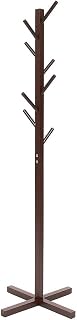







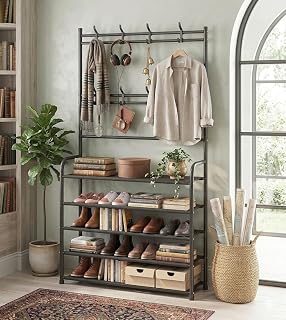


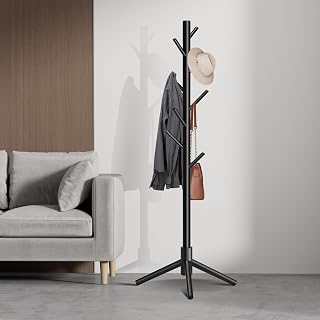


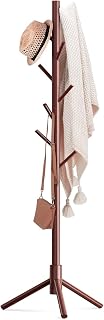


A good coat rack should make everyday storage easier without taking more floor space than necessary. In Indian homes, the right choice depends on where the rack will be used, how many garments it needs to hold, whether it must accommodate footwear or accessories, and how well its construction suits the available room.
For 2026 shopping, value should not be judged by the lowest purchase price alone. A genuinely useful coat rack combines sensible capacity, stable construction, practical dimensions, suitable materials and a design that works with your available space. A slightly more expensive rack can be the better value if it offers stronger support, better organisation or a more suitable footprint.
The best-value coat racks balance several factors rather than excelling in only one area. A low-cost rack that wobbles when loaded with jackets is not particularly good value, while a premium decorative rack may be unnecessary for a basic bedroom or rental apartment.
Freestanding coat racks are among the easiest options for renters and households that do not want to drill into walls. They can be positioned near an entrance, bedroom, dressing area or office and moved whenever the room layout changes.
The main consideration is the base. A tall rack with a narrow footprint can save floor space but may require more careful attention to stability, particularly when several heavy jackets are hung from one side.
Wall-mounted racks are useful when floor space is limited. They can be installed near an entrance, behind a door or in a compact bedroom. Because the rack itself occupies little floor area, this design is particularly attractive for apartments.
Installation is the critical consideration. The wall material, mounting hardware, screw selection and load-bearing capability all matter. Do not assume that every wall-mounted rack can safely support the same weight simply because it has several hooks.
A coat tree typically has a vertical central structure with multiple hooks positioned at different heights. It can provide convenient access to jackets, handbags, scarves, hats and other frequently used items.
This format works particularly well in entryways where several people need quick access to outerwear. However, the taller design makes base stability especially important.
Some multifunctional entryway organisers combine garment hooks with shelves or a lower shoe-storage section. These can be excellent space-saving choices for apartments because one piece of furniture performs several jobs.
Before buying, measure the footwear area carefully. A shelf that is too shallow for commonly worn shoes or too low for larger footwear may reduce the practical benefit of the design.
Shelved racks can provide a useful upper or lower storage surface for bags, hats, folded accessories and small household items. They are often a better choice than a simple hook-only rack when the goal is broader entryway organisation.
Portable racks are useful for rented accommodation, temporary storage, guest rooms and homes where furniture is frequently rearranged. Foldable construction can also make storage easier when the rack is not required.
When considering a foldable design, inspect how the locking or folding mechanism works. Convenience is useful only when the structure remains secure during normal use.
Metal racks are commonly selected for their combination of structural strength, relatively slim profiles and modern appearance. Steel and iron-based constructions can be appropriate for heavier garments when the frame and joints are designed accordingly.
Check the finish as well as the underlying material. A coated metal surface can help protect the frame from everyday wear, while exposed or damaged surfaces may require more care in humid environments.
Wooden coat racks can add warmth to bedrooms, hallways and living spaces. Solid wood can provide a substantial feel, while different wood species and finishes create very different appearances.
Wood is not automatically superior to metal. Construction quality, joinery, finish and base design have a greater influence on suitability than the material label alone.
Engineered wood can provide a furniture-like appearance while allowing manufacturers to create shelves, panels and integrated storage sections. It can be particularly useful for entryway organisers that combine hooks with compartments.
Pay attention to edge finishing and moisture exposure. Engineered-wood furniture generally deserves more protection from prolonged contact with water than a suitably finished metal frame.
Plastic models can be lightweight, economical and easy to move. They may make sense for light garments, children's rooms or temporary storage.
For heavier winter jackets or frequent family use, examine the frame thickness, connection points and base carefully rather than choosing solely on price.
Measurements are among the most overlooked factors when buying a coat rack online. Product photographs can make a rack appear smaller or larger than it really is, so compare the listed dimensions with the actual space available in your home.
Capacity should be assessed according to real household use rather than the number of hooks alone. Six hooks do not necessarily mean six equally useful storage positions. Large winter jackets can occupy substantially more horizontal space than shirts or scarves.
For one person, a compact rack may be sufficient for everyday jackets and bags. Couples may benefit from separate hooks or multiple levels. Families often need a combination of adult-height and child-accessible storage. If the rack will also hold handbags, umbrellas, hats and backpacks, allow additional capacity rather than planning around garments only.
Stability is one of the most important practical considerations for a freestanding rack. A tall structure creates leverage when weight is placed high above the floor, particularly if garments are concentrated on one side.
Look at the relationship between height and base width. A broad, well-supported base generally provides a more stable foundation than an extremely narrow base. Multiple support points, quality joints and sensible weight distribution can also improve everyday usability.
When installing or assembling a rack, follow the manufacturer's instructions and use the specified hardware. Do not exceed stated load limits. For wall-mounted products, use mounting hardware appropriate to the wall construction rather than assuming the supplied hardware is suitable for every surface.
The hook design affects how easily garments can be stored and removed. Rounded hooks can be preferable for delicate clothing, while larger hooks may provide more room for bags and bulky outerwear.
India's varied climate means material selection can matter. Homes in humid coastal areas may place greater emphasis on corrosion-resistant finishes and moisture-conscious construction, while dry inland environments may present different maintenance priorities.
For metal racks, inspect the coating and finish rather than relying only on the word "steel." For wooden products, consider the finish and intended indoor environment. In areas exposed to moisture, avoid positioning furniture where it will receive repeated water splashes or prolonged dampness.
Dust is another practical consideration. Open coat racks naturally expose garments and surfaces to household dust, so a design with accessible surfaces can make regular cleaning easier.
Small Indian apartments often require furniture that performs more than one function. A compact coat rack can create an easily accessible storage zone without requiring a full wardrobe.
For a narrow entrance, prioritise shallow depth and wall-mounted designs. For a bedroom, a vertical standing rack may work well in an unused corner. If footwear and bags are also creating clutter, a combined rack-and-shelf design can provide greater utility than a basic hook stand.
Do not place a freestanding rack where it narrows an important walking route. A rack that looks compact on paper can still become inconvenient if clothing extends into a doorway or corridor.
An entryway rack should make frequently used belongings easy to reach while keeping the entrance visually organised. Consider the items that normally accumulate near the door: jackets, helmets, handbags, backpacks, umbrellas, keys, caps and footwear.
A simple hook rack may be sufficient if garment storage is the primary requirement. A rack with shelves or a shoe section can be more suitable when the entrance also serves as the household's main drop zone.
Bedroom racks can help separate frequently worn clothing from garments stored inside a wardrobe. A standing coat rack can be useful for tomorrow's outfit, outerwear, bags or accessories.
For bedrooms, appearance becomes more important because the rack is part of the room's visible furniture. Minimalist metal designs can suit contemporary interiors, while wooden racks can complement warmer or traditional décor.
A home office or professional workspace may benefit from a compact rack for jackets, bags and other personal belongings. In these environments, a simple design can be preferable because it takes less visual and physical space.
If the rack is intended for visitors, consider a wider model or additional hooks. For personal use, a smaller design may be enough and can help keep the workspace uncluttered.
More features do not automatically mean better value. A buyer who only needs four or five garment hooks may gain little from a large organiser with multiple shelves and compartments.
Similarly, decorative elements can increase the visual appeal of a rack without improving its storage performance. Focus first on capacity, stability, dimensions and material quality, then consider appearance and additional features.
When comparing products, create a short specification checklist instead of judging by photographs alone. The most useful comparison points include dimensions, material, number of hooks, shelf configuration, assembly requirements, stated weight capacity and installation method.
Customer reviews can be useful for identifying recurring practical issues, but they should be interpreted carefully. A single complaint does not necessarily establish a product-wide problem, while repeated comments about the same issue may deserve closer attention.
Look specifically for feedback about assembly, stability, dimensions, finish quality, missing hardware, hook strength and real-world storage capacity. Reviews that explain how the product was used can be more informative than comments that only provide a star rating.
Also compare reviews against the product specification. If a reviewer expected a compact rack to support an unusually heavy load, the complaint may reflect a mismatch between expectations and intended use rather than a manufacturing problem.
Brand familiarity can be one useful part of a buying decision, although it should not replace specification checking. Depending on the product category and current availability, Indian shoppers may encounter names such as IKEA, Nilkamal, Urban Ladder, HomeTown, Solimo and AmazonBasics while comparing home-storage products.
Brand selection should still be based on the specific model. A well-designed product from one manufacturer may be more appropriate for your room than a larger or more expensive model from another. Always compare the current product specifications, construction details and customer feedback for the exact model you are considering.
A rack can look excellent in a product photograph but still be unsuitable for a particular room. Always check dimensions, base footprint, hook arrangement and storage capacity before deciding.
Buyers often focus on the hooks and overlook the foundation. For a freestanding rack, the base has a direct relationship with stability and should receive as much attention as the upper structure.
Several thin shirts require much less space than multiple padded jackets, coats or sweaters. If the rack will be used seasonally for bulky clothing, allow additional capacity.
A rack used as an entryway organiser may quickly become a storage point for backpacks, handbags, helmets, scarves and umbrellas. Plan for these items before choosing a hook-only design.
Always measure the available area. This is especially important for narrow entrances, corridors, behind-door locations and compact bedrooms.
A product may appear simple while still requiring several assembly steps. Check the supplied instructions, required tools and connection system where this information is available.
At the lower end of the market, prioritise stability, functional capacity and basic construction over decorative features. A simple metal or plastic rack can be appropriate when the intended load is light.
The mid-range category often provides a useful balance between appearance, construction and additional storage. This is a sensible area to compare if you want a rack that will remain part of your room's furniture rather than serving as temporary storage.
Higher-priced products may provide more refined finishes, stronger construction, distinctive designs or integrated storage. Before paying more, identify which feature justifies the additional cost for your particular use.
A coat rack is best suited to accessible, frequently used clothing and accessories. It is not a complete replacement for a wardrobe when garments need protection from dust or when substantial enclosed storage is required.
A garment stand can offer more horizontal hanging space and may be preferable for outfits or multiple garments. A wardrobe provides greater protection and storage capacity but consumes more space and usually costs more.
Regular maintenance can help keep a coat rack functional and presentable. Dust the frame and hooks periodically, especially when the rack is positioned near an entrance. Remove excess weight rather than allowing garments and bags to accumulate indefinitely.
For metal products, follow the manufacturer's cleaning recommendations and avoid leaving moisture on surfaces unnecessarily. For wooden and engineered-wood products, use cleaning methods appropriate to the finish and avoid prolonged exposure to water.
Periodically check screws, bolts and joints on assembled freestanding racks. If a component becomes loose, address it before continuing to load the rack. Wall-mounted models should also be checked for any signs of movement or loosening.
Coat racks are generally simple household storage products, but stability still matters. Keep heavier items lower where appropriate, avoid exceeding stated weight limits and position tall racks where they are less likely to be knocked during normal movement.
For homes with children, consider whether hooks are positioned at a safe and practical height. Secure tall furniture according to the manufacturer's instructions where anchoring is recommended. Wall-mounted racks should be attached using suitable hardware for the specific wall construction.
Choose a shallow design or wall-mounted rack. Keep the walking path clear and prioritise frequently used items rather than trying to store an entire household's wardrobe at the entrance.
A taller freestanding rack can work well when there is an unused corner. Consider a model with enough space for jackets, bags and frequently worn garments while matching the room's furniture.
Accessibility is more important than maximum height. Lower hooks can make everyday storage easier, while rounded edges and stable construction deserve particular attention.
A freestanding model avoids permanent wall installation and can be moved when relocating. If a wall-mounted rack is preferred, confirm that installation is permitted and use appropriate mounting methods.
A multi-level organiser with several hooks can provide better organisation than a small single-purpose rack. Consider separating adult clothing, children's items and accessories by height or location.
A coat rack works best when it is part of a simple organisation system. Assign hooks to categories or household members rather than allowing every item to accumulate randomly.
A compact wall-mounted rack or a narrow freestanding model is often the most practical choice. The better option depends on whether drilling is acceptable and how much floor space is available.
Neither material is universally better. Metal can be a practical choice for slim, modern structures, while wood can provide a warmer furniture appearance. Construction quality, stability, finish and intended load should guide the decision.
There is no universal number. Start with the number of regular users and frequently stored items, then add capacity for bulky garments and accessories. More hooks are useful only if the rack has enough spacing to use them comfortably.
Wall-mounted racks save floor space, while freestanding racks offer easier repositioning. Choose based on the available room, wall construction, installation preferences and expected storage requirements.
Many coat racks can hold bags, but suitability depends on hook size, construction and stated load guidance. Heavy backpacks should not be placed on a rack that is designed only for light garments.
Some are, but capacity varies significantly between models. Check the construction, hook strength and manufacturer's load guidance before using a rack for several heavy jackets.
Many freestanding racks require some assembly, while simple wall-mounted products may have different installation requirements. Always check the current product description before ordering.
The ideal height depends on who will use it and what will be stored. Adult garments can be positioned higher, while family or children's storage may benefit from lower hooks. The rack should also remain stable and practical within the room.
Use it according to its intended load, distribute items evenly, keep heavier belongings lower where appropriate and ensure the base and connections are properly assembled. If the manufacturer recommends anchoring, follow those instructions.
Choose one if entrance clutter includes both footwear and hanging items. If you already have adequate shoe storage, a simpler rack may provide better value and occupy less space.
Pay attention to the material, protective finish and care instructions. Avoid unnecessary prolonged moisture exposure and choose construction appropriate to the environment.
Before making a purchase, compare the product against this checklist rather than relying on its appearance or headline rating alone.
The best-value coat rack is the one that solves your actual storage problem without taking unnecessary space or paying for features you will not use. For a compact apartment, dimensions and space efficiency may matter most. For a family entrance, capacity and organisation can take priority. For heavy outerwear, frame construction and stability deserve particular attention.
When comparing options in India in 2026, look beyond star ratings and product photographs. Compare dimensions, materials, hook spacing, base design, storage configuration, assembly requirements and customer feedback for the exact model. Brands such as IKEA, Nilkamal, Urban Ladder, HomeTown, Solimo and AmazonBasics may appear among the options available to Indian shoppers, but the individual product specification should remain the deciding factor.
Prices, sellers, stock status, specifications and customer feedback can change over time. Check the latest information from the retailer before purchasing, and compare more than one suitable model to determine which coat rack offers the strongest combination of practicality, durability, capacity and overall value for your home.