

♥ Wishlist
Compare 51 verified Baby Care Kit for Newborns & Babies products in India. Reviews, ratings, pros, cons and buying advice updated for October 2026.


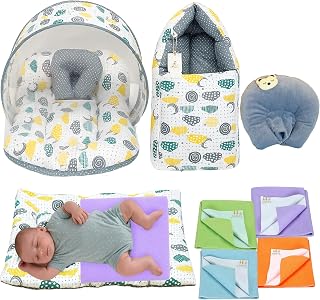


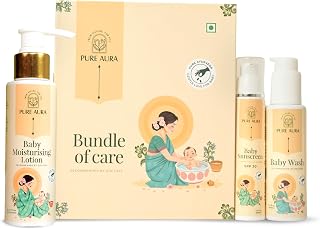


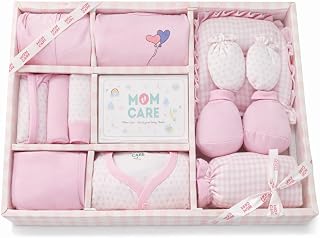

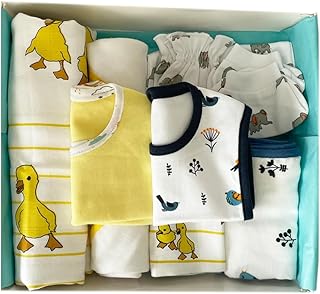


A baby care kit is most useful when it brings together practical grooming, hygiene and everyday-care essentials without filling a nursery drawer with products that rarely get used. For families in India, the best-value choice is not necessarily the kit containing the largest number of items. A better approach is to compare the usefulness, quality, safety features, materials, ease of cleaning and replacement cost of the individual components.
When comparing baby care kits for 2026, consider how the kit will actually be used at home, while travelling, during diaper changes and as part of regular infant grooming. A compact kit with fewer well-designed tools can be more useful than a large set containing duplicate or low-priority accessories.
Kit contents vary considerably between manufacturers, so check the exact product listing rather than assuming that a particular accessory is included. A practical baby grooming kit may contain several of the following:
Not every family needs every component. If you already own a reliable thermometer, nail trimmer or grooming brush, buying another one simply because it appears in a larger kit may not represent good value.
For many households, nail-care tools, a soft brush, comb and a suitable thermometer are more immediately useful than novelty accessories. Before comparing prices, make a short list of the items you genuinely need. Then determine which kits cover those requirements without unnecessary duplication.
Baby grooming tools should be appropriately sized and designed for gentle handling. Adult nail clippers, sharp grooming scissors or coarse brushes are not automatically suitable substitutes simply because they perform a similar basic function.
Material quality matters because baby-care accessories are handled frequently, washed regularly and stored for long periods. Inspect the construction of each component rather than judging a kit solely by its outer case.
Plastic is common in combs, brushes, cases and various grooming accessories. Look for smooth surfaces, secure construction and edges that do not feel unnecessarily sharp. For items that come into direct contact with a baby's skin, avoid products with obvious rough moulding, cracks or damaged surfaces.
Nail clippers and scissors should open and close smoothly and should not have visible corrosion, loose joints or unnecessarily sharp exposed edges. A compact design can make handling easier, but very small controls may be difficult for some parents to operate securely.
A baby hair brush should have bristles that are appropriately soft for an infant's delicate scalp. The handle should also provide enough control to prevent slipping during use.
A case is useful when it protects individual tools from dust and keeps small accessories together. However, a case should not be treated as a substitute for cleaning and drying the tools themselves. Check whether the internal layout keeps sharp grooming components separated from softer accessories.
Baby care products require more careful evaluation than ordinary household grooming accessories. The exact safety requirements depend on the individual product, so read the manufacturer's instructions and age guidance before use.
Nail care is one of the most important reasons parents buy a baby care kit, but there is no single nail-care format that works best for every household.
Clippers are compact and generally straightforward to store. A caregiver who prefers a familiar clipping mechanism may find them convenient. Look for a design that provides a clear view of the nail and allows controlled movement.
Baby nail scissors can offer precise control when the caregiver is comfortable using scissors. Rounded-tip designs are commonly preferred for infant grooming, but the product should still be handled carefully and used according to its instructions.
Electric trimmers use a powered filing or grinding mechanism rather than conventional cutting. They can appeal to parents who prefer gradual nail shortening, although they introduce additional considerations such as batteries, attachments, noise, cleaning and long-term consumable or replacement requirements.
The best-value option depends on the caregiver's confidence, the baby's age, the design of the individual tool and the frequency of use. A larger kit is not automatically better simply because it includes multiple nail-care methods.
If a thermometer is included, evaluate it as an important standalone health accessory rather than treating it as an incidental bonus. Check the manufacturer's stated measurement method, intended age range, operating instructions, display readability and cleaning requirements.
Useful comparison points include:
Do not rely on a baby care kit's low overall price as evidence that its thermometer is appropriate for every situation. If temperature measurement is an important requirement, compare the thermometer specification independently with dedicated thermometers.
Baby hair-care tools should be selected for gentle handling rather than styling performance. A soft brush can be useful for lightly grooming fine hair, while a comb may be more practical as hair becomes thicker.
Check the spacing and finish of the comb teeth, the softness of brush bristles and the shape of the handle. Avoid accessories with cracked plastic, rough seams or damaged bristles. A brush that is easy to clean is generally preferable because hair, dust and product residue can accumulate around the bristle base.
Some comprehensive baby-care kits include nasal-care accessories. These products require particular attention to instructions because the method of use differs between designs. Parents should follow the manufacturer's instructions and use only accessories intended for the specific device.
Consider how easily the accessory can be disassembled and cleaned. Components that cannot be properly cleaned or dried may be less practical for repeated use. If a kit contains a nasal aspirator, examine the cleaning instructions before deciding that its inclusion adds meaningful value.
A travel kit should solve a portability problem rather than simply reproduce a full nursery collection in miniature. For travel within India, parents may prefer a compact case that keeps essential grooming tools together while occupying minimal luggage space.
For longer journeys, consider whether the kit leaves room for frequently used personal-care items that are not supplied with the set. A highly rigid case may provide protection, while a soft pouch may occupy less space. The right choice depends on how the kit will be transported.
Newborn-care requirements are different from those of an older baby. Parents should pay particular attention to age suitability, product dimensions, handling instructions and the purpose of every included accessory.
For newborns, avoid assuming that every item included in a multi-piece set should be used immediately. Read the instructions for each tool and follow any age-specific guidance supplied by the manufacturer. Some accessories may become more useful later as the baby's grooming needs change.
As children grow, the useful contents of a care kit can change. A soft newborn brush may remain useful, while nail-care tools and hair-care accessories may become more important as nails and hair develop.
For toddlers, durability becomes particularly relevant because grooming tools may be handled more frequently and carried between rooms or during travel. However, small tools should still be stored securely and used only under appropriate adult supervision.
Brand recognition can help narrow a shortlist, but it should not replace product-level evaluation. Established baby-care names such as Philips Avent, Chicco, Mee Mee, Babyhug, R for Rabbit and Pigeon are among the brands shoppers may encounter when researching infant and baby accessories in India. Availability, individual product specifications and current customer feedback can vary by model and retailer.
When comparing brands, examine the exact kit rather than assuming that all products under the same brand have identical construction or features.
Review counts and star ratings provide useful context, but they should not be the only decision criteria. For baby care kits, the most useful reviews often contain specific information about individual components.
Look for recurring comments about whether the nail clipper cuts cleanly, whether the brush remains comfortable after repeated use, whether the case closes securely, whether accessories are durable and whether the actual contents match the listed specifications.
Give greater weight to detailed reviews that explain how an item was used than to extremely short comments that provide no product-specific information. Also check recent reviews because product versions, packaging or included components can change.
More pieces do not necessarily mean better value. Some large sets contain accessories that receive little practical use. Compare the cost and usefulness of the essential components instead.
A kit can have attractive packaging and many accessories while still containing one or more components that do not meet your requirements. Examine important items individually.
The cheapest kit may not offer the best long-term value if tools break, become difficult to clean or need immediate replacement. Consider durability and functionality alongside purchase price.
Product photographs can show accessories that are not included in every variant. Always check the written contents list and the exact model before purchasing.
Electronic trimmers may require batteries or replacement heads, while some grooming products may eventually need to be replaced. Include these potential ongoing costs when comparing alternatives.
A grooming kit is not necessarily a complete first-aid or medical kit. If you require healthcare supplies, evaluate those separately and use products appropriate for their intended medical purpose.
A simple way to compare value is to separate the kit into essential, useful and unnecessary components. Estimate what you would realistically use during the next several months and compare the kit against buying those items individually.
This approach prevents a low apparent cost per item from becoming misleading. A ten-piece kit is not necessarily better value than a four-piece kit if six accessories are rarely used.
Premium pricing can be worthwhile when it provides a meaningful improvement in everyday usability. Depending on the product, useful upgrades may include better tool ergonomics, more durable construction, a better-organised case, smoother moving parts, easier cleaning or a more thoughtfully designed electric trimmer.
However, avoid paying extra solely for decorative packaging, additional accessories with little practical purpose or marketing language that does not translate into a specific functional benefit.
Baby grooming accessories need regular cleaning according to their individual materials and manufacturer instructions. Do not assume that every component can be sterilised, submerged or exposed to the same cleaning method.
Replacement should depend on the condition and intended lifespan of each component rather than an arbitrary universal schedule. A nail clipper with damaged cutting edges, a brush with deteriorating bristles, a cracked comb or an electronic device showing signs of malfunction should be removed from use.
For thermometers and electronic accessories, follow the manufacturer's maintenance, battery and replacement guidance. If an item produces inconsistent results or does not operate as specified, do not continue relying on it simply because it came as part of a kit.
Buying a kit is convenient because several accessories arrive together and can often be stored in one place. Individual purchases, however, provide greater control over the quality and design of each component.
Before placing an order, use this checklist to compare shortlisted products:
For shoppers comparing baby care kits in India in 2026, the strongest buying process is to start with requirements rather than brand names or piece counts. Identify the essential grooming tools, eliminate duplicate accessories, verify the exact specifications, inspect safety and cleaning considerations, and then compare current prices from reputable retailers.
Customer ratings can help establish broad satisfaction, while detailed verified-purchase reviews can reveal practical issues that specifications do not show. At the same time, remember that individual experiences vary and that reviews should complement, rather than replace, the manufacturer's instructions and product information.
A kit may be unnecessary if you already own reliable grooming accessories. It may also be less suitable if you have a strong preference for a particular thermometer, nail trimmer, brush or other specialised product. In such cases, individual purchases can provide better control over specifications and avoid paying for unused components.
The best-value baby care kit is the one that provides the right combination of useful accessories, appropriate construction, comfortable handling and practical storage at a price that makes sense for your household. Focus on the quality of the components you will use most often rather than the number of pieces printed on the packaging.
Before purchasing, compare the exact contents and specifications of shortlisted kits, check recent verified customer feedback, review cleaning and age guidance, and compare the total cost against buying essential accessories individually. Brands such as Philips Avent, Chicco, Mee Mee, Babyhug, R for Rabbit and Pigeon may provide useful starting points for comparison, but the individual model should ultimately determine your decision.
Because product specifications, customer feedback, retailer pricing and availability can change, check the current product information before making a purchase. For baby-related products, always follow the manufacturer's instructions and use each accessory only for its intended purpose.
There is no single best kit for every family. The right choice depends on the baby's age, the accessories you need, your preferred grooming method, storage requirements and budget. Compare the exact contents and quality of the individual components rather than choosing solely by brand or piece count.
A kit can be worthwhile when you need several basic grooming accessories and want them organised together. If you already own most of the essentials, buying individual replacements may provide better value.
Common useful accessories can include a baby nail-care tool, soft hair brush, baby comb and an appropriate thermometer. Some kits include additional hygiene accessories. Always verify the manufacturer's age guidance and exact contents before using an item with a newborn.
Not necessarily. Higher cost can be justified by better construction, ergonomics, durability or useful features, but price alone does not establish quality. Compare the components and specifications directly.
Some kits remain useful as a child grows, particularly for nail and hair grooming. However, age guidance and the suitability of individual accessories should be checked because not every component is designed for every stage.
Choose a kit when several included accessories are useful to you. Buy individually when you already own some essentials or want to select specialised products based on particular specifications.
Cleaning requirements vary by component. Follow the manufacturer's instructions for each accessory, allow washable items to dry thoroughly and avoid exposing electronic components to water unless specifically permitted.
Controlled handling is important. Look for an appropriately sized design that allows the caregiver to see and manage the nail clearly, with smooth operation and no obvious manufacturing defects.
No. It is an optional grooming method. Some parents may prefer an electric trimmer, while others may find conventional clippers or scissors easier to control. Compare the operating method, attachments, cleaning requirements, power source and ongoing replacement needs.
They can be practical gifts, particularly when the kit contains everyday essentials rather than a large number of specialised accessories. Before gifting, consider whether the recipient may already own similar products.
There is no single replacement interval for every accessory. Replace individual components when they become damaged, worn, difficult to clean, unreliable or otherwise unsuitable for their intended use, while following manufacturer guidance for electronic products.
Compare the exact kit contents, individual specifications, current price, customer feedback, cleaning requirements and potential replacement costs. The best value comes from buying useful, durable components rather than maximising the number of accessories.