

♥ Wishlist
Compare 56 verified Baby Diapers Online in India products in India. Reviews, ratings, pros, cons and buying advice updated for October 2026.


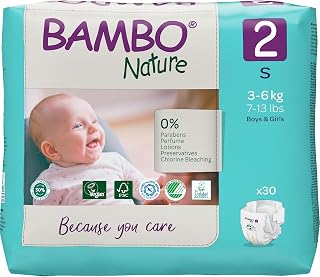


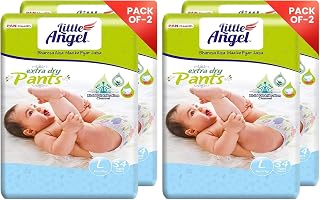


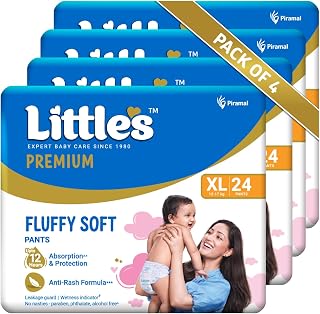
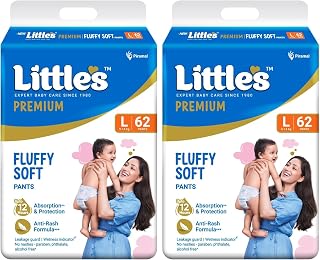


Finding a good-value baby diaper in India is not simply about choosing the lowest price per pack. The better comparison is the total cost of dependable protection, comfort, fit, absorbency, skin friendliness and how frequently the diaper needs to be changed. A diaper that costs less per piece may offer poor fit or require more frequent changes, while a slightly more expensive option can sometimes provide a better balance for a baby's particular needs.
For Indian families, buying decisions can also be influenced by climate, baby's age, weight, mobility, daytime versus overnight use, disposable diaper style, pack size and retailer-specific offers. Products from established brands such as Pampers, Huggies, MamyPoko and Himalaya BabyCare are among the names shoppers may encounter, but the right choice still depends on the individual baby's fit and requirements.
Use this guide to compare diaper specifications carefully rather than choosing solely from advertising claims, pack artwork or headline discounts.
Best value does not necessarily mean the cheapest diaper. Value is better understood as the combination of purchase cost and useful performance. For example, a diaper may offer good value when it provides an appropriate fit, reliable leakage protection, sufficient absorbency for the intended use, comfortable materials and a reasonable cost per diaper.
There is also a practical difference between value for daytime use and value for overnight use. A family may prefer an economical diaper for frequent daytime changes and choose a different model for longer periods, travel or nighttime protection.
When comparing baby diapers, one of the simplest calculations is the effective cost per diaper. Divide the total purchase price by the number of diapers in the pack. This makes it easier to compare differently sized packs and promotional offers.
For example, if one pack contains 72 diapers and costs ₹720, the effective price is ₹10 per diaper. If another contains 88 diapers for ₹792, the effective price is ₹9 per diaper. The second option has the lower nominal cost per piece, but that does not automatically make it the better choice if the baby's fit, comfort or usage requirements are different.
Also check whether pack counts vary between diaper sizes. Manufacturers may put different quantities in packs of different sizes, so comparing the printed pack price alone can produce a misleading impression of value.
Baby diaper sizes are commonly associated with age ranges, but a baby's weight and body shape are more useful indicators when selecting a size. Babies of the same age can have substantially different body proportions.
Always compare the baby's current weight with the manufacturer's stated size range. If the diaper repeatedly leaks despite correct placement, leaves pronounced marks around the legs or waist, or appears difficult to fasten comfortably, it may be time to reassess the size.
Size ranges differ by manufacturer, so do not assume that a “Medium” from one brand will fit exactly like a “Medium” from another.
A diaper that is too small can cause discomfort and leakage even when its absorbent material is otherwise adequate. Watch for repeated signs that the current size is becoming restrictive.
Moving up a size can sometimes improve leakage simply because the diaper provides better coverage. However, moving up too early can also create gaps around the legs or waist. The best fit is one that sits securely without excessive tightness.
A larger diaper is not automatically more absorbent or more economical. If there are visible gaps around the legs or waist, urine can escape before the absorbent core has a chance to contain it.
Most disposable baby diapers available to Indian consumers fall into several practical formats. Each has advantages depending on the baby's age and activity level.
Tape diapers use fastening tabs on the sides and are particularly convenient during the early months when babies spend much of their time lying down. The caregiver can adjust the fastening position to create a suitable fit around the waist.
Tape diapers can also be useful when frequent checks and changes are required. They are worth considering for newborns and younger babies, although individual preferences vary.
Diaper pants have an elasticated waistband and are pulled up similarly to underwear. They can be particularly convenient for crawling, standing and walking babies because they accommodate frequent movement.
When comparing diaper pants, pay close attention to stretch, waistband comfort and ease of removal. Some designs include tear-away sides to simplify changing.
Some diaper ranges are marketed specifically for nighttime use or longer-lasting protection. These products can be useful when a baby sleeps for longer periods, but nighttime suitability should still be assessed according to the baby's individual changing needs.
Do not assume that an overnight-labelled diaper eliminates the need for appropriate diaper changes. Parents and caregivers should follow sensible hygiene practices and respond to wetness, bowel movements and the baby's comfort.
Absorbency is one of the most important technical characteristics of a disposable diaper. Modern disposable diapers commonly use an absorbent core containing cellulose-based material and superabsorbent polymers, along with layers designed to move liquid away from the baby's skin.
The precise construction varies between products, and manufacturers may use different terminology for their absorbent technologies. Instead of relying only on phrases such as “maximum absorption” or “all-night protection,” compare the complete specification and consider how the diaper performs for the baby's actual routine.
The absorbent core is responsible for retaining liquid. A well-designed core should distribute moisture across the available absorbent area rather than allowing liquid to remain concentrated in one location.
Many diapers contain a layer intended to receive and distribute liquid through the absorbent structure. This can influence how quickly moisture moves away from the skin and how effectively the diaper uses its absorbent capacity.
Elasticated leg barriers help create a seal around the baby's thighs. Their effectiveness depends on both the diaper's construction and the fit on the individual baby.
A flexible waistband should provide a secure fit without creating excessive pressure. This becomes increasingly important as babies begin crawling, standing and walking.
Leakage is not always a sign of poor absorbency. A diaper can have substantial absorbent capacity and still leak if it does not fit correctly or is positioned improperly.
A diaper is in prolonged contact with a baby's skin, so material selection deserves attention. The inner topsheet, absorbent core, acquisition layer, backsheet, elastic components and fastening system can all contribute to the overall feel.
Parents should read the packaging for material and ingredient information, particularly when choosing a product for a baby who has previously reacted to a particular diaper or skincare product.
Some diapers may contain fragrance while others are marketed as fragrance-free. If you are trying to minimise unnecessary exposure to scented products, compare the manufacturer's ingredient or material information rather than assuming all diapers have the same formulation.
Some disposable diapers include lotions or skin-conditioning components. These are not universally necessary, and parents may prefer to review the stated ingredients when making a choice, particularly if their baby's skin is prone to irritation.
Many disposable diapers use a breathable outer layer intended to allow some moisture vapour and air exchange while retaining liquid. Breathability can be an important comfort consideration, especially in warm and humid Indian conditions.
Climate can influence diaper comfort. India includes regions with very different weather conditions, from hot and humid coastal areas to dry, hot interiors and cooler northern winters. During hot weather, parents may pay particular attention to breathability, fit and timely changes.
A diaper that is excessively tight can trap heat and increase discomfort. On the other hand, an oversized diaper can create gaps and leakage. The most practical approach is to select an appropriate size and change the diaper regularly according to the baby's needs.
Using the same diaper for every situation is not always the most economical strategy. A family can compare products according to when they are intended to be used.
Daytime diapers are generally used with more frequent changes. A good-value daytime option should balance comfort, fit, leakage protection and cost per piece.
Nighttime requirements can differ because the diaper may remain in place longer. Coverage, absorbent capacity, fit and leakage protection become particularly important. If a standard daytime diaper consistently becomes saturated or leaks overnight, comparing a different size or a product designed for extended use may be worthwhile.
Newborns generally require frequent diaper changes, making fit, softness and ease of changing especially important. The diaper should sit securely without interfering with the baby's movement or causing unnecessary pressure around the abdomen and legs.
For very young babies, consider designs that make changing straightforward. Some newborn-oriented diapers include features intended to accommodate the umbilical area, but parents should always check the current product packaging rather than assuming that every newborn diaper includes the same feature.
Once a baby begins crawling, rolling, standing or walking, diaper movement becomes a more significant consideration. A diaper that works well for a relatively stationary baby may shift more during active movement.
Look for a flexible fit around the waist and legs, secure fastening and sufficient coverage. Diaper pants can be convenient during this stage because they are designed around movement and can be pulled on quickly.
Indian shoppers can compare established diaper brands such as Pampers, Huggies, MamyPoko and Himalaya BabyCare alongside other options available through Indian retailers. Brand reputation can be useful as a starting point, but it should not replace checking the exact product variant, size, pack count and material information.
A single brand can have several diaper ranges positioned for different needs. One product may focus on newborn comfort, another on active babies, another on pants, and another on extended or overnight protection. Therefore, comparing only brand names can hide important differences between individual products.
When deciding between two shortlisted products, compare them in the same size and for the same intended use. A structured comparison prevents marketing language from dominating the decision.
The front of a diaper package is designed to communicate product benefits quickly, but the most useful information may be elsewhere on the packaging. Before buying, inspect the size range, diaper count, product type and manufacturer information.
Also distinguish between a product's general range name and the exact variant. Online marketplaces can list several visually similar products from the same manufacturer, and the specification may differ by size or variant.
The cheapest pack is not necessarily the cheapest practical solution. Leakage, poor fit or unsuitable absorbency can increase the number of changes and create frustration.
Babies can move between sizes quickly. Buying excessive quantities simply to obtain a lower unit price can be counterproductive if the baby outgrows the size.
Diaper dimensions, elastic placement and cut can vary between manufacturers and product ranges. Always reassess the fit when switching brands.
Two babies with similar weights can have different waist and thigh proportions. A diaper's stated weight range is useful, but actual fit remains important.
Pack counts and unit prices can change between sizes. Compare like-for-like sizes wherever possible.
Terms such as “advanced,” “premium,” “maximum” and “overnight” describe positioning or claimed features rather than guaranteeing that the product will work identically for every baby.
Once you have identified a diaper that fits well, there are several ways to improve purchasing efficiency without compromising the baby's needs.
A larger package often looks like better value because of its lower headline price per pack, but the actual comparison requires dividing the price by the number of diapers. In addition, the largest package is only financially sensible if the baby will use the entire quantity before moving to another size.
For fast-growing babies, a moderately sized pack can sometimes provide a better balance between unit economics and flexibility. This is particularly relevant when testing a new brand or moving to a new diaper size.
Online shopping makes it easy to compare many diaper products, but shoppers should verify the exact listing before purchasing. Product titles can look similar even when pack counts, sizes or variants differ.
Prices, promotions, pack configurations and availability can change frequently. Always use the current retailer listing for final purchase information rather than relying on an older price mentioned in an editorial buying guide.
Customer reviews can provide useful information about practical issues that are difficult to understand from a specification sheet, especially fit and sizing. However, reviews should be interpreted carefully.
Look for patterns rather than relying on one unusually positive or negative comment. Recurring observations about leakage, sizing, fastening, comfort or pack discrepancies can be more useful than isolated opinions.
Diapers should be changed regularly according to the baby's needs. Prompt changing after bowel movements is especially important, while wet diapers should be changed appropriately rather than waiting for maximum absorbency.
During changes, clean the diaper area gently and allow the skin to dry when practical. If a baby develops persistent redness, significant irritation, broken skin or other concerning symptoms, caregivers should seek advice from an appropriate healthcare professional.
Diaper-area irritation can have multiple causes, including prolonged exposure to moisture, friction, bowel movements, skincare products or other factors. Changing practices may help, but persistent or severe symptoms should not be assumed to be caused by the diaper alone.
The ideal quantity depends on the baby's age, changing frequency and rate of growth. Newborns can require frequent changes, while older babies may use different quantities depending on their routine.
Instead of purchasing the largest available package immediately, consider buying a manageable quantity when trying a new diaper. Once the fit has been established, larger packs can make more sense if the unit cost is favourable and the baby is likely to remain in the same size.
Prioritise a reasonable cost per diaper, comfortable fit, reliable basic leakage protection and easy changing. Premium features may be less important if diapers are being changed frequently.
Prioritise absorbent capacity, secure fit, coverage and leakage protection. Unit price remains important, but avoiding repeated overnight leakage can be a more meaningful measure of value.
Look for flexible construction, secure waist and leg fit and a format that is easy to change as the baby moves. Diaper pants can be worth comparing at this stage.
Review material and ingredient information carefully and consider whether fragrance-free or otherwise suitable options better match the baby's needs. If skin problems are persistent, consult a healthcare professional rather than repeatedly switching products without guidance.
Calculate cost per diaper across several comparable products and consider pack size, changing frequency and actual fit. A moderately priced diaper that fits well may provide better overall value than a cheaper product that results in frequent leakage or requires more frequent replacement.
Higher-priced diapers may include additional design features, different materials, enhanced elastic construction, specialised absorbent structures or other positioning benefits. Budget products may focus more heavily on basic protection and cost efficiency.
The important question is whether the additional features solve a real problem for your baby. Paying more makes the most sense when the extra performance or comfort is relevant to your family's needs.
Once parents find a diaper that fits well, staying with the same product can be convenient. However, periodic comparison can reveal better value, especially when a child moves to another size or developmental stage.
If switching brands, compare the new product gradually rather than buying an unusually large quantity before confirming the fit. The same size label can feel different because manufacturers use different cuts and elastic configurations.
There is no single diaper that is best for every baby. The strongest value choice is usually the product that provides the right fit, adequate absorbency, comfortable materials and reliable leakage protection at a reasonable cost per diaper. Compare the exact size and variant rather than choosing solely by brand or price.
No. A higher price may reflect additional features or premium positioning, but those features may not be necessary for every baby. Compare specifications, fit and practical requirements before paying more.
Divide the current pack price by the number of diapers in the pack. Compare products in the same size and consider whether they are intended for the same use.
For newborns, focus on the correct weight range, secure but gentle fit, easy changing and appropriate coverage. If available, a newborn-oriented design may offer features intended for this stage, but always check the current product specifications.
Neither format is universally better. Tape diapers offer adjustable fastening and can be convenient for younger babies, while pants can be particularly convenient for active babies who crawl, stand or walk.
Changing frequency varies by age, feeding, urine output and individual routine. Diapers should be changed appropriately when wet or soiled, with prompt changes after bowel movements.
Only if the baby is likely to remain in that size long enough to use the pack. A lower cost per diaper does not provide a real saving if many diapers are left unused after the baby moves to a larger size.
Leakage can result from incorrect positioning, gaps around the legs, an unsuitable size, movement or liquid being concentrated in a particular area. Check the fit and positioning before concluding that the diaper lacks absorbency.
Families can choose different products for different situations if that approach suits their needs. Compare the cost and performance of each option according to its intended use.
Not necessarily. If the existing product continues to fit comfortably and meets your needs, there may be no reason to switch. However, a size transition is a useful opportunity to compare alternatives because fit can change as babies grow.
The best-value baby diaper is the one that works reliably for your baby's current stage without unnecessarily increasing the household budget. Start with fit and size, then compare absorbency, leakage protection, comfort, materials, diaper format and cost per piece.
For Indian shoppers, it is also sensible to account for climate, availability and changing routines. Compare established brands such as Pampers, Huggies, MamyPoko and Himalaya BabyCare with other suitable options rather than assuming that one brand or one product range is automatically superior.
Before purchasing, verify the exact size, variant, pack count and current price. Prices and retailer offers can change, so the most reliable buying decision should be based on the product information and purchase terms available at the time you order.