

♥ Wishlist
Compare 41 verified Baby Care Toys & Baby Bedding Set products in India. Reviews, ratings, pros, cons and buying advice updated for October 2026.


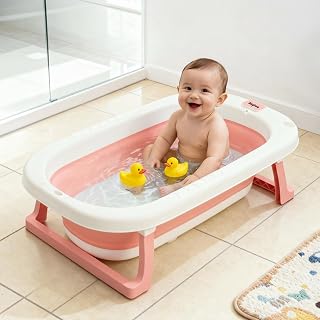


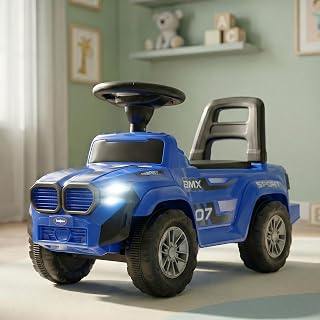


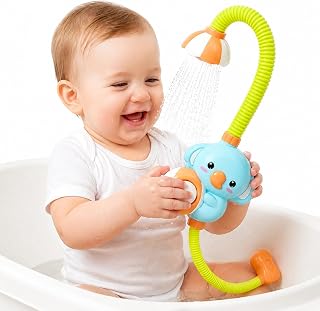


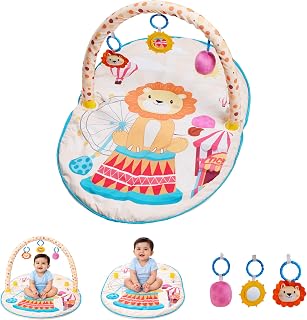


Choosing baby-care products on value alone can be misleading. A low purchase price does not necessarily mean better value if a bedding set uses difficult-to-clean materials, a toy is unsuitable for the baby's developmental stage, or a supposedly complete set contains accessories that are rarely useful. For Indian families, the better approach is to compare safety-related design, materials, construction, cleaning requirements, sizing, practicality, durability and the total number of genuinely useful pieces.
This buying guide is designed for shoppers comparing baby care toys and baby bedding sets in India in 2026. Product specifications, customer ratings, included accessories and current prices can change, so verify the latest listing information before purchasing. Customer reviews are useful for identifying recurring issues, but they should be assessed alongside the manufacturer's stated specifications rather than treated as proof that every product will perform identically for every family.
The best-value baby product is not necessarily the cheapest option. Value is better understood as the balance between useful features, appropriate materials, practical design, expected durability, ease of maintenance and the product's suitability for the child's age and intended use.
Baby bedding requires more careful evaluation than ordinary household bedding because infants have different sleep-safety needs. Before comparing colours, prints or the number of pieces in a set, determine how each item is intended to be used and whether it is appropriate for the baby's sleep environment.
The mattress is one of the most important components to evaluate. Look for a firm, flat sleeping surface designed to fit the intended cot, crib, bassinet or other approved infant sleep space correctly. The dimensions should be checked against the actual sleeping surface rather than assumed from a general label such as “newborn” or “baby”.
A mattress that leaves significant gaps around its edges may create an avoidable safety concern. Likewise, a very soft or heavily padded sleeping surface may not be appropriate for routine infant sleep. Decorative cushioning should never take priority over a suitable sleeping surface.
Indian baby cots, cradles, portable beds and bassinets can vary substantially in size. Measure the intended sleeping area before selecting a bedding set.
India has highly varied climates, from cooler northern winters to hot, humid coastal conditions. Fabric selection should therefore reflect local weather as well as the baby's clothing and room environment.
Cotton is commonly considered for baby bedding because it is familiar, washable and available in many constructions. Muslin and lightweight cotton fabrics can be useful where airflow and lighter layers are priorities. For colder conditions, parents may consider warmer layers, but excessive warmth and heavy loose bedding should not be introduced into an infant's sleep environment merely because the weather is cool.
Terms such as “premium cotton”, “ultra-soft”, “luxury”, “organic feel” or “hospital quality” should not be treated as technical specifications unless the listing provides meaningful information supporting the claim.
Thread count is often presented as an easy measure of bedding quality, but it should not be the only comparison point. For baby bedding, fabric composition, weave, construction, stitching, washability, fit and comfort are often more useful considerations.
“Baby bedding set” can describe very different combinations of products. One listing may contain only a fitted sheet and pillowcase, while another may include a mattress, blanket, bolster, mosquito net, changing accessories or decorative pieces.
Do not compare sets by piece count alone. First identify which components are genuinely required for your intended use.
Fitted sheets are generally easier to keep securely positioned than loose fabric when correctly sized for the mattress. Check the elastic construction, corner depth and dimensions. A sheet that is too loose may repeatedly come away from the mattress, while one that is too small may not fit correctly.
A washable mattress protector can be practical for managing spills, diaper leaks and other everyday messes. Compare the waterproof layer, fabric surface, fit and washing instructions. A protector should not compromise the intended fit or create an unsuitable sleeping surface.
Blankets and quilts may be useful for supervised situations or for age-appropriate use, but parents should distinguish general bedding from products intended for an infant's routine sleep environment. Loose blankets, pillows, quilts, stuffed products and other soft objects can present safety considerations for young infants.
Many traditional baby bedding sets include small pillows or bolsters because they are visually associated with a complete nursery set. However, inclusion in a commercial bundle does not automatically mean that an item is appropriate for unsupervised infant sleep. Consider the baby's age and intended use before treating every included accessory as a sleep essential.
Mosquito protection can be particularly relevant in parts of India. When comparing a baby bedding set containing a mosquito net, inspect the construction, attachment method, dimensions and ventilation. The net should not create loose material or interfere with safe access to the child.
Baby toys should be selected according to developmental stage rather than appearance alone. A toy designed for a newborn may have very different requirements from one intended for a crawling baby or toddler.
Always check the manufacturer's stated age range. A toy suitable for an older child may contain small detachable parts that are unsuitable for babies who explore objects by putting them in their mouths.
Rattles and grasping toys can encourage reaching, holding and sensory exploration. For these products, construction quality matters. Check that the body is securely assembled and that no component appears likely to detach during normal age-appropriate use.
Teething products should be evaluated for the material information, construction, recommended age and cleaning instructions. Avoid relying solely on phrases such as “non-toxic” or “baby-safe” without checking the detailed product information.
Soft toys can provide sensory and visual stimulation, but parents should distinguish between a toy used during supervised play and an object placed in an infant's sleeping space. Examine stitching, filling, attached decorations and any parts that could become loose.
Musical toys can provide auditory stimulation, but compare volume controls, battery access, construction and cleaning requirements. Battery compartments should be secure and inaccessible to the child. Follow the manufacturer's instructions for battery installation and storage.
Material selection should be based on the intended use, climate and maintenance routine rather than marketing terminology.
Cotton is widely used in Indian baby bedding. It is available in numerous fabric weights and weaves, so simply seeing “cotton” on a listing does not tell you everything about the product. Compare the stated composition, fabric construction and washing instructions.
Muslin is generally associated with lightweight, breathable fabric and is commonly used for baby wraps, cloths and lightweight bedding accessories. Its usefulness depends on the particular construction and intended application.
Synthetic fabrics can offer advantages such as quick drying, durability or resistance to creasing, depending on the construction. However, parents should consider how the fabric feels, how it performs in warm weather and how it should be washed.
Warmer materials can be useful in cold-weather clothing and supervised situations, but warmth should not be confused with suitability for an infant's sleep environment. Layering should be appropriate to the room conditions and the child's age.
Construction details are easy to overlook when shopping online. Zoom into product photographs where available and look for consistent stitching, clean seams and secure attachment points.
Baby products can require frequent cleaning. A product that looks attractive when new but has complicated maintenance requirements may prove less convenient than a simpler alternative.
Before purchasing, check whether the product is machine washable, hand washable or intended only for limited cleaning. Follow the manufacturer's washing temperature, detergent, drying and ironing instructions. Do not assume that a product is machine washable simply because it is made from cotton.
Customer reviews can reveal practical information that specifications do not. However, a star rating alone does not provide enough information to determine whether a baby product represents good value.
Read positive and negative reviews for recurring themes. Pay particular attention to comments about actual dimensions, fabric quality, colour differences, stitching, washing behaviour, missing components and whether the product matched its description.
When two products appear similar, use a structured comparison rather than choosing the set with the larger number of accessories.
A complete set can simplify shopping, particularly for parents preparing a nursery for the first time. However, buying individual pieces may provide better value when the set contains several unnecessary accessories.
For example, a family may benefit more from several well-fitting fitted sheets and a suitable mattress protector than from a decorative bundle containing numerous pieces that are rarely used. Calculate the value of the products you actually need instead of dividing the price by the total number of items.
Colour, cartoon characters and coordinated prints can make a set attractive, but visual design does not establish material quality, correct fit or suitability for infant sleep.
A 10-piece set is not automatically better value than a four-piece set. Identify what each piece does and whether it will be used.
This is one of the easiest mistakes to make when shopping online. Always compare the actual dimensions of the product with the mattress, cot or intended storage space.
Softness is desirable in many textile products, but an infant's sleep environment has different priorities from an adult's bedding preferences. Do not equate plushness or thick padding with safety or quality.
Baby bedding may need frequent cleaning. If a product is difficult to wash, slow to dry or unsuitable for the family's washing setup, its practical value may be lower than expected.
Many sets contain decorative or comfort-oriented accessories. Read the intended-use information carefully and follow appropriate infant sleep guidance rather than automatically placing every component inside the baby's sleep space.
Brand familiarity can be useful as a starting point, but it should not replace product-level evaluation. Depending on the category, Indian shoppers may encounter names such as R for Rabbit, Babyhug, Mee Mee, LuvLap, R for Rabbit, Chicco, Fisher-Price, MAM, Philips Avent, Mothercare and Little's.
The right comparison is still between the individual products. A well-specified item from a familiar brand should be assessed against its competing products for dimensions, materials, intended age, included components, maintenance and current customer feedback.
Online listings vary considerably in the amount of technical information they provide. Prefer listings where important details are clearly stated rather than relying on promotional descriptions.
Instead of purchasing everything at once, consider the frequency with which each item will be washed and how quickly it can be dried. Families dealing with frequent laundry may value spare fitted sheets and washable protective layers more than decorative accessories.
Families in coastal and tropical parts of India may have different priorities from families experiencing cold winters in northern regions. During hot weather, parents often need to pay particular attention to room temperature, clothing layers, fabric weight and moisture management.
Lightweight fabrics can be easier to manage in warm conditions, while multiple thick layers may increase the risk of overheating. Bedding should be selected with the baby's environment in mind rather than simply choosing the thickest or softest option available.
Winter conditions can vary significantly across northern India. A warm room does not necessarily require heavy bedding, and an unheated room may require a different clothing and layering approach. Parents should consider the actual room conditions rather than relying on the calendar alone.
For infants, avoid solving cold-weather concerns by adding loose, bulky materials to the sleeping area. Appropriate clothing and room management should be considered alongside established safe-sleep recommendations.
Space efficiency is another overlooked part of value. Families living in apartments may prefer foldable, stackable or compact products that can be stored easily without compromising their intended function.
For families who travel between cities or visit relatives, portability can be an important value factor. Lightweight washable bedding accessories can be easier to transport than bulky sets. Toys with fewer detachable parts may also be simpler to pack and clean.
When travelling, do not substitute decorative travel bedding for an appropriate infant sleep surface. A product marketed as portable should still be evaluated according to its intended purpose and the manufacturer's instructions.
A practical budget should separate essential purchases from optional accessories. Start with products that solve everyday needs, then consider additional items only if they provide a clear benefit.
Higher-priced products should be judged by what additional value they provide rather than by price alone. A more expensive bedding set may offer better construction, clearer specifications or more practical materials, but the difference should be identifiable in the product information.
Likewise, a budget product can be a sensible choice when it meets the required specifications, fits correctly and provides adequate construction and maintenance characteristics. The goal is not to buy the most expensive product but to avoid paying for features that do not materially improve usefulness.
When comparing products through online marketplaces, start with the full product description and specifications instead of relying exclusively on the headline title. Product titles can contain many descriptive terms but may omit important information about dimensions, materials or intended use.
Check the seller information, current price, available variants, delivery details and return conditions displayed on the retailer's current listing. These details can change over time. Also compare the exact variant selected because colour, size or bundle variations can have different specifications.
A weak listing often provides extensive promotional language but limited technical information. Be cautious when an important baby product has unclear dimensions, vague material descriptions, missing age recommendations or no meaningful care instructions.
The purpose of a value-pick list is to narrow down the options worth investigating, not to replace product-level due diligence. Before ordering, compare the latest specifications, current customer feedback, available variants and today's price on the retailer's listing.
Because baby products can change between manufacturing batches, listings and model revisions, always give priority to the most current product information. If a product's present specifications differ from an earlier description, use the current manufacturer's or retailer's information when making your decision.
There is no single best set for every family. The right choice depends on mattress dimensions, baby's age, climate, material preferences, washing requirements, budget and which accessories are genuinely needed. Compare the exact specifications rather than choosing solely by rating or piece count.
Not necessarily. A higher price can reflect additional materials, construction, branding or accessories, but those differences should be evaluated individually. A less expensive set can offer better value when it provides the required components, correct fit, appropriate materials and practical maintenance.
There is no universally best fabric for every Indian climate. Cotton and lightweight cotton-based fabrics are commonly considered because of their everyday practicality, but the actual weave, thickness, construction and care instructions matter. Select fabric according to the baby's environment and intended use.
The practical number depends on how frequently bedding is washed, how quickly it dries and how often accidents occur. Families with frequent laundry may prefer spare fitted sheets and other washable essentials rather than purchasing one large decorative set.
A pillow included in a baby bedding bundle should not automatically be treated as necessary for an infant. For young babies, parents should follow established safe-sleep guidance and consider the baby's age and developmental stage before introducing pillows or other soft items into the sleeping environment.
Parents should follow current safe-sleep recommendations for newborns and infants rather than assuming a blanket included with a bedding set is appropriate for routine sleep. Loose bedding can present safety concerns for young infants. Age-appropriate clothing and sleep practices should be considered instead.
Muslin can be a practical lightweight fabric, particularly in warm conditions, but quality depends on the specific construction. Check the material composition, dimensions, stitching, washing instructions and intended use before purchasing.
Measure the mattress or intended sleeping surface and compare those measurements with the exact fitted-sheet or mattress dimensions listed by the manufacturer. Do not rely solely on labels such as “standard baby size”.
Check the recommended age, construction, detachable components, battery access, cleaning requirements and manufacturer warnings. Choose toys that match the child's current developmental stage and inspect them regularly for damage or loose parts.
A recognised brand can make product information easier to verify, but brand recognition alone does not establish that one specific product is the right choice. Compare the actual product specifications, intended age, construction and safety information.
Choose a complete set when its components match your actual needs. Buy individual pieces when a bundle contains unnecessary accessories or when you need additional quantities of frequently used items such as fitted sheets.
The appropriate cleaning frequency depends on use, spills, diaper leaks and the manufacturer's care instructions. Follow the product's washing guidance and clean bedding promptly when it becomes soiled.
Adult bedding is not automatically suitable for an infant. Infant sleep products should be selected for the child's age and intended sleep environment, with particular attention to mattress fit and avoiding inappropriate loose or soft materials.
Before choosing from a list of baby care toys or bedding sets, run through the following checklist:
The strongest value choice is the product that solves the intended problem safely and practically without charging for unnecessary extras. For baby bedding, correct fit, an appropriate sleep surface, sensible materials, easy maintenance and age-appropriate use should come before decorative design or bundle size. For toys, developmental suitability, construction quality, secure components and clear age guidance deserve priority.
Use the Top 10 list as a starting point for comparison, then verify the latest specifications, customer feedback, seller information and current price for the exact variant you intend to buy. Product availability, pricing and marketplace listings can change during 2026, so the most reliable purchasing decision is based on information displayed at the time of purchase rather than an older price or specification.