

♥ Wishlist
Compare 44 verified Cabinets & Cupboards for Home and Office Storage products in India. Reviews, ratings, pros, cons and buying advice updated for October 2026.


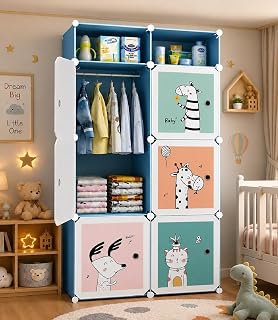


Finding a genuinely good-value cabinet or cupboard is about more than choosing the lowest price. A useful storage unit needs to suit the available floor area, withstand the intended load, provide practical access to stored items, and remain appropriate for India's varied climate and household conditions. The best choice can be very different for a bedroom, kitchen, bathroom, home office, living room, utility area, or rented apartment.
For 2026, shoppers should compare construction materials, dimensions, internal layout, door mechanism, ventilation, shelf capacity, assembly requirements, finish quality, maintenance needs and after-sales terms before deciding. A cabinet that looks inexpensive at first can become poor value if it has an unsuitable configuration, difficult assembly, inadequate storage capacity or materials that are inappropriate for the room.
This buying guide is designed to help Indian shoppers compare value-focused cabinets and cupboards on practical criteria rather than relying on appearance or headline pricing alone.
Good value does not necessarily mean the cheapest cabinet. It means getting an appropriate combination of usable storage, construction quality, durability, dimensions, appearance and convenience for the amount spent.
The terms cabinet and cupboard are often used interchangeably in India, but shoppers may encounter different designs under each name. A cabinet commonly refers to a storage unit with shelves, drawers or compartments and can be relatively compact. A cupboard often describes a taller or larger enclosed storage unit, particularly for clothing, household goods, documents or general storage.
The distinction is less important than the actual specifications. Before buying, look beyond the product name and check external dimensions, usable internal dimensions, number of shelves, shelf spacing, door configuration, weight capacity where stated, material and installation requirements.
Bedroom storage needs to accommodate clothing, accessories, bedding and personal items without making the room difficult to navigate. Tall cupboards can make efficient use of vertical space, while cabinets with drawers can be useful for smaller items.
For clothing storage, pay particular attention to hanging space, shelf depth, door clearance and internal compartment sizes. A cabinet with numerous small compartments may look organised but can be less useful for bulky garments than a simpler design with wider shelves.
Kitchen cabinets need more careful material selection because they may be exposed to moisture, steam, oil, heat and frequent cleaning. Measure the location carefully and consider whether the cabinet will be positioned close to a sink, cooking area or appliance.
For kitchen use, easy-to-clean surfaces and practical shelf access are particularly important. Avoid selecting a cabinet solely because it offers a large number of compartments if those compartments make everyday access inconvenient.
Bathroom storage requires particular attention to moisture resistance and ventilation. The construction material, surface treatment and placement can matter more here than they would in a dry bedroom or living room.
For bathroom use, consider whether the unit is designed for damp environments and whether water can accumulate around its base. Wall-mounted storage can also be useful where floor space is limited, provided the installation surface and fixing method are appropriate.
Living-room cabinets frequently serve both storage and decorative purposes. They may be used for books, crockery, documents, electronics, decorative objects or miscellaneous household items.
For a visible living-room cabinet, finish quality, door alignment, handle design and proportions can be as important as raw storage volume. Consider open shelves if you want frequently displayed items to remain accessible, or enclosed compartments if you prefer a cleaner appearance.
Office storage benefits from an internal layout designed around documents, stationery, books, electronics and work accessories. Shelves that are too shallow may waste space, while excessively deep shelves can make smaller items difficult to retrieve.
For document storage, verify the internal dimensions rather than assuming that a cabinet marketed for office use will accommodate your particular files or folders.
Utility cabinets can be used for cleaning supplies, tools, spare household products, laundry accessories and other irregularly shaped items. Adjustable shelves can be particularly valuable because household storage requirements tend to change over time.
If the cabinet will store heavy objects, compare the stated shelf or overall load information where available. Do not assume that a large cabinet automatically has a high load capacity.
Engineered wood products are common in furniture because they can provide a balance between appearance, manufacturing consistency and cost. However, engineered wood is a broad category, so shoppers should check the specific board type and surface finish rather than treating every engineered-wood cabinet as equivalent.
For areas exposed to moisture, verify the manufacturer's stated suitability. Edge treatment is also worth examining because exposed or poorly protected edges can be more vulnerable to moisture and everyday wear.
Medium-density fibreboard, commonly called MDF, is manufactured from wood fibres combined into a board. It can provide a smooth surface suitable for painted or laminated furniture finishes.
MDF should not automatically be treated as waterproof. For rooms where moisture is expected, check the exact product construction and manufacturer's specifications before purchase.
Particle board is made from wood particles bonded into panels and is widely used in cost-conscious furniture. It can be a sensible option when budget is a major consideration, but the quality of the board, edge treatment, fasteners and overall construction should be evaluated together.
Plywood consists of layered wood veneers and is used in many furniture applications. It can offer useful structural properties, but the term alone does not tell you everything about a finished cabinet. Thickness, grade, surface treatment, joinery and edge finishing all influence the finished product.
Solid wood can provide a distinctive appearance and may be desirable for certain furniture styles. It can also be heavier and more expensive than board-based alternatives. Natural wood can respond to changes in temperature and humidity, so construction and finishing are important.
Metal cabinets are often considered for offices, utility areas, workshops and storage applications where a rigid enclosure and easy-to-clean surface are useful. Check the gauge or thickness where provided, coating, ventilation, shelf configuration, lock design and corrosion considerations.
Plastic cabinets can be useful in lightweight household storage applications. They are often easy to clean and can be convenient where portability or resistance to everyday moisture is important. However, shoppers should compare rigidity, hinge construction, shelf support and door alignment rather than judging quality solely from the material name.
Two cupboards can have almost identical dimensions and still differ substantially in practical quality. Construction should therefore be assessed at several points.
Measurement mistakes are among the easiest ways to turn an apparently good furniture deal into a poor purchase. Measure the actual installation area rather than estimating it visually.
Measure the available wall or floor width and account for skirting boards, adjacent furniture and required clearance. If doors open outward, make sure there is enough space for their swing.
Check the ceiling height, overhead fixtures and the route through which the cabinet will be moved. A tall cupboard may fit its final position but still be difficult to manoeuvre through a doorway or staircase.
Depth has a major impact on usability. A deeper cabinet can hold bulky objects but may project too far into a room. For corridors, compact bedrooms and smaller apartments, shallow storage can sometimes be more practical.
External measurements can be misleading. Shelves, doors, partitions and drawer mechanisms reduce usable space. Check internal dimensions whenever you need to store specific objects such as files, appliances, boxes, books or clothing.
Hinged doors are straightforward and allow broad access to the cabinet interior. Their main limitation is the clearance required in front of the cabinet.
Sliding doors can be useful where front clearance is restricted because the doors move horizontally instead of swinging outward. The trade-off is that part of the cabinet opening may remain covered by the sliding panels.
Open storage provides immediate visibility and easy access. It is particularly useful for frequently used objects but exposes stored items to dust and visual clutter.
A combination of open shelves and enclosed compartments can provide flexibility. Frequently used or decorative items can remain visible while less attractive or less frequently used objects stay behind doors.
Hardware deserves attention because these components experience repeated mechanical use. A cabinet with an attractive exterior can still be inconvenient if the handles are uncomfortable or the doors are difficult to align.
A cabinet's usefulness depends on how effectively its internal volume can be organised. A tall cabinet with fixed shelves may provide less practical storage for your needs than a slightly smaller model with adjustable shelving.
Before comparing products, make a quick inventory of what you need to store. Group items by size and frequency of use. This makes it easier to determine whether you need hanging space, wide shelves, narrow compartments, drawers or a combination.
Adjustable shelves are valuable when storage needs vary. You can create taller compartments for large objects and smaller sections for books or boxes. Fixed shelves may provide a simpler and potentially more rigid arrangement but offer less flexibility.
If adjustability matters, check the actual number of shelf positions and whether the shelves can be removed completely. Do not assume that every shelf shown in product photographs is adjustable.
Space-efficient storage is particularly important in compact bedrooms, rented apartments and urban homes. Vertical cabinets can use available height without consuming additional floor width, while narrower units can preserve circulation space.
Tall and heavily loaded furniture should be positioned and installed according to the manufacturer's instructions. Where an anti-tip or wall-anchoring system is supplied or recommended, use it appropriately and verify that the fixing method is compatible with the wall construction.
Do not place excessively heavy objects on shelves unless the manufacturer provides a suitable load rating. Distribute weight sensibly, particularly in tall cabinets. Frequently used heavy objects are generally better placed where they can be retrieved safely without excessive lifting.
India includes a wide range of climatic conditions, from humid coastal regions to dry areas and locations with substantial seasonal variation. The appropriate cabinet construction can therefore depend on where and how the unit will be used.
In humid rooms, moisture exposure and ventilation deserve particular attention. In areas prone to dust, smooth and easily cleaned surfaces may be preferable. In homes with seasonal monsoon moisture, avoid assuming that a decorative finish alone makes a cabinet suitable for prolonged water exposure.
Renters often benefit from freestanding furniture because it can be moved between properties. Before choosing a large cupboard, however, consider its weight, assembly method and whether it can realistically pass through the building's doors, staircases and lifts.
Flat-pack furniture can be convenient for transport and assembly, but carefully check the instructions and hardware requirements. If you may move frequently, a cabinet that can be dismantled without damaging major components may be more practical than a very heavy assembled unit.
Brand reputation can be a useful starting point, but it should not replace product-level comparison. Established names shoppers may encounter when researching cabinets, cupboards and storage furniture include Nilkamal, Godrej Interio, IKEA, Supreme, Cello and Durian. Product ranges, specifications, availability and suitability can differ substantially between models, so compare the individual product rather than selecting solely by brand.
When considering any brand, check the current product specifications, dimensions, materials, assembly instructions, warranty terms and customer feedback for the exact model under consideration.
Customer reviews can provide useful information that a specification sheet does not always reveal, but they should be interpreted carefully. A large number of reviews does not automatically mean that a particular cabinet is the best choice for your room.
When comparing a shortlist of ten cabinets or cupboards, use a consistent framework. This prevents a visually attractive product or unusually low price from dominating the decision before practical factors have been checked.
The cheapest cabinet may not provide the best long-term value. Compare usable storage, materials, hardware, construction and expected usage before deciding.
A cupboard can fit against a wall and still be impractical if its doors collide with a bed, desk, sofa or another cabinet.
Large furniture can encounter access problems in apartment buildings, staircases, narrow corridors and lifts. Check the packaged and assembled dimensions when those details are provided.
Product photographs can make shelves appear flexible even when the actual configuration is fixed. Verify this in the specifications.
External dimensions tell only part of the story. Measure the objects you intend to store and compare them with the usable compartments.
Uneven floors can affect furniture alignment, while unsuitable walls can create problems when anchoring a tall cabinet. Installation requirements should be considered before purchase.
A cabinet is a substantial visual element. Colour, finish, proportions and handle design should be considered alongside storage functionality.
Instead of comparing only the sticker price, consider the amount of usable storage and functionality provided. A slightly more expensive unit may offer adjustable shelves, better internal organisation or a more suitable construction for the intended environment.
It is also useful to consider the total ownership experience. Assembly time, maintenance, available space, ease of cleaning, mobility and the likelihood of replacing the furniture can all influence whether a purchase represents good value.
Start by estimating your current storage requirement and allowing some room for future use. A cabinet filled to capacity immediately after purchase may become inconvenient if household storage needs increase.
At the same time, avoid buying a substantially larger cupboard simply because it provides more volume. Oversized furniture can consume valuable floor space and may encourage unnecessary accumulation. The right balance is sufficient capacity without sacrificing room functionality.
Many cabinets sold online require some degree of assembly. Read the assembly information carefully before committing to a product.
Regular maintenance can help preserve the appearance and functionality of storage furniture. Cleaning methods should always follow the manufacturer's care instructions because different finishes and materials can react differently to moisture and cleaning products.
For a limited budget, focus first on dimensions, usable capacity and structural suitability. A simple cabinet with fewer decorative features may provide better practical value than a visually elaborate unit with limited storage.
In the mid-range category, compare construction quality, hardware, internal organisation and finish more closely. This is often where additional features such as adjustable shelving, improved door mechanisms or more specialised configurations can become relevant.
With a larger budget, shoppers can prioritise more specific requirements such as premium finishes, particular materials, sophisticated internal organisation, distinctive designs or specialised dimensions. Higher price should still be justified by features that matter to your intended use.
A strong product listing should provide enough information to make an informed comparison. Before purchasing, look for the following details:
Start with the specifications rather than the marketing photographs. Product images are useful for understanding appearance, but they can make furniture look larger or smaller than it is depending on the room and camera angle.
Next, compare dimensions and material information. Then inspect the internal configuration, assembly requirements and warranty details. Finally, read customer feedback for recurring practical observations. This order helps prevent attractive styling or promotional language from overshadowing important functional information.
For a value-focused comparison, the most useful approach is to consider several criteria together rather than selecting a winner based on a single attribute.
A lower-cost cabinet can be the smartest purchase when the storage requirement is straightforward and the unit does not need premium materials or specialised features. For example, a simple utility cabinet may not justify paying substantially more for decorative detailing that provides no practical benefit.
The important point is to ensure that the lower price does not come from compromising a requirement that matters to you, such as stability, dimensions, moisture suitability, storage capacity or hardware quality.
Paying more can make sense when the cabinet will be used heavily, occupies a prominent part of the home, needs a specific internal configuration, must withstand demanding conditions, or needs to provide long-term flexibility.
However, higher cost should be evaluated against actual benefits. Decorative features that do not improve your intended use should not automatically be treated as evidence of better value.
Neutral finishes can work with a wide variety of interiors, while wood-look surfaces can add visual warmth. White and lighter finishes can complement smaller rooms, although the practical suitability of a finish should take priority over assumptions about how a colour affects perceived space.
For frequently touched furniture, consider how easily fingerprints, dust and marks may be visible on the chosen finish. In households with children or heavy daily use, practical cleaning requirements can be more important than purely decorative considerations.
Neither approach is universally better. Closed cupboards protect contents from dust and reduce visual clutter. Open shelving provides faster access and makes stored items easier to see.
If you store attractive books, decorative objects or frequently used items, open shelving can be convenient. If you need to hide miscellaneous household goods or reduce visible clutter, enclosed storage may be preferable.
One large cupboard can maximise continuous storage and create a consistent appearance. Several smaller cabinets provide greater flexibility and may be easier to move, reposition or distribute between rooms.
Consider future room changes as well as current requirements. If you expect to move frequently, modular or smaller storage can offer practical advantages. If the cabinet will remain in one location for many years, a larger purpose-built arrangement may make better use of the available space.
There is no single cabinet that is best for every household. The right choice depends on room, dimensions, storage requirements, material preference, budget, installation conditions and intended use. Compare the specifications of the shortlisted products before making a decision.
The best material depends on where the cupboard will be used. Engineered wood, MDF, particle board, plywood, solid wood, metal and plastic each have different characteristics. For a particular room, prioritise suitability for moisture, expected load, cleaning requirements, durability and budget rather than choosing a material solely because it is considered premium.
Plastic cabinets can be practical for lightweight household storage, particularly where easy cleaning and portability are useful. Compare the rigidity, hinges, shelves, door construction and intended load before buying.
Not universally. Metal can be attractive for certain office, utility and storage applications, while wood-based furniture can offer different aesthetic and configuration advantages. Compare the actual construction and intended use rather than treating one material as automatically superior.
Measure the available floor width, height and depth first. Consider a tall, space-efficient design, check door clearance and prioritise an internal arrangement that accommodates your clothing without unnecessarily consuming floor area.
Depth directly affects both storage capacity and room circulation. A deeper cabinet can accommodate larger objects but may project farther into the room. Choose depth according to the items you need to store and the available floor space.
Adjustable shelves are useful when you store objects of different heights or expect your requirements to change. Fixed shelves can still work well when the storage purpose is predictable and the spacing is appropriate.
Compare the listed external dimensions with your measured installation area. Also consider door and drawer clearance, skirting boards, electrical points, adjacent furniture, ceiling height and the route needed to bring the cabinet into the room.
Look for recurring comments about assembly, material quality, door alignment, hinges, handles, shelf stability, dimensions, finish, packaging and everyday usability. Give more weight to repeated observations than isolated comments.
No. A more expensive cupboard may offer better materials, construction or features, but those benefits are valuable only when they match your requirements. A simpler cabinet can provide better value when it performs the required job effectively at a lower cost.
Check dimensions, internal storage, materials, shelf configuration, door type, assembly requirements, weight, installation requirements, current warranty terms and customer feedback. Also verify the current price and compare similar models before purchasing.
The best-value cabinet or cupboard is the one that solves your storage problem without creating new problems with space, access, construction or maintenance. Start with measurements and intended use, then compare materials, internal layout, hardware, assembly requirements and customer feedback. Finally, evaluate the current price against genuinely comparable alternatives.
For Indian households, room conditions also matter. A cabinet suitable for a dry bedroom may not be the right choice for a humid bathroom or busy kitchen. Similarly, the ideal cupboard for a spacious independent home may be impractical in a compact apartment.
Use the specifications and comparison criteria in this guide to narrow the options, then verify the latest product information before purchasing. Product prices, availability, configurations and retailer terms can change during 2026, so the current listing should always take precedence over older information.