

♥ Wishlist
Compare 32 verified Air Compressor for Home, Workshop and Professional Use products in India. Reviews, ratings, pros, cons and buying advice updated for October 2026.


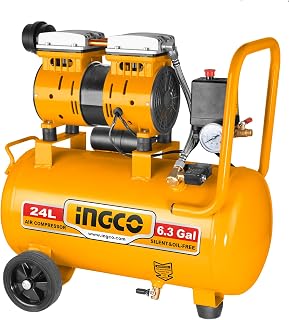


Choosing an air compressor is not simply a matter of selecting the model with the highest horsepower or the largest tank. A useful buying decision depends on the relationship between motor power, air delivery, working pressure, tank capacity, duty cycle, compressor technology, noise, portability, electrical requirements and the type of pneumatic equipment you intend to operate. The right specification for inflating tyres can be very different from what is needed for spray painting, pneumatic tools or workshop applications.
For buyers in India, the local operating environment also deserves attention. Household electrical supply, available socket capacity, ambient temperature, dust exposure, monsoon humidity, storage conditions and the availability of compatible replacement parts can all affect long-term usability. A compressor that looks inexpensive initially may not represent good value if it struggles with the intended workload or requires frequent interruptions to rebuild pressure.
The most sensible approach is to compare the complete specification rather than relying on a single headline figure. When evaluating value-oriented air compressors from brands such as Bosch, Stanley, Black+Decker, Dewalt, Makita, Ingco and other established manufacturers, consider what the machine can actually deliver for your particular application.
Horsepower is commonly used to describe compressor motor size, but it should not be treated as a direct measure of useful pneumatic performance. Two compressors with similar motor ratings can have noticeably different air delivery, recovery times and operating characteristics.
Look for the manufacturer's stated air delivery or flow figures alongside motor power. Depending on the specification sheet, airflow may be expressed as CFM or litres per minute. Higher airflow generally matters more than motor horsepower when you are trying to determine whether a compressor can continuously supply a pneumatic tool.
PSI indicates pressure, not the volume of air the compressor can supply. A compressor can have a relatively high maximum PSI while still being unsuitable for an air tool that consumes a large amount of air continuously.
For buying comparisons, distinguish between maximum tank pressure and the pressure required by your equipment. A nailer, stapler or inflation accessory may have very different requirements from an impact wrench, grinder or spray gun.
Also check whether the compressor includes an adjustable pressure regulator. A regulator allows the outlet pressure to be controlled according to the connected tool instead of simply delivering the tank pressure directly.
Air delivery is one of the most useful specifications for comparing compressors intended for pneumatic tools. The figure may be listed as displacement, intake airflow, free air delivery or another measurement depending on the manufacturer. These numbers are not necessarily directly interchangeable.
When comparing two models, check that their airflow figures were measured using comparable standards. If a pneumatic tool specifies an air-consumption requirement, allow a sensible margin rather than selecting a compressor whose advertised airflow barely meets the tool's stated consumption.
This becomes particularly important for equipment such as die grinders, sanders and spray guns, which can consume air continuously. A compressor that works perfectly for short bursts with an impact wrench may be much less suitable for a tool that demands uninterrupted airflow.
The receiver tank stores compressed air and helps reduce how frequently the motor must start during intermittent use. Tank size should therefore be considered in relation to your application rather than treated as a simple bigger-is-better specification.
A larger receiver does not turn a low-airflow compressor into a high-capacity continuous-duty machine. Once the stored air is depleted, the pump still has to replenish it. For sustained pneumatic work, compressor output remains critical.
Oil-free compressors are attractive for users who want straightforward maintenance and a cleaner setup. They are commonly considered for domestic tasks, inflation, occasional DIY use and applications where compressor portability is more important than extended heavy-duty operation.
The absence of pump oil does not mean that the machine requires no maintenance. Air filters, cooling passages, hoses, fittings, electrical connections and moisture management still require attention.
Oil-lubricated pumps can be a strong choice for users who expect more frequent workshop operation and want a compressor designed around serviceable lubrication. Depending on the design, these machines can offer characteristics that make them appropriate for heavier use.
They require more maintenance discipline, including checking the specified lubricant and following the manufacturer's service intervals. Oil level should never be guessed; always use the lubricant type and maintenance procedure specified for the particular compressor.
Direct-drive compressors connect the motor and pump through a direct transmission arrangement. They are often compact and practical where portability and simple construction are priorities.
Belt-drive compressors use a belt and pulley system between the motor and pump. This configuration is common in larger workshop-style machines and can provide flexibility in pump and motor design. It can also require additional inspection because the belt becomes another component that needs appropriate maintenance.
For a home user who needs occasional inflation and light workshop work, compact direct-drive equipment can make more sense than purchasing a large belt-drive machine simply because its specifications appear more substantial.
If the primary purpose is inflating car, motorcycle, bicycle or other vehicle tyres, a compact compressor can often be sufficient. In this situation, portability, hose reach, pressure control, gauge readability and accessory compatibility may matter more than having a very large receiver.
For vehicle owners, verify that the inflation accessories are compatible with the valve types you expect to encounter. A pressure gauge that is easy to read is particularly useful because accurate tyre pressure is more important than simply reaching the maximum pressure shown on the compressor.
A versatile compressor for household DIY can support tasks such as inflation, dust removal, certain fastening applications and other intermittent pneumatic work. A medium-capacity model can be a practical compromise if storage space permits.
Consider whether you need to carry the compressor between rooms, a garage and a vehicle. Wheels, a suitable handle and manageable overall weight can make a substantial difference to everyday usability.
Pneumatic nailers and staplers generally operate differently from continuous air-hungry tools because they consume compressed air in short bursts. This makes receiver capacity and recovery characteristics relevant, particularly when fastening repeatedly.
Before purchasing, compare the compressor's usable airflow and pressure range with the exact requirements of your nailer or stapler. Do not assume that every compressor capable of reaching the required PSI will provide adequate performance.
Spray painting requires more careful compressor selection because a spray gun may consume air continuously. Airflow stability, moisture control, filtration and the compressor's ability to maintain the required pressure are all important.
For finishing work, moisture in compressed air can affect the result. Depending on the application, users may need appropriate filtration, a moisture separator or additional air-treatment equipment. A small general-purpose compressor should not automatically be considered suitable for professional-quality continuous spraying.
Pneumatic impact wrenches can deliver strong bursts of torque, but their air consumption varies significantly between models. A compressor should be selected according to the tool's actual air requirement and the expected frequency of use.
For occasional automotive work, a compressor with sufficient receiver capacity can provide useful bursts even when the tool is not intended for continuous operation. For frequent workshop use, prioritise adequate delivered airflow and recovery performance.
Compressed air is useful for cleaning certain equipment and hard-to-reach areas, but the compressor should be operated according to the manufacturer's safety instructions. Never assume that compressed air is appropriate for every electronic or mechanical component.
For occasional cleaning, a compact compressor may be convenient. Frequent cleaning over larger areas can rapidly consume stored air, making airflow capacity more important.
Electrical compatibility is an important part of compressor selection in India. Check the manufacturer's stated voltage, frequency, rated current and plug requirements before purchase. A compressor with a powerful motor can impose substantially more demand on an electrical circuit than small household appliances.
Do not select an extension cable solely because its plug physically fits the compressor. Cable length, conductor size, connection quality and the compressor's electrical load all matter. Undersized wiring can create excessive voltage drop and heating.
Noise can be overlooked during an online purchase because specifications such as horsepower and tank capacity appear more prominent. In a residential setting, however, compressor noise can strongly affect usability.
Look for a manufacturer's stated sound-pressure or sound-power figure where available, and understand the measurement conditions before comparing numbers from different brands. A compressor that is acceptable in a workshop may be unpleasant in a small apartment or enclosed room.
Noise reduction should not involve enclosing the compressor in a way that restricts cooling airflow. Compressors generate heat, and adequate ventilation is essential.
For buyers who move equipment frequently, portability can be as important as raw performance. Consider the combined weight of the compressor and accessories, wheel design, handle position and the location of the power cable and air hose connection.
A compact compressor is easier to store, but its smaller receiver may mean more frequent motor cycling. A larger machine can provide better reserve capacity but may become impractical if it must regularly be carried upstairs or transported in a small vehicle.
Duty cycle describes how long a compressor can operate within a defined period before it needs a cooling or rest interval. This specification is particularly important for users who intend to run pneumatic equipment repeatedly.
A compressor designed for intermittent use should not be treated as a continuous-duty industrial machine. Repeatedly exceeding the recommended operating cycle can increase heat buildup and accelerate wear.
If your work involves long periods of spraying, grinding, sanding or other continuous air consumption, pay particular attention to the manufacturer's operating guidance rather than relying only on tank size.
Compressed air naturally creates condensate because moisture from atmospheric air can accumulate as air is compressed and cooled. The amount depends on environmental conditions, operating patterns and compressor design.
Water accumulation inside a steel receiver can contribute to internal corrosion over time. Follow the manufacturer's instructions for draining the receiver and maintaining the drain system.
Air leaks can reduce compressor efficiency and cause unnecessary cycling. Common leak points include hose connections, quick couplers, regulators, valves and threaded fittings.
If a compressor loses pressure unusually quickly while disconnected from active equipment, investigate the system rather than assuming the motor is underpowered. A leak can make a correctly sized compressor appear inadequate.
Never attempt to repair a pressurised connection. Depressurise the system using the manufacturer's procedure before inspecting or servicing fittings.
Maximum PSI is an easy number to compare, but it does not tell you how much air the compressor can deliver during sustained operation. A high-pressure specification does not automatically mean high pneumatic-tool performance.
Motor power is useful context, but airflow and tool requirements provide a much better basis for matching a compressor to a particular application.
A large receiver stores more compressed air, but the pump still determines how quickly that air can be replenished. Tank capacity and compressor output should be evaluated together.
Using a compressor beyond its intended duty cycle can create unnecessary heat and wear. Check the manufacturer's operating guidance when your application involves repeated or continuous use.
A compressor can be technically suitable while being inconvenient in the environment where you intend to use it. Consider the location and frequency of operation before buying.
Air hoses, couplers, regulators and tool fittings need to match the compressor and pneumatic equipment. Thread standards, connector types, pressure ratings and hose diameter can all matter.
When two models appear similar, compare them using the same checklist rather than choosing the one with the more impressive headline specification.
Good value does not necessarily mean choosing the cheapest compressor. The better approach is to identify the features that directly affect your application and avoid paying extra for capacity you will never use.
For occasional tyre inflation, paying for a large workshop receiver may offer little practical benefit. Conversely, selecting an undersized compressor for a high-consumption pneumatic tool can become false economy because the machine may cycle frequently and fail to provide the desired workflow.
Think about total ownership rather than purchase price alone. Maintenance requirements, accessories, electrical setup, storage space, portability and the expected workload all contribute to the practical value of an air compressor.
When researching models, established names such as Bosch, Stanley, Black+Decker, Dewalt, Makita, Ingco and other recognised tool manufacturers can provide useful reference points. However, brand reputation should not replace specification matching.
Different brands may focus on different categories, from compact portable compressors to larger workshop equipment. Always compare the exact model specifications, because product ranges can include machines intended for substantially different workloads.
Before purchasing, check the current manufacturer's specifications and compare them with the latest retailer information. Product names, included accessories, specifications and availability can change over time.
The compressor itself is only one component of a compressed-air setup. Depending on the application, additional equipment may be necessary.
Do not assume that every accessory supplied with a compressor is appropriate for every application. Verify pressure ratings and compatibility before connecting equipment.
Compressed air stores significant energy and should be treated as potentially hazardous equipment. Read the manufacturer's instructions before first use and use only accessories rated for the pressure and application.
India's wide range of climatic conditions means compressor maintenance requirements can vary considerably by location. Hot environments can increase thermal stress during operation, while humid conditions can contribute to greater condensate formation inside compressed-air systems.
Dust is another practical consideration, particularly in workshops or construction environments. Restricted air intake and dirty cooling surfaces can reduce operating efficiency and contribute to heat buildup.
Store the compressor in a clean, dry and appropriately ventilated location. Avoid exposing electrical components to rain or unnecessary moisture, and follow the manufacturer's storage instructions when the equipment will remain unused for an extended period.
The best home compressor depends on what you need it to do. A compact model can be appropriate for inflation and occasional light-duty tasks, while a larger receiver and higher airflow become more useful for pneumatic tools. Match the compressor to the most demanding task you expect to perform rather than buying solely according to tank size.
There is no single PSI figure that is ideal for every user. Check the operating-pressure requirement of the connected equipment. The compressor should be capable of reaching the required pressure while also supplying sufficient airflow for the application.
No. A larger compressor can provide greater reserve capacity and may be better for demanding applications, but it also tends to require more storage space, electrical capacity and investment. For simple inflation or occasional DIY work, a smaller model may be more practical.
Tank size depends on how you intend to use the compressor. Small tanks can work well for portable inflation and short jobs, while larger tanks can reduce the frequency of motor cycling during intermittent pneumatic work. Continuous applications require sufficient pump airflow in addition to receiver capacity.
Oil-free compressors can be convenient for many DIY and household applications because they avoid routine pump-oil changes. Their suitability still depends on the required workload, airflow and duty cycle.
Only if the compressor is designed for the required workload and can supply enough airflow. A tool that consumes air faster than the compressor can produce it will eventually deplete the receiver, causing pressure to fall and the compressor to run continuously or frequently.
Frequent cycling can occur during normal intermittent use, but unusually rapid cycling may indicate high air consumption, a leak, an undersized compressor or an issue with the pressure-control system. Check the manufacturer's troubleshooting guidance before assuming the compressor itself is defective.
Yes, but primarily by affecting stored-air reserve and cycling behaviour. Tank size does not replace adequate pump capacity. For demanding applications, evaluate receiver volume together with delivered airflow and duty cycle.
Depending on its design, maintenance may include draining condensate, checking hoses and fittings, cleaning or replacing air filters, keeping cooling areas clean and following lubrication requirements. Always follow the service instructions for the specific model.
A recognised manufacturer can be a useful starting point when comparing build quality, documentation, serviceability and compatible accessories. Nevertheless, the exact model specification matters more than the logo alone. Compare airflow, pressure, tank size, duty cycle, electrical requirements and intended use.
Before selecting one of the value-oriented air compressors considered for the Indian market, use this final checklist:
A genuinely good-value air compressor is one that provides the capabilities you actually need without forcing you to pay for unnecessary capacity. The strongest buying decision balances delivered airflow, pressure, receiver size, duty cycle, reliability considerations, portability, electrical compatibility and maintenance requirements.
For Indian buyers in 2026, the most useful comparison is therefore not simply “Which compressor has the highest PSI?” Instead, ask whether the complete machine is appropriately matched to your workload, environment and available electrical setup. Compare specifications carefully, review current customer feedback, verify the exact model number and check current pricing before making the final decision.