

♥ Wishlist
Compare 49 verified Baby Proofing Safety Products for a Safer Home products in India. Reviews, ratings, pros, cons and buying advice updated for October 2026.


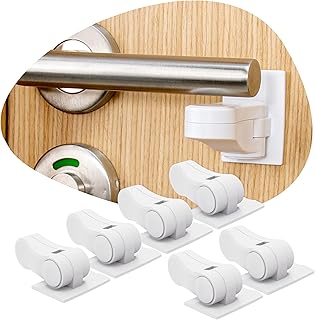


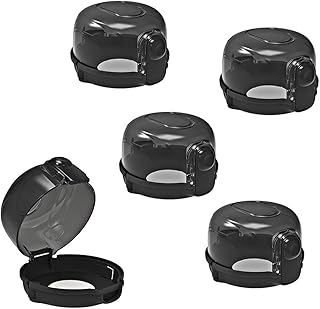
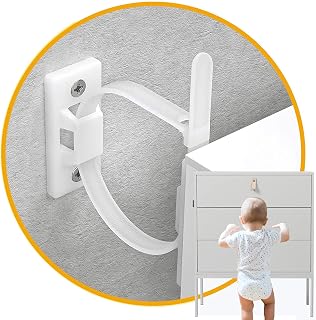


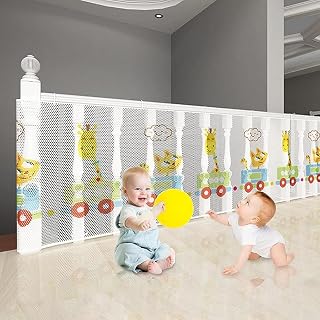


Choosing baby-proofing products is less about buying the largest number of safety accessories and more about identifying the hazards that exist in your particular home. A well-planned setup can address accessible electrical points, drawers and cupboards, doors, windows, sharp furniture edges, stairs and other areas that become increasingly interesting to a crawling or walking child.
For Indian homes, the right combination can vary considerably between an apartment, independent house, rented property, duplex, or home with balconies and multiple levels. Room layout, furniture design, electrical fittings, kitchen access, window configuration and the child's developmental stage should all influence the buying decision.
A value-oriented buying guide should therefore consider more than the lowest purchase price. Durability, ease of installation, compatibility with the surface or fixture, everyday usability, child resistance, adult accessibility and the ability to remove or replace an item are equally important.
Parents do not necessarily need to baby-proof every part of a home on the same day. Prioritising hazards helps concentrate the budget on areas where an accessible safety measure can make the biggest practical difference.
The cheapest product is not automatically the best value. A low-cost latch that does not fit a particular cabinet, an adhesive accessory that repeatedly detaches, or a gate that is unsuitable for the opening can result in wasted money and a false sense of security.
A stronger value assessment considers the total usefulness of the product. For example, a multi-pack can be economical when several identical hazards exist, while a single higher-quality solution may be more sensible when protecting an especially important opening.
Cabinet and drawer locks are among the most practical baby-proofing accessories for homes where children can reach storage areas. Before choosing one, examine how the cabinet opens, where the handle is positioned, how much clearance exists inside the door and whether the chosen mechanism is compatible with the furniture.
Common designs include adhesive-mounted locks, internally positioned latches and strap-style systems. Adhesive installation can be convenient for some surfaces, while screw-mounted solutions may be appropriate where permanent installation is acceptable. For rented accommodation, removable options may be particularly attractive, but the condition of the adhesive and mounting surface should still be considered carefully.
Brands such as R for Rabbit, LuvLap and Babyhug are familiar names in India's baby-care market, but the brand alone should not determine the purchase. Compare the actual locking mechanism, mounting method, dimensions, materials and suitability for the intended cabinet or drawer.
Safety gates require more careful evaluation than many small baby-proofing accessories because their effectiveness depends heavily on correct sizing and installation. Measure the opening rather than estimating its width.
A gate intended for a doorway should not automatically be assumed to be suitable for a staircase. Stair installations can involve additional considerations, and a gate should be selected specifically for its intended location and mounting requirements.
Electrical safety accessories are designed to reduce a child's ability to interact with accessible power outlets. When comparing these products, consider whether the design is compatible with the sockets installed in your home.
Indian homes can contain different socket configurations and electrical fittings, so compatibility matters more than choosing an accessory simply because it has a high rating or attractive packaging. Examine the product specifications and installation requirements carefully before purchase.
Electrical safety accessories should supplement sensible electrical practices. Damaged sockets, exposed wiring, overloaded extensions and unsafe electrical installations require proper attention rather than relying on a child-proofing accessory.
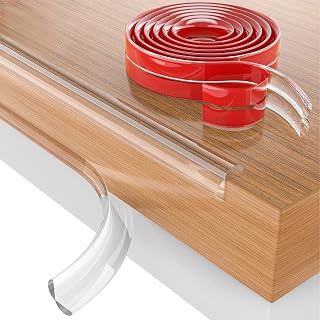
Corner protectors are intended for furniture with accessible hard or sharp edges. They can be particularly relevant around low tables, cabinets, television units and other furniture positioned at a child's head height.
When comparing edge guards, inspect the attachment method, material, shape and coverage. A protector that fits tightly around the relevant corner may be more practical than a generic piece that moves easily. Adhesive-backed models also require a clean, suitable surface and correct preparation according to the manufacturer's instructions.
Corner guards should not be viewed as a substitute for removing unstable furniture or addressing a serious structural hazard.
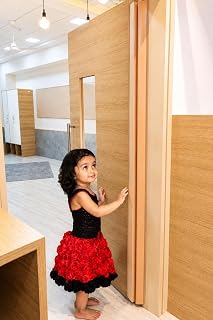
Doors create two separate baby-proofing concerns: access to restricted spaces and the possibility of fingers being caught when a door closes. Door-related accessories should therefore be chosen according to the specific problem being addressed.
A door stopper may limit how far a door closes, while a door lock or handle accessory may restrict access. Compare the installation position, material, compatibility with the door and ease of adult operation.
Windows and balconies deserve special attention in multi-storey homes. A basic child-proofing product should never be assumed to eliminate the need for responsible supervision and appropriate physical barriers.
When evaluating window-related safety equipment, identify the type of window, opening mechanism, frame construction and accessible height. For balconies, consider the entire environment rather than focusing on one accessory. Furniture, stools, boxes and other climbable objects should not be positioned where they provide easy access to a railing.
Materials influence durability, feel, cleaning requirements and installation performance. A particular material is not automatically superior in every application.
Installation method is one of the most important buying considerations. Adhesive-mounted products can be convenient because they usually require fewer tools and may be easier to install in rental homes. However, adhesive performance can depend on the surface, cleanliness, temperature, moisture and installation procedure.
Screw-mounted products can provide a more permanent installation where the underlying structure is appropriate and drilling is acceptable. They may be preferable for certain higher-load or structural applications, but installation must follow the manufacturer's requirements.
Use a consistent comparison process instead of relying only on star ratings or attractive product photographs.
Customer reviews can reveal practical compatibility issues that are not always obvious from product photographs. However, review counts and ratings should not be treated as proof that a product is appropriate for every home.
Look for detailed feedback describing the actual installation environment and use case. Comments about cabinet thickness, adhesive performance, gate dimensions, latch operation, repeated opening and closing, or compatibility with a particular furniture design can be more useful than a short statement saying that the product is "good."
One of the simplest mistakes is ordering a safety gate, barrier or furniture accessory without measuring the installation area. Always measure the relevant width, height, depth or mounting surface first.
Cabinet construction varies. Handle placement, door overlap, drawer design and internal clearance can all affect compatibility. A lock that works well on one cabinet may not work on another.
Adhesive products can be useful, but attachment quality depends on the surface and installation conditions. If an accessory becomes loose, it should be reassessed immediately rather than continuing to rely on it.
Minimalist or visually discreet accessories can be attractive, but appearance should come after compatibility, durability and the hazard being addressed.
Corner guards can soften an edge, but they do not make unstable furniture safe. Tall furniture, televisions and other potentially tip-prone objects should be evaluated separately and secured appropriately where necessary.
As children develop, they gain height, mobility and the ability to climb. A room that appears safe for a crawling baby can present new hazards once the child can stand, reach shelves or climb onto furniture.
Inspect low tables, television units, electrical outlets, cables, drawers and furniture that a child can climb. Keep remote controls, batteries, small decorative objects and other unsuitable items out of reach.
The kitchen often contains multiple hazards in one area, including heat sources, sharp utensils, cleaning products, glassware and accessible drawers. Cabinet and drawer restrictions can be useful, but physical separation from cooking areas is an important part of the overall safety strategy.
Review accessible furniture, drawers, cords, windows and bedside items. As a child grows, reassess whether they can climb onto beds, chairs or other furniture to reach previously inaccessible areas.
Store medicines, cleaning products, cosmetics and other potentially hazardous substances securely. Water-related hazards require active supervision and cannot be solved simply by purchasing a child-proofing accessory.
Keep climbable furniture away from railings and examine the entire balcony for accessible gaps and potential climbing points. If a barrier or safety product is considered, its dimensions and suitability for the specific balcony should be evaluated carefully.
Measure the opening precisely and select a gate specifically intended for the location. Consider whether the installation surface provides suitable mounting points and follow the manufacturer's instructions exactly.
Indian homes can present a mixture of modern fittings and older construction, making compatibility particularly important. Apartments may have compact layouts, balconies and open-plan kitchens, while independent homes can include staircases, terraces and multiple floors.
Older homes may also contain furniture, electrical fittings and doors with dimensions that differ from newer standardized products. Before ordering a safety accessory, compare its specifications with the actual feature in your home rather than assuming compatibility based on product category alone.
Climate and everyday household conditions can also influence maintenance. Products installed in kitchens, bathrooms or humid areas may require more frequent inspection than accessories used in dry indoor spaces.
Families living in rented accommodation often need solutions that balance safety with the ability to remove or replace accessories later. Adhesive-mounted products can sometimes be convenient, but renters should consider whether removal could damage paint, laminate, wood finishes or other surfaces.
Where a safety gate or other barrier is involved, the installation requirements should take priority over convenience. A removable solution is only useful if it is appropriate for the specific opening and installed according to its instructions.
Use this period to inspect the home from floor level. Look for small objects, accessible cords, sockets, low furniture and anything that could become reachable once the baby starts moving independently.
At this stage, accessible drawers, cabinets, electrical points and furniture become increasingly important. Recheck previously baby-proofed rooms because the child's reach and mobility can change rapidly.
Children who can stand and walk can reach higher surfaces and may begin testing doors, handles and barriers. Reassess furniture, windows, kitchen access and climbable objects.
Older toddlers may climb over or around obstacles that previously appeared effective. Continue reviewing whether barriers remain appropriate and address the underlying hazard rather than repeatedly adding accessories.
There is no universal shopping list that suits every family. The right quantity depends on the number of rooms, outlets, cabinets, doors, windows, stairs and other hazards present.
A practical approach is to create a room-by-room inventory. Mark each accessible hazard and identify whether it requires removal, relocation, physical restriction, a protective accessory or a change in household routine.
Before purchasing, walk through the home at the child's approximate eye level and make a list of hazards. Then group purchases by function rather than buying random accessories.
Baby-proofing accessories should be checked periodically. Screws can loosen, adhesives can deteriorate, plastic components can crack, and children can learn how particular mechanisms operate.
For a 2026 buying decision, value should be judged by suitability rather than marketing language. A product earns consideration when its design addresses a genuine household hazard, its dimensions match the intended application, installation is appropriate, and its construction is suitable for repeated everyday use.
For families comparing products available in India, consider the complete specification rather than focusing on the headline price. Compare pack quantity, dimensions, materials, mounting method, intended application and relevant limitations. Then check current retailer information and customer feedback before making a final decision.
Brands such as LuvLap, R for Rabbit, Babyhug, Mee Mee and other established baby-care manufacturers may appear among Indian baby-safety options, but brand familiarity should complement rather than replace product-level evaluation.
When reviewing a shortlist of ten baby-proofing options, use the same criteria for every product. This makes it easier to distinguish genuine value from a low headline price.
The priority depends on the home, but accessible electrical points, stairs, cabinets containing hazardous items, windows, balconies, unstable furniture and other significant hazards generally deserve attention before purely cosmetic protection.
No. Price alone does not establish suitability or quality. A correctly sized, appropriately installed product that addresses the intended hazard can offer better value than a more expensive product that does not fit the application.
Adhesive performance depends on the product, surface, installation procedure and environmental conditions. Follow the manufacturer's instructions and inspect adhesive-mounted products regularly for signs of separation.
Multipacks can be economical when several identical hazards need protection. Compare the quantity with the actual number of locations you need to secure and avoid purchasing excess products simply because the per-unit price appears lower.
No. Gates are intended for particular access-control situations. Determine which openings create a meaningful hazard and choose barriers appropriate for those locations.
Corner guards can reduce exposure to hard or sharp edges, but they do not address every furniture hazard. Unstable or tip-prone furniture needs separate attention.
Inspect them regularly and whenever there is a change in the child's mobility, furniture arrangement or the condition of the product. Any accessory that becomes loose, damaged or ineffective should be reassessed immediately.
No. Baby-proofing is one layer of household safety. It should work alongside appropriate supervision, safe storage, responsible household practices and regular reassessment as the child develops.
Not necessarily. Furniture dimensions, electrical fittings, doors, windows, staircases and construction materials vary considerably. Always check product specifications and compatibility with the actual feature in your home.
Compare the exact function, dimensions, installation method, materials, compatibility, ease of adult operation, durability considerations, quantity and relevant limitations. Customer feedback can then provide additional practical context.
The strongest value approach is to identify hazards first and shop second. Instead of filling a basket with every available baby-proofing accessory, create a room-by-room safety assessment and select products that directly address the risks present in your home.
For each shortlisted product, verify dimensions, installation requirements, materials, compatibility and intended use. Read detailed customer feedback, compare specifications across alternatives and check current information from trusted retailers before purchasing. Reassess the setup as your child becomes more mobile, taller and more capable of opening, climbing or reaching around barriers.
A thoughtful baby-proofing strategy combines appropriate products with sensible home organisation and ongoing inspection. That approach is more useful than choosing products based solely on price, ratings or brand recognition and helps families spend their baby-safety budget where it can provide the most practical benefit.